
Now Reading: Urooj Mumtaz Blames Babar Azam for Pakistan’s Pace Bowling Decline
-
01
Urooj Mumtaz Blames Babar Azam for Pakistan’s Pace Bowling Decline

Urooj Mumtaz Blames Babar Azam for Pakistan’s Pace Bowling Decline

Pakistan’s Fast Bowling Legacy at a Crossroads
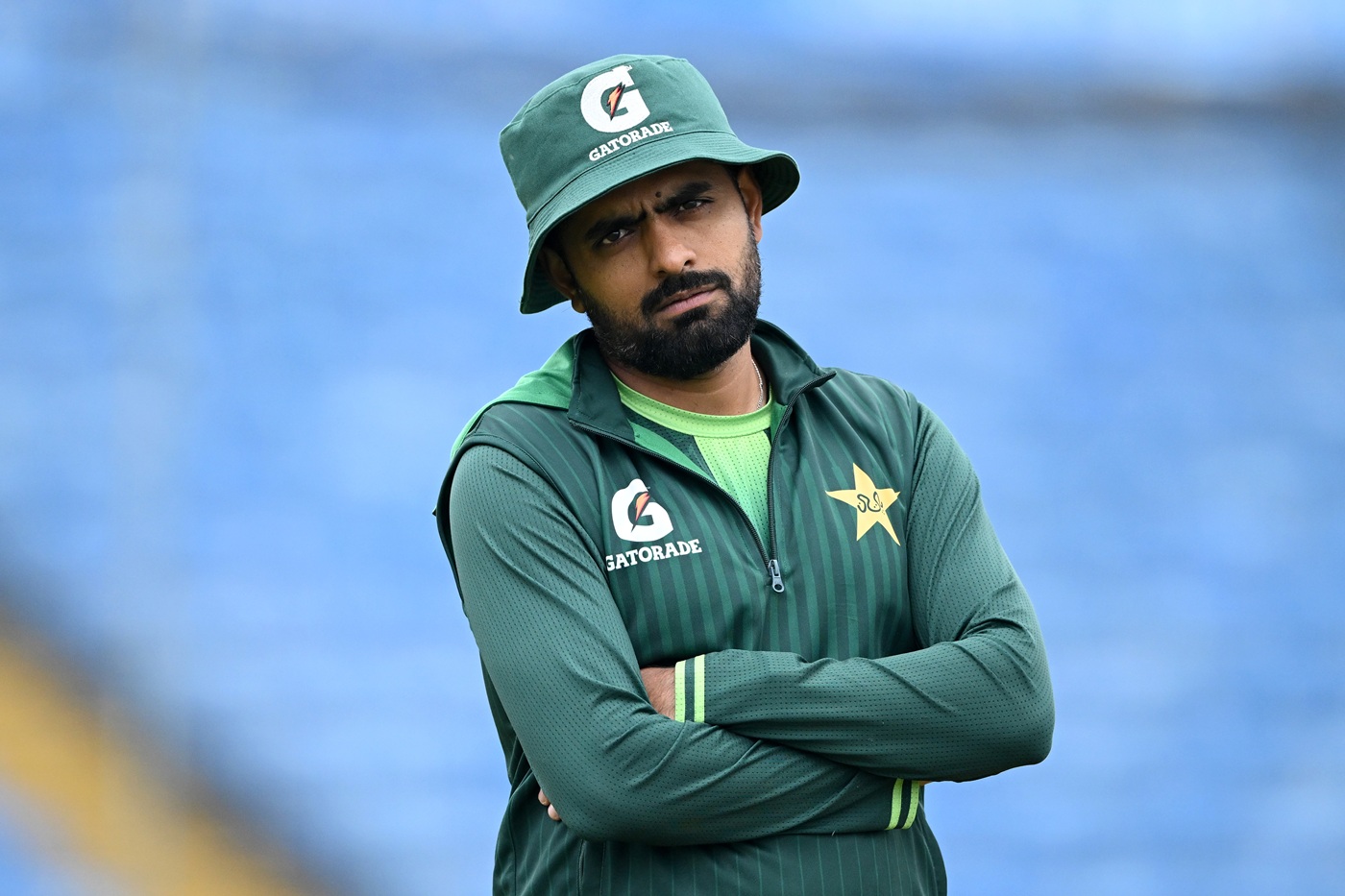
Pakistan cricket has long been known for its exceptional fast bowlers who could wreak havoc on any batting line-up. However, former women’s team cricketer Urooj Mumtaz recently shared her insights on the alarming downturn in the nation’s pace bowling strength, and she lays much of the blame on the current men’s Test captain, Babar Azam.
Domestic Preparations: A Distant Memory
Mumtaz emphasized that the Pakistan Cricket Board (PCB) has shifted its focus towards catering to batsmen at the expense of fast bowlers.
“There’s obviously a problem with the pitches that we prepare, back home… You were almost putting the fast bowlers up against the wall,” Mumtaz stated, reflecting on how the pitches are now geared to favor batters. This sentiment resounded with many fans who recall the era when bowlers who could swing and generate pace dominated the game.
Changing Strategies Under Babar Azam
Urooj highlighted that during Babar’s captaincy, there was a clear push for flat pitches to allow for easier batting. Mumtaz noted, “Especially when Babar was captain, he wanted flatter tracks.” This strategy seems to have backfired, with Pakistan’s current Test series performance suffering.
Current Test Series Struggles
The Men in Green are currently facing England in a three-match Test series, where their struggles became evident as they were bowled out for just 171 runs in their first innings at Headingley. The England pacers, Ollie Robinson and Josh Tongue, showcased their skills by each taking five wickets, further demonstrating the disparity between the two nations’ fast bowling prowess.
To give context, in stark contrast to Pakistan’s efforts, the English batters appeared comfortable, capitalizing on the very tracks that Pakistan had found challenging. This leads to the question: has the focus on creating favorable conditions for batters inadvertently weakened the pace attack?
A History of Fast Bowling Excellence
Historically, Pakistan has been renowned for its fast bowling greats, with players like Wasim Akram and Shoaib Akhtar paving the way for younger generations. Currently, players like Shaheen Afridi and Naseem Shah do represent a flicker of hope for the revival of Pakistan’s fast bowling glory; however, frequent injuries have hindered their progress. Mumtaz noted, “After the injury, he fell off,” speaking on Afridi’s setbacks.
Reflecting on the Future
The decline raises concerns about the future of fast bowling in Pakistan. The grass-cutting and pitch-preparation practices that were tailored to meet Babar’s demands have seemingly come back to haunt the team. It positions them at a crossroads where they must balance the needs of batsmen versus bowlers in domestic cricket.
As the series against England progresses, the cricketing world watches closely. The pivotal question Mumtaz poses is one that resonates: how can Pakistan return to its roots and cultivate the swift bowlers that once defined its international cricket stature?