


Former Pakistan leg-spinner Mushtaq Ahmed has said he would not hesitate to coach the national side in principle, but he is deeply uneasy about the instability surrounding the Pakistan Cricket Board (PCB). His comments have sparked a fresh debate about whether Pakistan can attract experienced cricket minds without first creating a more secure and professional environment.
Honour, but with hesitation
Speaking on the BBC Stumped podcast, Mushtaq made it clear that serving his country in a coaching role would be a privilege. “It will definitely be an honor for me to do that for my country. Especially now,” he said, acknowledging both the responsibility and the appeal of the position.
Yet that willingness came with a serious warning. Mushtaq said the fear of being dismissed quickly, or on emotional impulses, makes such a role difficult to accept. “Sometimes you get scared of working for your own country when the people don’t respect you,” he said, pointing to the insecurity that has often surrounded coaching and management decisions in Pakistan cricket.
Mid-tour changes trigger concern
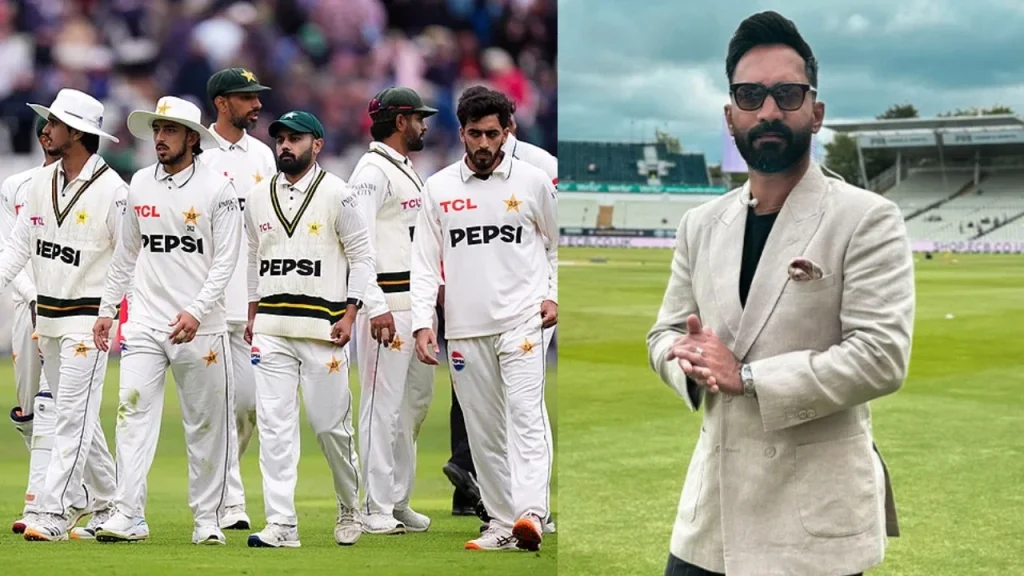
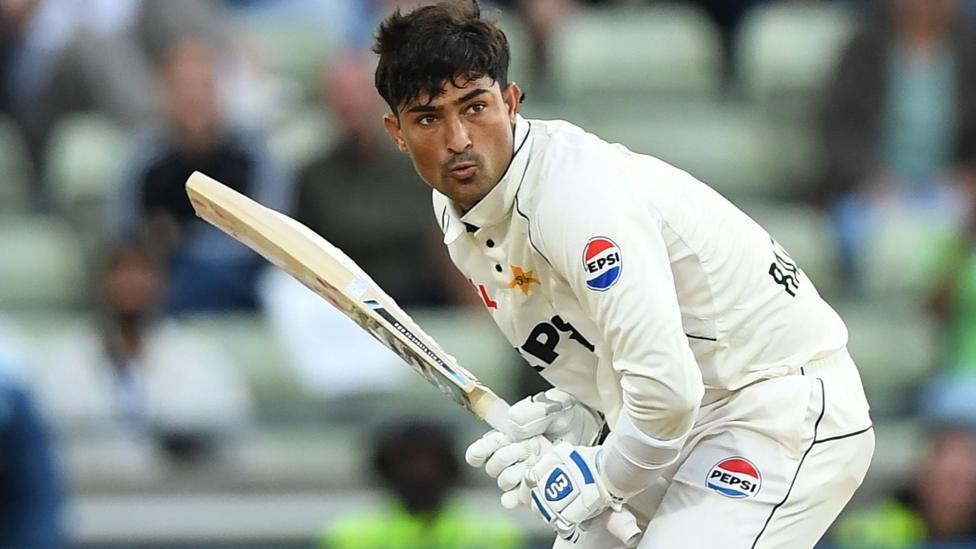
His unease was sharpened by the PCB’s recent handling of the England tour. After Pakistan suffered heavy defeats in the first two Tests, the board sent back seven players before the third and final match of the series. Five replacement players, all of whom had never played a Test before, were added to the squad.
At the same time, head coach Sarfaraz Ahmed and assistant Umar Gul were removed from their roles. In their place, the PCB appointed Mike Hesson and Ashley Noffke for the final Test, a move Mushtaq strongly criticised as excessive and disruptive.
“This is the time to stay calm”
Mushtaq argued that sweeping changes while a tour was still in progress were not the right response to poor results. “Changing seven players and the management, especially with the tour still going on, I feel that this is not the right thing,” he said.
He added that the situation called for patience rather than panic. “This is the time to stay calm, don’t make rash decisions,” Mushtaq remarked. His message was clear: short-term frustration should not dictate long-term cricket strategy.
Those comments reflect a broader frustration among former Pakistan players, many of whom believe the team has too often reacted to losses with sudden personnel changes rather than a structured plan. The concern is not only about selection, but also about whether the environment allows coaches to build something lasting.
Call for experienced voices in decision-making
Beyond the immediate coaching issue, Mushtaq also urged the PCB to rely more heavily on former cricketers when making important calls. He suggested creating a panel of ex-players and former captains who understand the pressures of international cricket and can guide the board through difficult moments.
His argument was rooted in cricketing logic rather than emotion. Decisions taken under pressure, he implied, can easily become reactionary if they are not informed by people who have lived through similar challenges. “Because if you don’t bring in the right people for the right job, you’re going to get these things,” he said.
A former Pakistan cricketer familiar with the national setup put it bluntly: “When a team keeps changing direction in the middle of a tour, players stop knowing what the plan is. Stability becomes the first casualty.”
Why Mushtaq’s warning matters
Mushtaq’s hesitation may be more than a personal remark. It is an early warning signal for the PCB, which continues to face criticism over inconsistent planning and reactive decision-making. Pakistan certainly needs improvement after a difficult run, but constant changes to both squad and coaching staff can create insecurity rather than solutions.
For a country with deep cricketing talent and huge expectations, the challenge is no longer just about finding the right coach. It is about building an environment where the right coach can actually work.
Pakistan’s bigger test is stability
The issue raised by Mushtaq goes beyond one appointment. If Pakistan wants experienced former players to step into leadership roles, the board must show that it can support them through bad results, not only celebrate them after good ones.
That may be the real takeaway from Mushtaq Ahmed’s remarks. He remains open to coaching Pakistan, but only if the job comes with trust, planning and respect. Without that, even the most capable candidates may think twice before taking the role.
For Pakistan cricket, the lesson is straightforward: talent alone is not enough. Stability, accountability and calm decision-making may be just as important as the next selection call.