


Pakistan’s Test camp has been thrown into fresh debate after captain Babar Azam revealed he was not consulted on the side’s dramatic mid-series overhaul following the heavy defeat at Lord’s. His response, simple but striking, immediately shifted attention away from the selection call itself and onto a bigger question: how much control does a Pakistan captain really have?
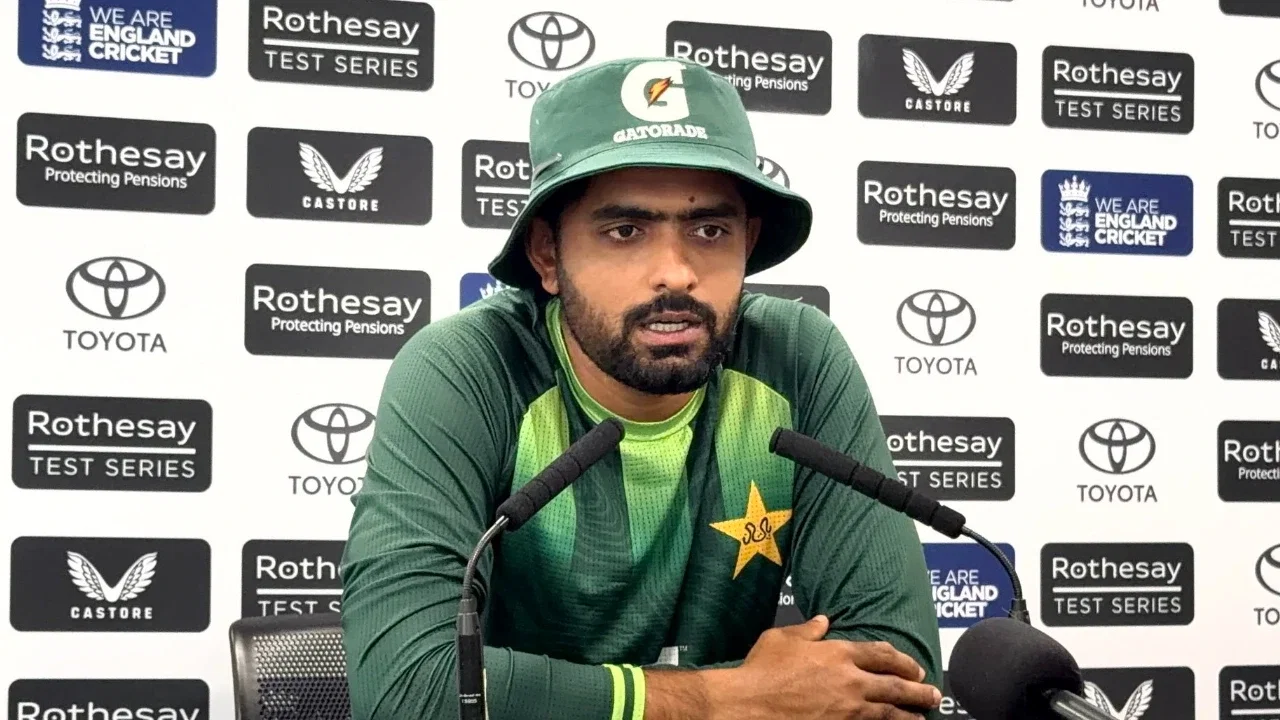
Speaking on the eve of the third Test against England at Edgbaston, Babar admitted the sweeping changes were “news to me,” confirming he only learned of the decision after the Pakistan Cricket Board’s official announcement. For a team already under pressure after losing the series, the admission has added another layer of uncertainty around the leadership structure.
A shock overhaul after Lord’s
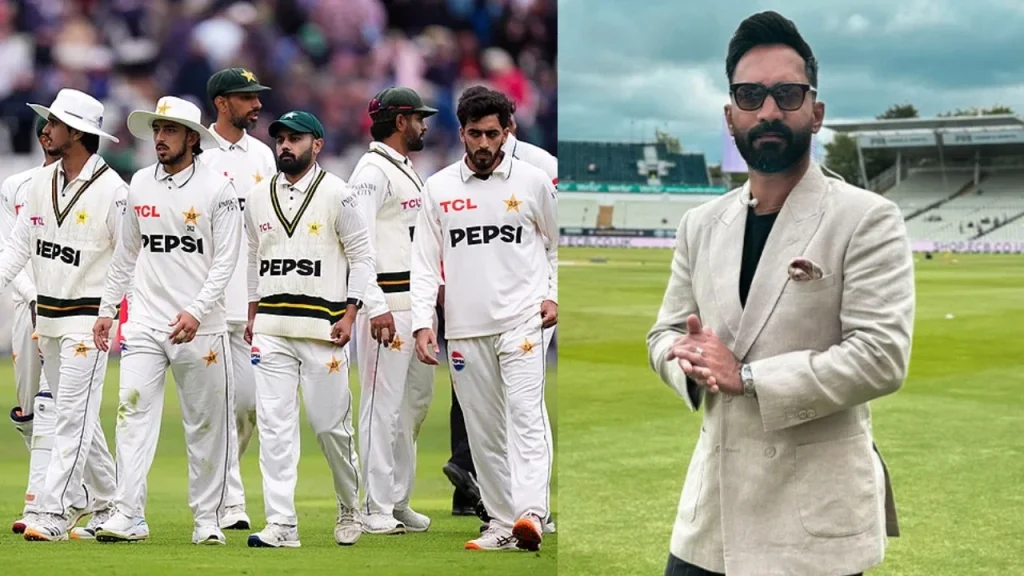
The changes were extensive. Pakistan dropped seven players from the squad after their 194-run loss at Lord’s, a result that sealed the series with one match remaining. Along with the players, head coach Sarfaraz Ahmed and bowling coach Umar Gul were also released, signalling a major reset by the board.
The scale of the reshuffle makes Babar’s revelation especially notable. Rather than a routine adjustment, this was a wholesale intervention by the PCB and chairman Mohsin Naqvi, apparently carried out without the captain being brought into the loop. In a format where captains often play a central role in strategy and selection discussion, the move has raised eyebrows across the cricket world.
What Babar said
“It was news to me. I found out after. The PCB decided it, so they’ll be able to explain better,” Babar said. He added that the board’s decision “must have been taken after some thought process” and suggested questions on the rationale should be directed to the PCB.
That measured answer did little to quiet the discussion. Instead, it sharpened it. When a captain openly says he was not involved in one of the biggest squad decisions of the tour, it naturally leads to scrutiny over communication, authority, and trust within the setup.
“It was news to me. I found out after.”
That single line may define the story more than any scorecard. It suggests a disconnect between the field leadership and the administrative command structure at a moment when Pakistan needed clarity most.
Why the timing matters
The timing of the decision is what makes it even more dramatic. Pakistan had already lost the first two Tests of the England tour and were heading into Edgbaston with the series gone. In that context, a sweeping reset can be interpreted as either a bold attempt to jolt the team into life or a sign of deeper instability.
Pakistan’s response will now be judged not only by performance, but by whether this new-look side shows cohesion. Babar, who missed the first Test at Headingley because of a hand injury and then managed scores of 8 and 6 at Lord’s, is carrying added responsibility as he leads a heavily altered squad into the final match.
What changed in the squad
The list of removals included Mohammad Rizwan, Salman Ali Agha, Imam-ul-Haq, Ali Usman, Khurram Shahzad, Aamir Jamal and Muhammad Awais Zafar. They were replaced by a group including Saim Ayub, Abdullah Fazal, Razaullah Khan, Mohammad Imran, Arafat Minhas, Saad Baig and Mohammad Imran Junior.
That kind of turnover is rare in the middle of a Test series, especially without a clear public explanation from the captain. It also means the playing XI for Birmingham could look very different from the side that began the tour, with selection now a headline issue in its own right.
| Key change | Details |
|---|---|
| Players removed | 7 |
| Coaches released | 2 |
| Lord’s defeat margin | 194 runs |
| Series position | Pakistan lost the series 0-2 |
Leadership questions grow for Pakistan
The bigger story now is not simply who plays at Edgbaston, but what role Babar actually holds in major team decisions. Captains are often expected to be the on-field voice of a side, shaping tactics and offering input on personnel. If that influence is limited or symbolic, it changes the way Pakistan’s leadership model is viewed.
That is why this episode has landed so hard. Pakistan are not just trying to avoid a whitewash against England; they are trying to prove that the team can function amid turbulence. In that sense, the third Test becomes more than a dead rubber. It is a test of structure, accountability and response.
A senior Pakistan cricket figure close to the tour summed up the broader concern in blunt terms: “When changes are this big, the captain usually knows beforehand. If he doesn’t, people will ask why.”
What to watch at Edgbaston
All eyes now turn to how Pakistan respond on the field. Babar’s body language, the cohesion of the fresh squad, and the team’s reaction to the off-field noise will all be under the microscope. England, meanwhile, will sense an opportunity to complete a clean sweep and extend the pressure on their opponents.
For Pakistan, the immediate challenge is to move past the controversy and focus on cricket. But the ripple effects of this selection storm may last well beyond Birmingham, especially if the new structure produces another disappointing result.
The next few days will reveal whether the PCB’s drastic call sparks a turnaround or deepens the questions around Pakistan’s Test direction. Either way, Babar Azam’s surprised reaction has ensured the discussion is no longer just about team balance — it is about authority, trust and the future of Pakistan’s leadership.