
Now Reading: Jason Gillespie Blasts Aaqib Javed Over Pakistan Exit
-
01
Jason Gillespie Blasts Aaqib Javed Over Pakistan Exit


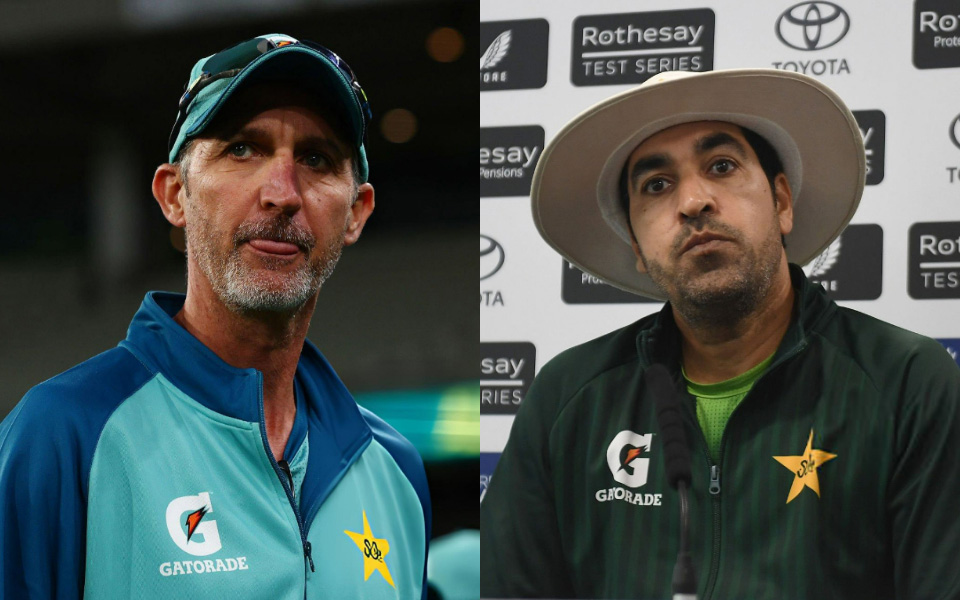
Jason Gillespie has lifted the lid on his exit from Pakistan cricket, and the former Australia fast bowler has delivered a blunt and personal verdict on what went wrong. In a revealing account, Gillespie claims Aaqib Javed’s rise inside the Pakistan setup stripped him of authority, left him isolated, and ultimately pushed him away from coaching altogether.
A fractured setup exposed
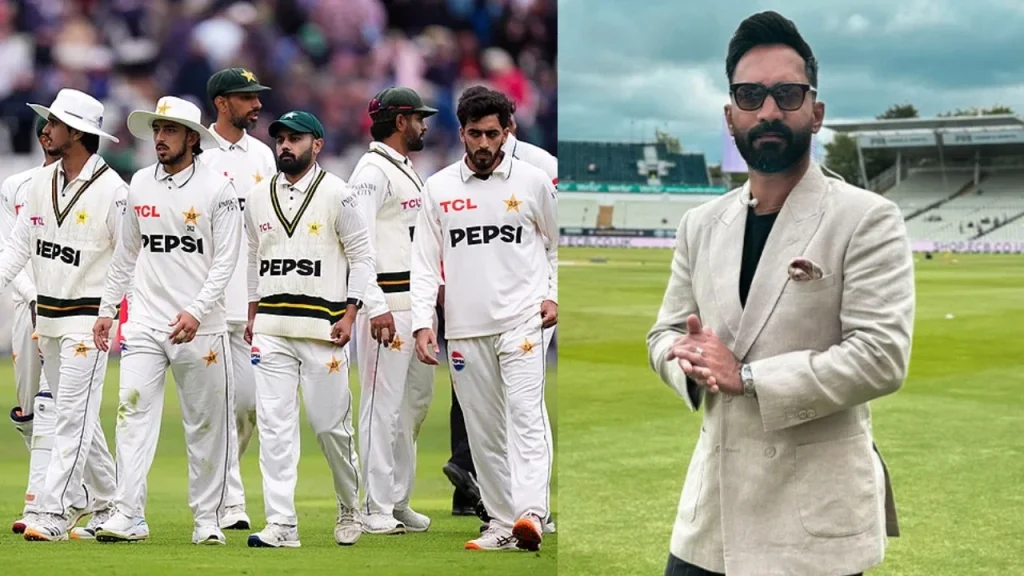
Pakistan cricket is once again under the spotlight after another period of disruption, and Gillespie’s remarks add a powerful insider perspective to the chaos. His comments arrive as the PCB faces criticism for a series of sweeping decisions during the England tour, including the removal of seven players, coach Sarfaraz Ahmed and bowling coach Umar Gul after the team fell 0-2 behind in the three-Test series.
That turmoil set the stage for Gillespie to speak out. His account suggests the problems were not just about results, but about power, control and a lack of trust inside the system.
“It affected me mentally”
What makes Gillespie’s story stand out is how openly he speaks about the personal impact. He said the experience left him “deflated” and made him question whether he wanted to stay in cricket at all.
“The whole experience just deflated me and put me off coaching. It affected me mentally, doubting myself and left me thinking whether I still wanted to be involved in the sport,” Gillespie revealed.
Those are not the words of someone simply frustrated by selection calls. They point to a deeper breakdown in trust, authority and respect, with Gillespie repeatedly saying he felt undermined from the moment Javed became more influential.
How the balance of power shifted
According to Gillespie, the turning point came in October 2024, when Aaqib Javed joined the selection committee. Before that, Gillespie says he had a defined role overseeing the Test side, managing players and staff, and contributing to selection. After Javed’s arrival, that role evaporated.
“From that moment, my relationship with Pakistan cricket completely changed,” Gillespie said. “Aaqib came in and took over. It appeared to me that he was in charge of absolutely everything.”
He added that he went from having meaningful responsibility to having “absolutely no role in anything,” a dramatic change that he says made collaboration impossible.
First meeting set the tone
Gillespie also described his first meeting with Javed as a sign of things to come. He said Javed arrived with “bravado, bluff, and bluster,” presenting decisions rather than seeking discussion.
“I felt from that moment on that it wasn’t going to work because he’d already decided what he was going to do,” Gillespie said. “There was going to be no collaboration whatsoever.”
That assessment is particularly damaging because it suggests the issue was structural, not just personal. In Gillespie’s view, the coaching role existed in name, but the real power sat elsewhere.
Board backing and a sense of being untouchable
One of Gillespie’s sharpest criticisms centres on the PCB leadership. He argued that Javed’s close relationship with the chairman and board gave him the confidence to operate without accountability.
“Aaqib had the support of the chairman and the board and that’s why he felt he was untouchable,” Gillespie said. “As a coach, you feel compromised.”
He went further, saying Javed was not open to other ideas and was effectively running the process on his own terms. In Gillespie’s words, it became “his way or the highway.”
That point goes beyond one appointment. It speaks to a wider pattern Pakistan cricket has struggled with for years: board influence seeping into team matters, and coaches being asked to deliver results without the authority needed to shape the team.
The wider Pakistan cricket problem
Gillespie’s criticism arrives at a moment when Pakistan cricket is already dealing with questions over discipline, selection and governance. Reports that players’ phones were confiscated during the England tour only added to the sense of disorder surrounding the side.
For Gillespie, the solution is not another short-term fix or another round of personnel changes. He says Pakistan need to appoint the right coach, give him time, and allow him to pick the captain and build the team without interference.
“You get chairman and people at the board sitting at desks picking the captain, it’s nonsense,” he said. “Get the right coach in, allow him time to let the dust settle, and then allow him to pick the captain and go from there and rebuild Pakistan cricket.”
That message will resonate with many observers who have watched Pakistan cycle through similar crises for years. The names change, but the structure often appears to stay the same.
What Gillespie’s exit really says
Gillespie’s comments matter because they come from someone with little obvious reason to keep quiet. He is not merely recycling outside criticism; he is describing what he says he lived through.
His verdict is severe, but it also raises a broader governance question: can any coach succeed in Pakistan cricket without genuine authority? Gillespie clearly doubts it. And until the board steps back and empowers the right people, he believes the cycle of confusion will continue.
“It’s heartbreaking for me to see what’s going on now, it’s a mess,” Gillespie said. “He is the problem and as long as he is there, then Pakistan cricket will continue to go backwards.”
Whether Pakistan cricket takes that warning seriously remains to be seen. But Gillespie’s exit has now become more than a coaching story. It is another reminder of how fragile the balance of power can be when structure, politics and selection collide.