


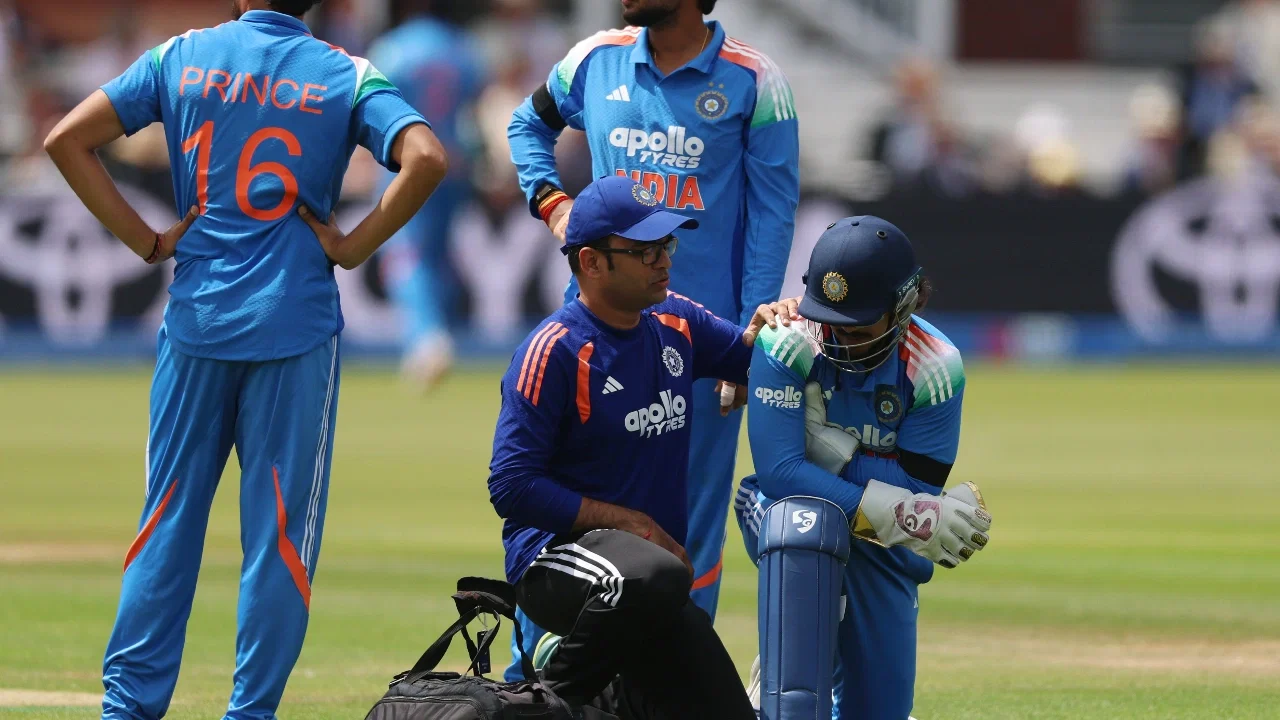
The BCCI has ended the contract of Team India’s head physiotherapist Kamlesh Jain, bringing a notable support-staff change at a time when injury management has become a major talking point. Jain is currently serving a notice period, and the board is expected to move quickly to name a replacement.
The decision comes against the backdrop of recurring fitness concerns within the Indian squad, with the issue becoming especially visible during the recent Sri Lanka tour and the lead-up to it. India still managed to win the two-Test series 1-0, but the conversation around player availability and physical readiness remained loud throughout.
Why the decision mattered now
According to reports, Jain’s position had been under scrutiny after repeated player breakdowns and a perceived drop in overall fitness standards. The concerns were not limited to one series. India’s tour of England before the Sri Lanka assignment had already seen regular chatter around cramps, niggles and workload management.
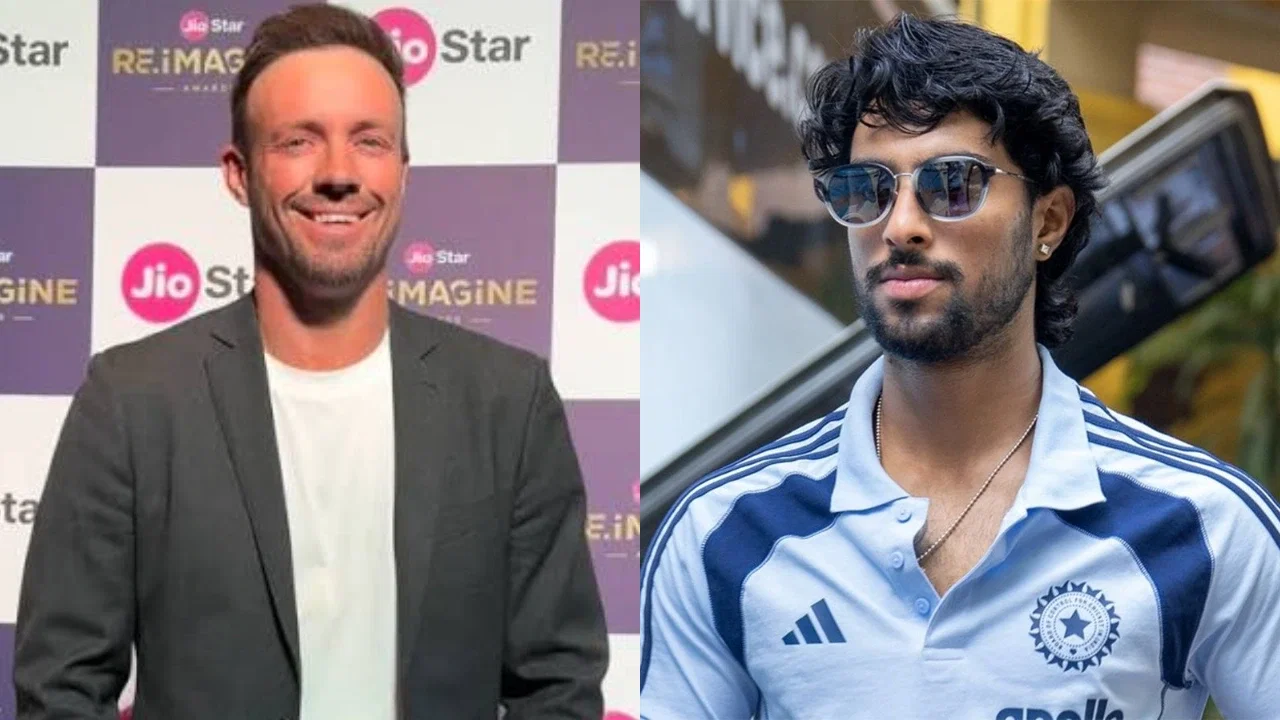
Several key players were unavailable or carrying fitness concerns before the Sri Lanka Tests. Nitish Kumar Reddy was ruled out with a left quadriceps injury, Harshit Rana was still working back from a lengthy lay-off, Jasprit Bumrah’s fitness remained a major concern, and Sai Sudharsan along with Washington Sundar also dealt with fitness issues before the series began.
Injuries kept shaping selection calls
That list of absentees and fitness doubts meant India had to keep adjusting plans rather than settling on a stable XI. In elite cricket, support staff decisions often reflect bigger concerns beyond one tour, and this move suggests the board wants a fresh approach to player conditioning.
A BCCI source was not quoted publicly, but the timing of the decision indicates that India’s support structure is being reassessed after a demanding run of fixtures. As one cricketing observer put it, “When fitness issues keep repeating, the backroom staff inevitably comes under pressure.”
What happened during the Sri Lanka series
India won the two-Test series 1-0, but the result did not come without tension. In the second Test, India enforced the follow-on, only for Sri Lanka to stage a stubborn final-day fightback and force a draw. Sonal Dinusha struck his second century of the match to rescue the hosts and ensure the game ended without a result.
The series outcome also had implications in the World Test Championship race, with India left fifth in the standings after the tour. Even though the scoreline favoured India, the overall picture was less comfortable because of the fitness questions surrounding the squad.
| Series | Result | Notable issue |
|---|---|---|
| India vs Sri Lanka Tests | 1-0 to India | Recurring fitness concerns |
| Second Test | Draw | Sri Lanka fightback after follow-on |
| WTC standing | 5th | India slipped in the race |
Jain’s background with Indian cricket
Jain was appointed as Team India’s head physiotherapist in June 2022, joining the squad ahead of the India versus South Africa T20I series. He replaced Nitin Patel, who had handled the role before moving to the Centre of Excellence in Bengaluru. Patel has since left the CoE to join Mumbai Indians.
Before his national-team job, Jain built a long medical and support-staff resume in domestic and IPL cricket. He spent 10 years with Kolkata Knight Riders, joining as assistant physiotherapist in the 2012 IPL season before rising to head physiotherapist in July 2019. He also served as head physio at the Cricket Association of Bengal for six seasons from 2011 to 2016, working with Bengal’s senior Ranji team.
What comes next for India’s support staff
With Jain serving out his notice period, the BCCI is now expected to identify a replacement in the near future. The next appointment will likely be closely watched, especially if the board wants to tighten fitness monitoring, recovery routines and injury prevention ahead of a packed international calendar.
The move is not just about one individual. It also reflects the growing pressure on modern cricket teams to maintain player availability across formats, tours and franchise commitments. For India, the challenge will be to translate this change into better fitness outcomes on the field.
Jain’s exit closes a two-year-plus chapter in the national setup, but the larger question remains unchanged: can India build a more reliable fitness culture before the next major assignment? The answer will depend on both staffing decisions and how effectively the new system works in practice.