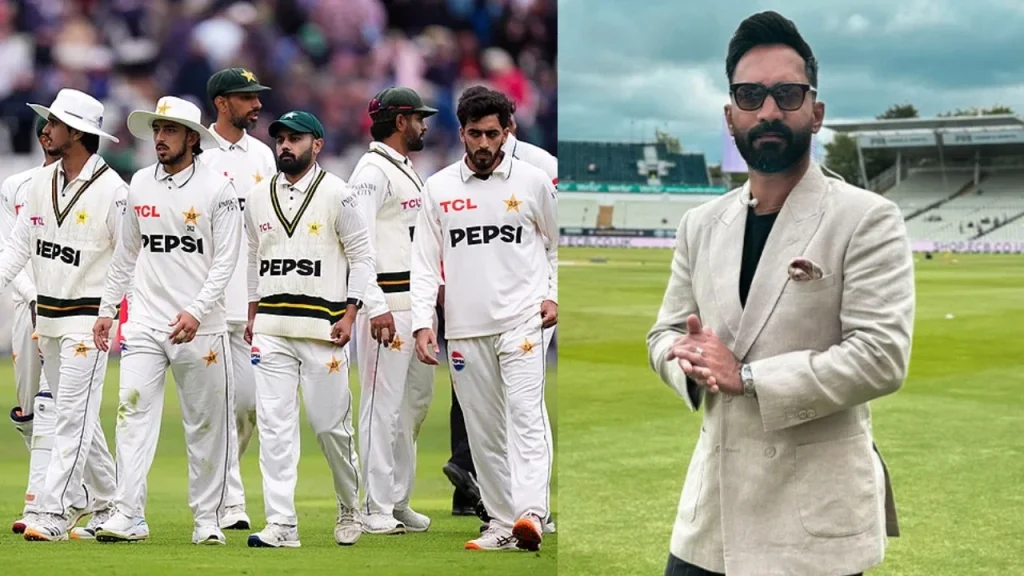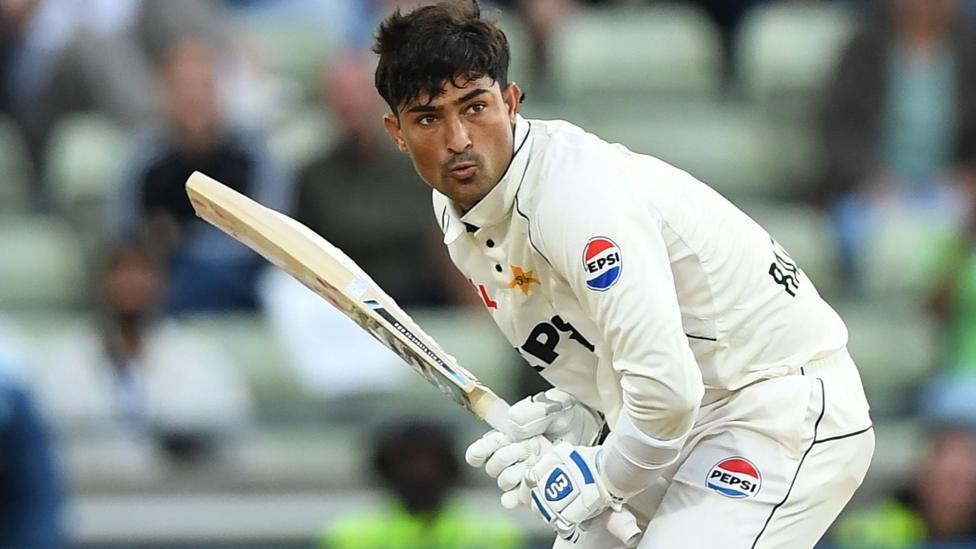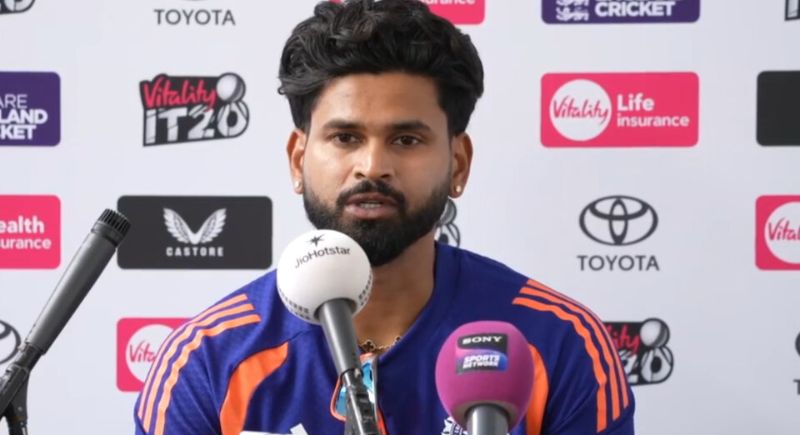



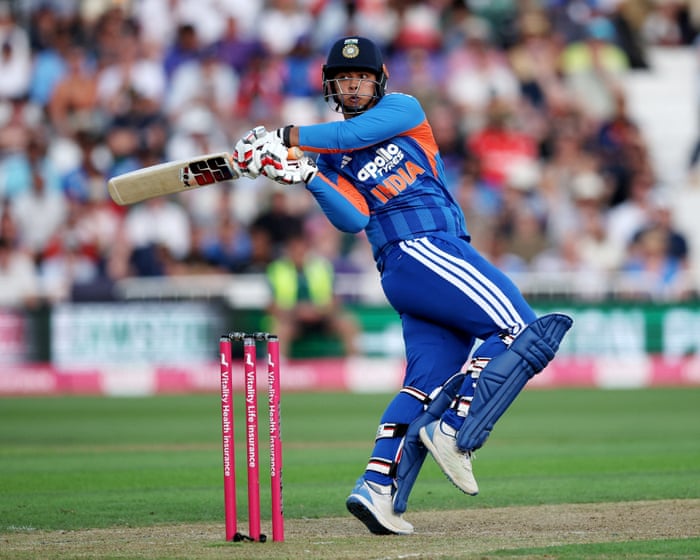
Wasim Akram has sparked a fresh debate around Pakistan cricket’s development system, taking aim at the Pakistan Super League’s batting output and pointing to Indian teenager Vaibhav Sooryavanshi as the kind of talent franchise cricket should help uncover. In a candid interview, Akram argued that the PSL has produced pace bowlers, but not enough batters who can truly change the game.
Akram’s blunt verdict on PSL batting
Akram did not soften his message. Drawing on his experience with both the IPL and PSL, he suggested that the Pakistan Super League has had a solid run when it comes to fast bowling, but has fallen short in producing standout batting talent over the last decade.
“It has been 10 years since the PSL started, but has a single batter been produced by the PSL? Yes we have produced a few bowlers but tell me have we produced any noteworthy batting talent,” Akram said during an interview with YouTuber Furqan Bhatti.
The former Pakistan captain’s comments land at a sensitive moment for the country’s cricket ecosystem. Pakistan have long been associated with world-class pace bowling, but Akram’s criticism suggests that the batting pipeline still needs serious work if the PSL is to become a stronger talent factory.
Why Vaibhav Sooryavanshi became the reference point
Akram used 15-year-old Vaibhav Sooryavanshi as an example of what a healthy domestic pathway can produce. The Rajasthan Royals youngster has become one of the most talked-about names in Indian cricket because of his age, his rise through age-group cricket, and the confidence he has shown on a big stage.
Akram’s point was not simply about one player. It was about the system that helps a player like Sooryavanshi move from age-group cricket to a professional platform where talent can be identified early and nurtured properly.
“I think when we produce a batting talent like the 14-year-old (Sooryavanshi, 15) then we will see improvement coming through,” Akram said, making it clear that he sees the issue as structural rather than cosmetic.
The grassroots problem behind the league
Akram argued that franchise leagues can only showcase what the grassroots ecosystem supplies. In his view, the IPL’s ability to keep discovering young players is not an accident, but the result of a deep domestic structure that feeds into the tournament.
Pakistan, he suggested, does not currently have the same level of club cricket support at the base of the pyramid. Without that foundation, the PSL ends up recycling known names instead of uncovering fresh batting talent ready for the next level.
He pushed the Pakistan Cricket Board to invest heavily in the cities that have historically produced cricketing talent. Karachi and Lahore, he said, should be central to any rebuild of the system.
Akram’s proposed fix
“Club cricket needs to be revived if we want improvement in red ball cricket,” Akram said. “The PCB should spend 100 million rupees each in Karachi and Lahore, as talent comes from club cricket.”
That idea reflects a wider concern in Pakistan cricket: strong international names are still emerging, but the steady production line of technically sound batters has not kept pace with the country’s ambitions. Akram’s suggestion is blunt, but it is also practical.
Karachi and Lahore have long been recognised as major cricket nurseries. Akram’s argument is that if those hubs are given proper funding, structure and competitive club setups, the PSL will eventually benefit from a stronger pool of batters and all-rounders.
| Key point | Detail |
|---|---|
| PSL age | 10 years |
| PCB investment suggested | 100 million rupees each in Karachi and Lahore |
| Sooryavanshi’s age | 15 |
| Akram’s core criticism | PSL has produced bowlers, but few notable batters |
Why the timing matters for Pakistan cricket
Akram’s comments arrive as Pakistan cricket continues to search for stability and long-term direction. The national side is facing scrutiny after a difficult Test series in England, and the conversation around talent development has only grown louder.
In that context, Akram’s remarks are more than a critique of the PSL. They are an indictment of a system that, in his view, has not done enough to identify and polish batting talent before it reaches the biggest stages.
A former Pakistan international who has worked with Kolkata Knight Riders, Islamabad United, Multan Sultans and Karachi Kings, Akram speaks from experience in both franchise systems. That makes his comparison especially pointed, because it is rooted in what he has seen from the inside.
A wider lesson for franchise cricket
The broader takeaway from Akram’s comments is simple: leagues cannot create a talent pipeline on their own. They depend on schools, clubs, age-group cricket and local competitions that uncover players before the cameras and contracts arrive.
Sooryavanshi, in that sense, is not just a promising teenager. He is evidence that a functioning pathway can still produce rare young batters who grab attention quickly and force the cricket world to pay attention.
Akram’s message to Pakistan cricket is direct. If the goal is to build a better PSL and a stronger national team, the work has to begin long before the auctions, the drafts and the floodlights.
As he sees it, the league is only as strong as the system feeding it. And right now, Pakistan’s batting pipeline is the part that needs the most repair.