


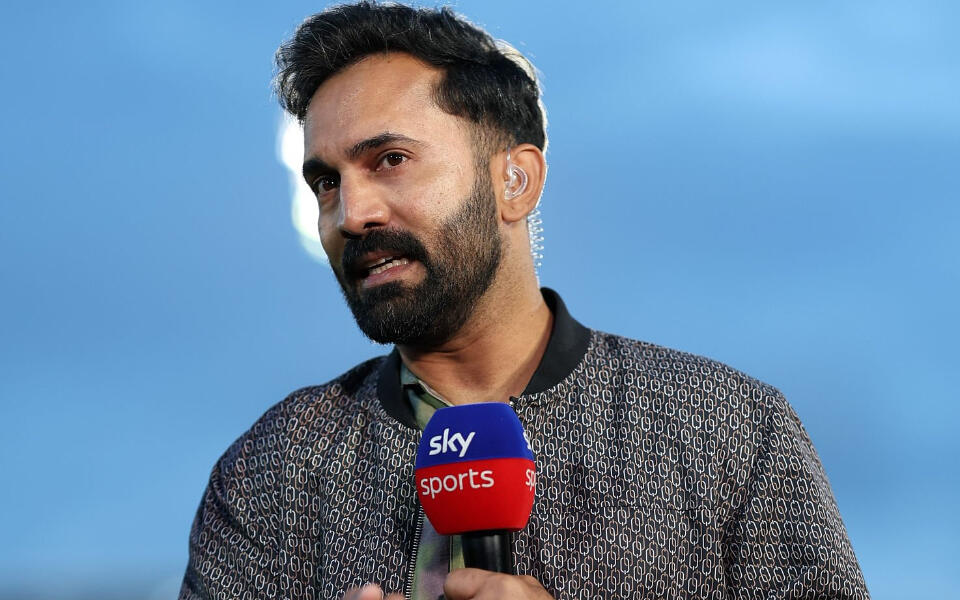
Dinesh Karthik has delivered a sharp verdict on Pakistan’s Test side after their humiliating 0-3 series defeat in England, calling the team “very ordinary” and questioning whether the current setup is built to compete at the highest level. His comments add to the growing scrutiny around Pakistan’s selection, captaincy and coaching decisions after another costly tour.
Pakistan’s England tour draws harsh criticism
Pakistan’s three-Test loss in England was not just a defeat on the scoreboard. It also triggered a wider debate about the team’s direction, with former players and analysts pointing to a lack of fight, structure and consistency across the series. Karthik, who was on commentary duties during the tour, did not hide his disappointment.
According to him, the first two Tests were especially alarming because Pakistan failed to bat for 90 overs across their two innings in either match. On challenging English surfaces, that shortcoming stood out even more.
“It wasn’t easy, but it definitely wasn’t a pitch where you could not play 90 overs across both innings,” Karthik said in a video on social media. “I don’t think that’s good enough.”
“Very ordinary” and “not good enough”
Karthik’s strongest criticism came when he assessed the overall quality of the side. He argued that Pakistan were not merely unlucky or outplayed in isolated moments, but looked far below the standard expected of a Test team.
“This Pakistan team is very ordinary,” he said. “In the first two Test matches, they didn’t even play 90 overs across two innings.”
That assessment cuts to the heart of Pakistan’s red-ball problems. In Test cricket, the ability to survive difficult passages is often what separates competitive teams from those that collapse under pressure. In Karthik’s view, Pakistan fell well short of that benchmark.
Selection and changes under the scanner
Beyond the on-field performance, Karthik also questioned the constant chopping and changing around the squad. Pakistan made seven changes after the second Test and also altered their support staff, including the dismissal of head coach Sarfaraz Ahmed and bowling coach Umar Gul after falling 2-0 behind in the series.
For Karthik, the instability only deepened the crisis. He suggested that a team cannot build confidence or rhythm when the structure around it keeps shifting so frequently.
He also echoed the criticism made by Nasser Hussain, saying Pakistan’s approach was a “disservice to Test cricket.” That remark reflects how seriously the series loss has been viewed by observers who expect traditional red-ball values such as patience, discipline and resilience.
Why was Razaullah overlooked?
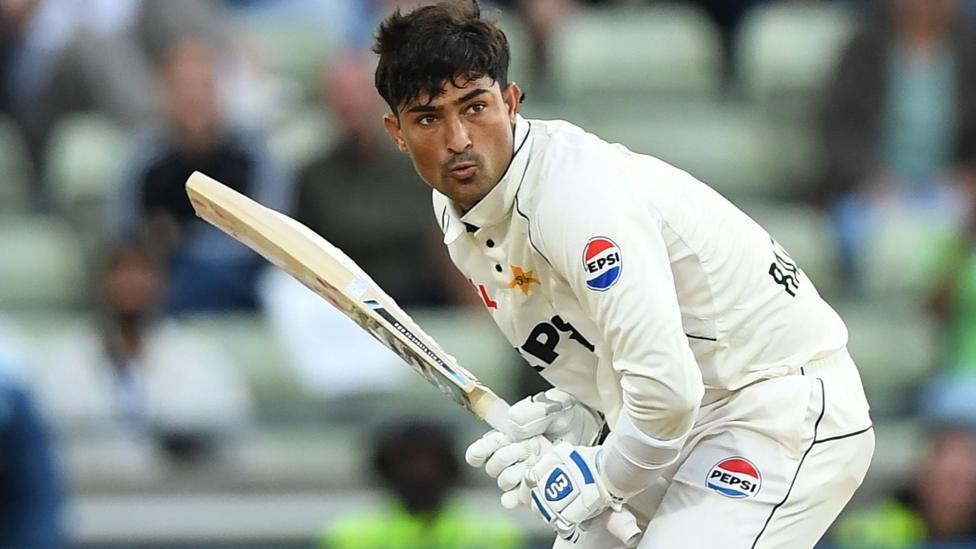
One of Karthik’s key questions involved the 21-year-old batter Razaullah, who made an encouraging impression later in the tour. After scoring 81 in the second innings in Birmingham, Karthik felt he should have been given a chance from the start.
“Somebody like Razaullah, who actually did well in the Test match, why was he not there from the start?” Karthik asked. “What is happening with the selection process?”
That is a significant point because it speaks to a recurring issue in Pakistan cricket: the balance between talent identification and team stability. When players are introduced late into a struggling tour and immediately show promise, the obvious follow-up question is why they were not backed earlier.
Pakistan’s Test identity under threat
Despite Pakistan showing better resistance in the final Test, Karthik insisted that the improvement could not mask the deeper problems. In his view, the team is currently nowhere near the level required to challenge consistently across Test nations.
He also stressed that the concern is bigger than one series because Pakistan have a rich history in the format. That legacy, he warned, is at risk if the current decline continues without decisive action.
“They have a rich heritage in Test cricket, but they are nowhere close at present,” Karthik said. “It looks alarming, and I hope the right people are taking notice.”
“It looks alarming, and the right people need to take notice.” — Dinesh Karthik
The former India batter’s remarks underline a broader reality for Pakistan: the crisis is no longer only about results, but about identity. A team once known for producing fearless fast bowlers, gifted batters and memorable overseas performances is now being accused of falling behind the demands of modern Test cricket.
What Pakistan must fix next
The challenge now is not simply to defend the England tour, but to address the structural problems that surfaced during it. Selection calls, leadership continuity and coaching clarity all appear to need urgent review if Pakistan want to regain competitiveness in the longest format.
Karthik’s assessment may sound brutal, but it reflects a hard truth: Pakistan cannot afford to treat this whitewash as a one-off setback. The warning signs are too visible, the criticism too widespread and the expectations around their Test pedigree too high.
If Pakistan are to respond, they will need more than a few changes to the squad. They will need a clear plan, a stable core and a stronger identity in the format that once defined their greatness.