
Now Reading: Probe Blames Interim Govt for Bangladesh T20 WC Exit
-
01
Probe Blames Interim Govt for Bangladesh T20 WC Exit

Probe Blames Interim Govt for Bangladesh T20 WC Exit

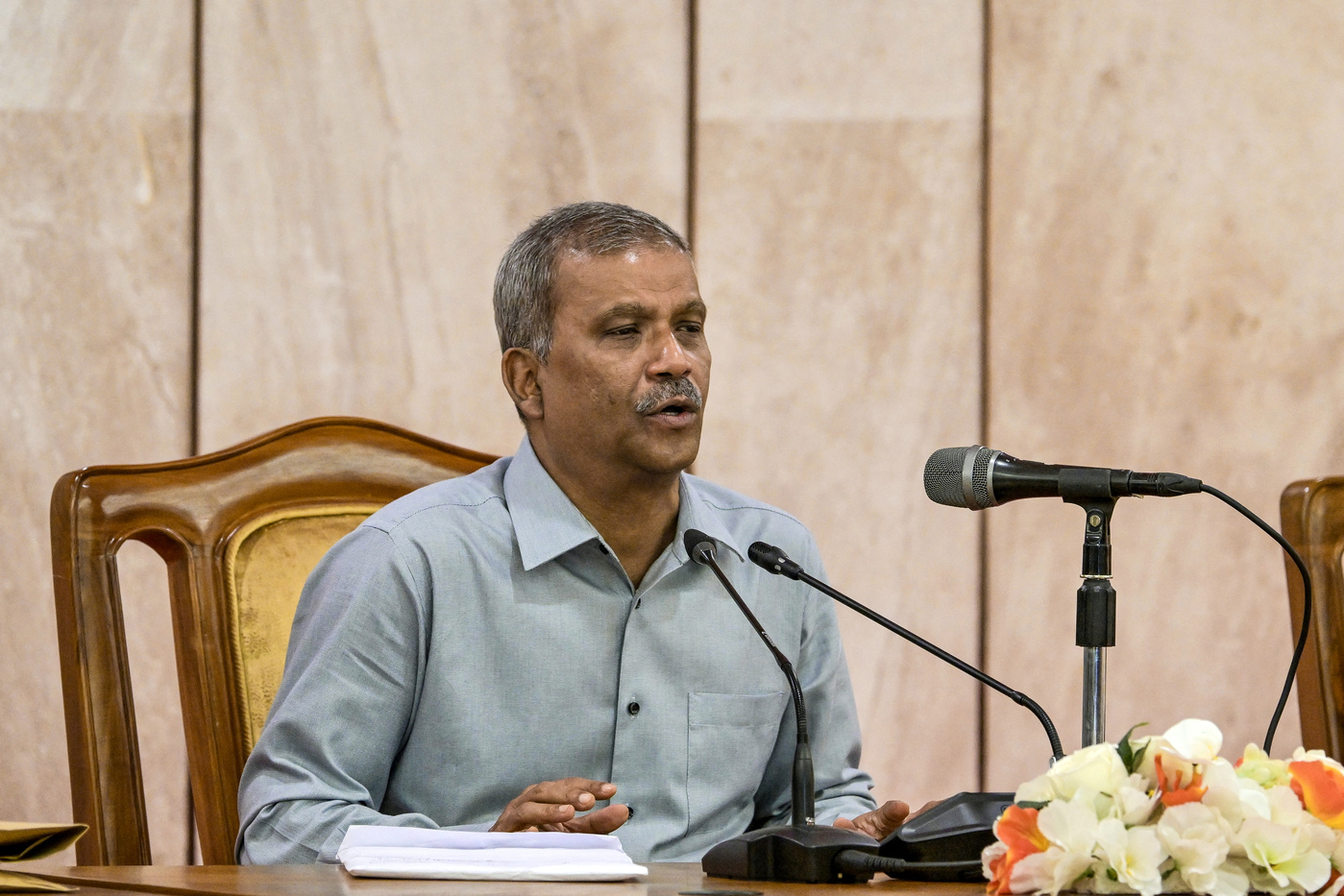
Bangladesh’s absence from the 2026 T20 World Cup has landed in the middle of a political and sporting storm. A three-member probe committee has now placed responsibility on the interim government, saying the decision to withdraw from the tournament was driven by a chain of missteps, tense diplomacy and failed negotiations.
Probe report points to government responsibility
The Ministry of Youth and Sports formed the committee to examine why Bangladesh did not take part in the tournament, which was co-hosted by India and Sri Lanka from February 7 to March 8, 2026. The panel was led by Additional Secretary Dr AKM Wali Ullah and included former national captain Habibul Bashar and Supreme Court lawyer Barrister Faisal Dastagir.
The committee’s 22-page report, released on September 15, 2026, concluded that the interim government bore responsibility for the withdrawal. Barrister Faisal Dastagir said the panel reached its finding after reviewing media reports and consulting experts.
“Based on media reports and after talking to experts, we came to the conclusion that the person responsible was Dr Asif Nazrul, who was in the government at the time, and that the government was responsible,” Dastagir told reporters.
According to the report, Dr Asif Nazrul, who served as sports adviser in the interim government formed after the student-led uprising in August 2024, was the key figure directly responsible for the decision.
Why Bangladesh pulled out
The findings show that the withdrawal was not caused by a single issue. Instead, the committee identified several factors that pushed the situation toward a major international setback for Bangladesh cricket.
| Factor | Impact level |
|---|---|
| Political tensions between India and Bangladesh | Very high |
| ICC refusal to shift venue | Very high |
| BCB failure in negotiations with ICC | High |
| Communication breakdown among stakeholders | Medium |
The report said political tensions between India and Bangladesh, along with the ICC’s refusal to move the venue, had a “very high” impact on the final outcome. The Bangladesh Cricket Board’s failure to secure a workable solution in talks with the ICC was also judged to have a “high” impact.
Communication breakdown between the different parties involved was rated as a “medium” factor, but the committee suggested it still played a role in the overall collapse of the process.
Players and fans paid the price
One of the strongest conclusions in the report was that players and supporters suffered the most. Bangladesh’s withdrawal meant the side missed the global stage, while Scotland ultimately replaced them in the competition.
The BCB had cited safety concerns when it withdrew, after the interim government directed the decision once the ICC rejected the request to relocate matches to Sri Lanka. That sequence of events has now become the centre of a wider debate about how national sports decisions should be made.
Calls for cricket to stay above politics
The committee recommended that cricket be kept separate from political disputes and that the Bangladesh Cricket Board’s independence be strengthened. It also urged the creation of clearer crisis communication protocols to avoid confusion during future emergencies.
Other recommendations included putting players’ welfare and security first and developing a national sports diplomacy framework. The panel argued that such a system could help Bangladesh handle international sporting pressure without repeating the same mistakes.
These recommendations reflect a broader concern inside the sport: when diplomacy fails, athletes often absorb the damage. In this case, Bangladesh’s withdrawal became more than a cricket story; it turned into a lesson on governance, timing and trust.
New government seeks answers
The new government has also signalled that the matter is far from closed. Sports Minister Aminul Haque has expressed a desire to repair Bangladesh’s sporting relationship with India and called for a proper investigation into how the T20 World Cup issue was managed by the BCB and the previous administration.
That push for accountability may keep the issue alive for some time. For now, the probe’s message is clear: the withdrawal had political roots, administrative failures and a heavy sporting cost.
As Bangladesh looks to rebuild its international standing, the report has raised a difficult but necessary question: how can cricket be protected when the pressure of politics gets too close to the field?