
Now Reading: Shreyas Iyer could lead India in NZ ODI shake-up
-
01
Shreyas Iyer could lead India in NZ ODI shake-up


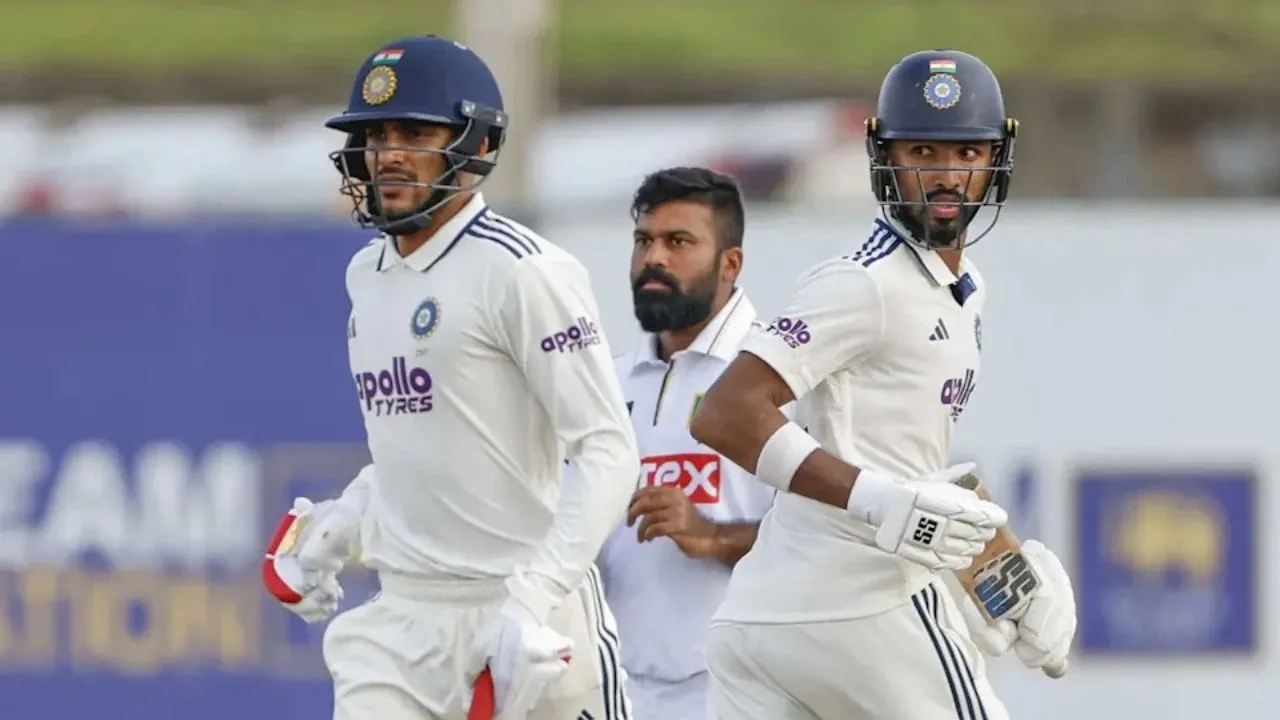
India’s New Zealand tour is already forcing a rethink before a ball is even bowled in the middle. A tight calendar, a short turnaround between formats and the possibility of split leadership could see Shreyas Iyer stepping in as ODI captain for the final two matches while Shubman Gill heads early into Test mode.
A schedule squeeze that changes everything
The issue is simple, but the consequences are significant. India are set to play five T20Is from October 22, followed by five ODIs from November 4, and then a Test series starting on November 19. The problem arrives at the end of the white-ball leg, where there is just a four-day gap between the final ODI and the first Test in Wellington.
That window is so narrow that it leaves little room for recovery, tactical preparation or even a meaningful switch in mindset. For a side expected to challenge across formats, it is the kind of sequencing that can quickly become a headache.
Gill could step away early
According to the report, Shubman Gill and several other Test-bound players may leave the ODI squad before the final two matches to get extra time in Wellington. If that happens, the move would likely open the door for Shreyas Iyer to lead the side in those games.
The players caught in the overlap include Gill, KL Rahul, Nitish Kumar Reddy, Prasidh Krishna, Jasprit Bumrah, Kuldeep Yadav and Mohammed Siraj. All are expected to be part of the ODI squad before shifting directly into the Test setup.
BCCI opts for an emergency fix
The BCCI is reportedly trying to manage the issue with a practical workaround. Head coach Gautam Gambhir, bowling coach Morne Morkel, assistant coach Sitanshu Kotak and fielding coach Subhadeep Ghosh may be split into two groups.
Two members of the support staff would stay back in Mount Maunganui to finish the ODI series, while the other two travel early to Wellington to begin Test preparations. It is a neat short-term solution, but one that also underlines how little margin the schedule has allowed.
A team insider suggested the problem should have been identified much earlier. “If the management had been consulted during planning, these sequencing issues could have been flagged before the calendar was finalised,” the source noted, according to the report.
Why this matters beyond one tour
This is not just about one series. India’s concerns mirror conversations that have surfaced after previous overseas tours, where players were forced to switch formats without enough breathing space. The lack of a proper transition has become a recurring issue, and this time the stakes are higher.
The ODI leg feeds into India’s preparation for next year’s World Cup, so a weakened side in any match would matter. At the same time, compromising red-ball readiness could be even more costly, because World Test Championship points carry enormous weight in India’s route to the final.
| Tour Element | Detail |
|---|---|
| T20I series start | October 22 |
| ODI series start | November 4 |
| Test series start | November 19 |
| Gap between final ODI and first Test | 4 days |
The structure of the tour also raises a broader question: should white-ball and Test fixtures be arranged with more flexibility when squads overlap heavily? The report suggests that if the tour had been sequenced differently, with ODIs first and T20Is later, the overlap may have been easier to manage. Instead, India are now forced to react rather than plan.
Split captaincy becomes a realistic option
If Gill does leave early, the captaincy switch to Iyer would not be surprising. Iyer has leadership experience, a calm presence and the ability to keep the white-ball group steady while senior Test players move on. In a compressed tour, that kind of temporary handover can be the difference between control and chaos.
The bigger issue is not whether Iyer can handle the role. It is why India need to make such a switch at all. Emergency fixes may solve the immediate problem, but they do not address the planning flaw behind it.
India’s support staff and selectors now have to balance two priorities at once: protect Test preparation and preserve ODI competitiveness. That is a difficult line to walk, especially on a tour where every day matters.
“The fix is sensible, but it should have happened in planning, not in crisis management.”
For now, the likely outcome is clear enough: a split squad, a split support staff and possibly a split captaincy. It is a reminder that in modern cricket, scheduling can be just as decisive as selection.