
Now Reading: Naman Dhir ODI Debut Sparks India Team-Balance Debate
-
01
Naman Dhir ODI Debut Sparks India Team-Balance Debate

Naman Dhir ODI Debut Sparks India Team-Balance Debate

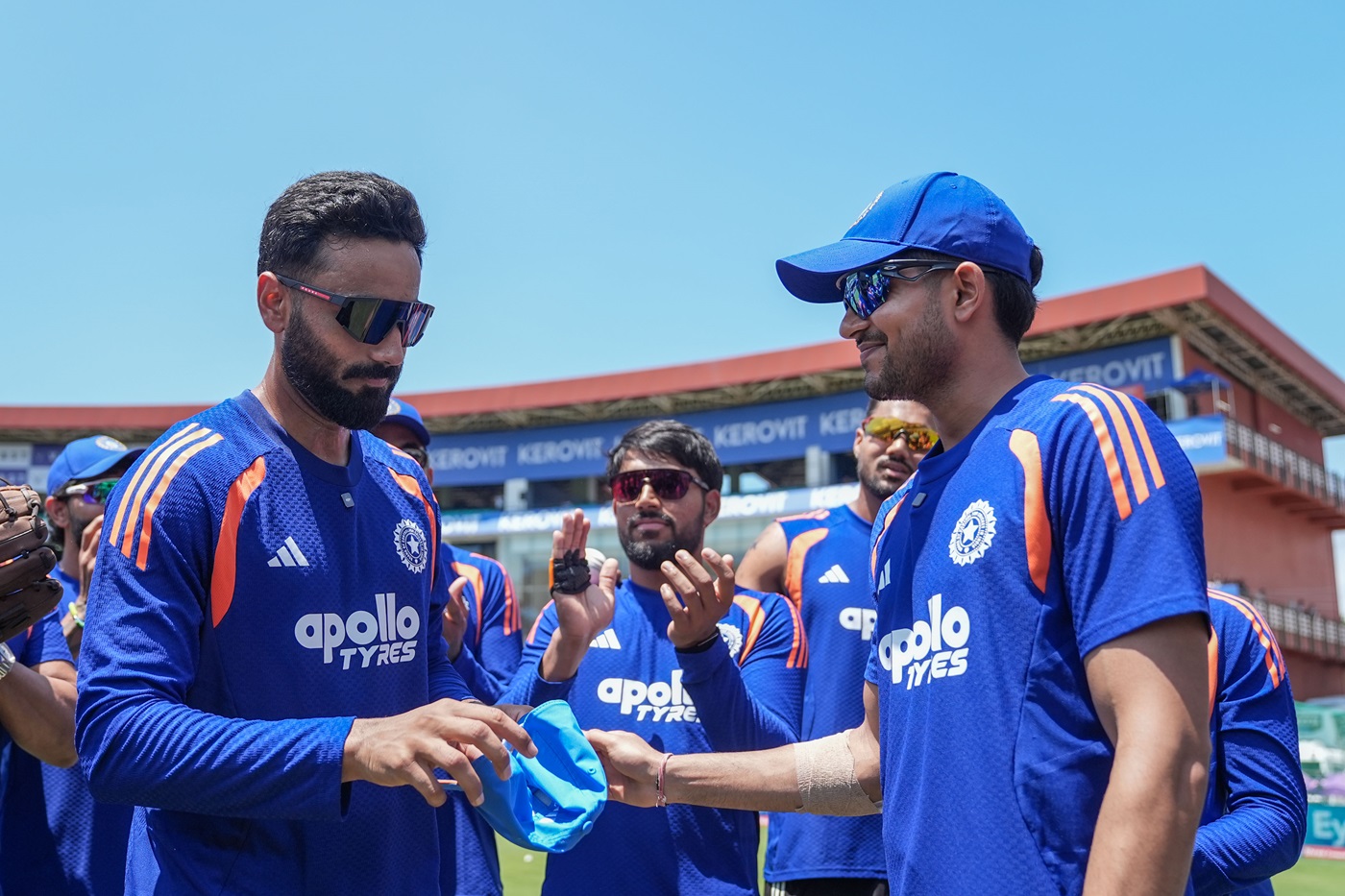
India’s ODI series opener against West Indies brought a fresh face into the spotlight, but not everyone was convinced by the move. Naman Dhir received his maiden ODI cap in Thiruvananthapuram, and almost immediately the conversation shifted from the debut itself to a bigger tactical question: has India sacrificed too much bowling depth for batting insurance?
A debut that triggered an instant debate
Dhir’s selection was built on strong domestic form and a rapid rise through the white-ball circuit. The Mumbai Indians batter has been viewed as an exciting all-round option, and his recent numbers in the Sher-e-Punjab T20 League only strengthened that reputation.
But India’s decision to include him in a side already leaning heavily toward batting depth created visible concern among fans and analysts. With the pitch at Greenfield Stadium expected to be flat and West Indies carrying real power in their batting, the XI looked bold to some and risky to others.
Why the selection raised eyebrows
India went with just four specialist bowlers: Nitish Kumar Reddy, Gurnoor Brar, Kuldeep Yadav and Prasidh Krishna. That left the fifth-bowler duties to part-timers, while Ravindra Jadeja, Nitish Kumar Reddy and Naman Dhir formed the all-round cushion in the side.
Supporters of the move argued that India were simply prioritising batting depth. Critics, however, felt the balance leaned too far in one direction, especially in a 50-over game where one off day from the main bowlers can expose the entire structure.
As one cricket watcher put it, the plan looked like India were “playing a bowler short,” while another questioned what the side was gaining from the extra batting cover. The reactions quickly turned Dhir’s debut into a larger discussion about selection logic and ODI template-building.
The numbers behind Naman Dhir’s rise
Dhir’s case for selection is not built on hype alone. His domestic record includes 14 List A matches, where he has scored 351 runs in 11 innings and taken seven wickets, with a best score of 97. He has also featured in 20 First-Class matches and 61 T20 games across Punjab, India A and Mumbai Indians.
His breakout moment came in the newly launched Sher-e-Punjab T20 League, where he smashed 655 runs in 10 matches for Amritsar Soormas. He finished with an average of 72.78 and a strike rate of 217.61, and one innings stood out above the rest: a brutal 173 off 64 balls against Mohali Kings on September 8, 2026.
| Metric | Number |
|---|---|
| List A matches | 14 |
| List A runs | 351 |
| List A wickets | 7 |
| Sher-e-Punjab T20 runs | 655 |
| Strike rate | 217.61 |
| Best innings | 173 off 64 balls |
India’s gamble against West Indies
The debate is not really about whether Dhir can bat. His domestic numbers suggest he can hit hard and shift momentum quickly. The real issue is whether India can afford to line up with so much batting depth on a day when West Indies’ top order could test the attack over a full 50 overs.
On a surface with limited help for bowlers, every over becomes more valuable. That puts added pressure on Kuldeep Yadav, Prasidh Krishna and the supporting seam options to deliver control, while Jadeja and Nitish Kumar Reddy may be asked to do more than usual. If the frontline attack gets stretched, the balance concern will only grow louder.
Why the management may have backed the call
There is another side to the argument. India may have decided that a deeper batting unit was worth the trade-off, especially if they wanted enough cushion to attack from the middle order onward. In that sense, Dhir’s inclusion can be seen as a calculated gamble rather than a random experiment.
As one observer noted, the selection only looks smart if Dhir contributes in both departments, even in small ways. A few useful overs and a quick cameo with the bat could justify the structure. If not, the criticism around an underpowered bowling unit will likely become the main storyline.
What this debut means going forward
For Dhir, the debut is still a major milestone. Regardless of the noise around team balance, earning an ODI cap for India is a significant step and a reward for the kind of aggressive domestic form that selectors increasingly value in modern white-ball cricket.
For India, though, the bigger question remains unresolved. This is the sort of selection that can look clever in victory and reckless in defeat. Against a strong batting unit and on a favorable pitch, the margin for error will be thin.
One thing is already clear: Naman Dhir’s ODI debut has done more than introduce a new player. It has reopened the familiar debate over how much batting depth is too much, and whether India can get away with carrying only four frontline bowlers in a full ODI.
That makes the rest of the match, and possibly the rest of the series, a live test of both the player and the plan behind him.