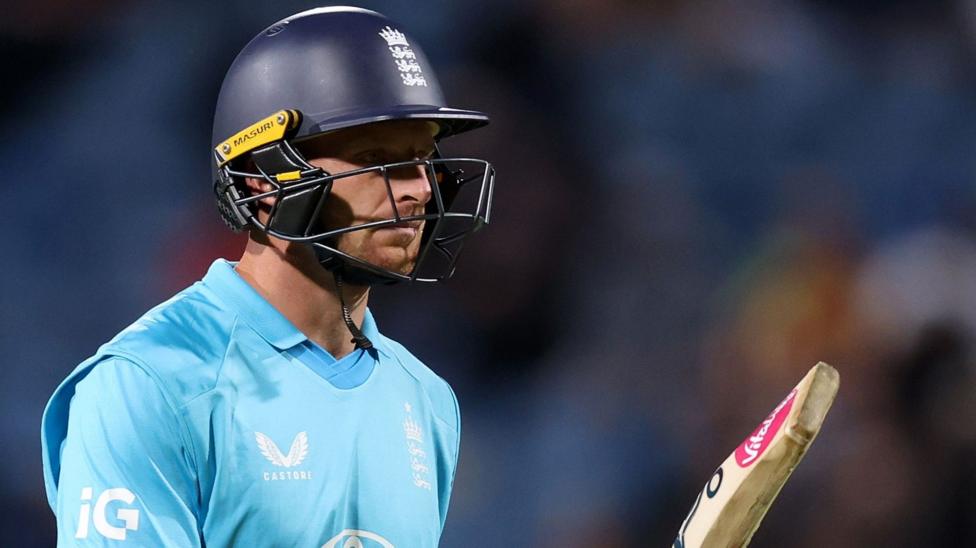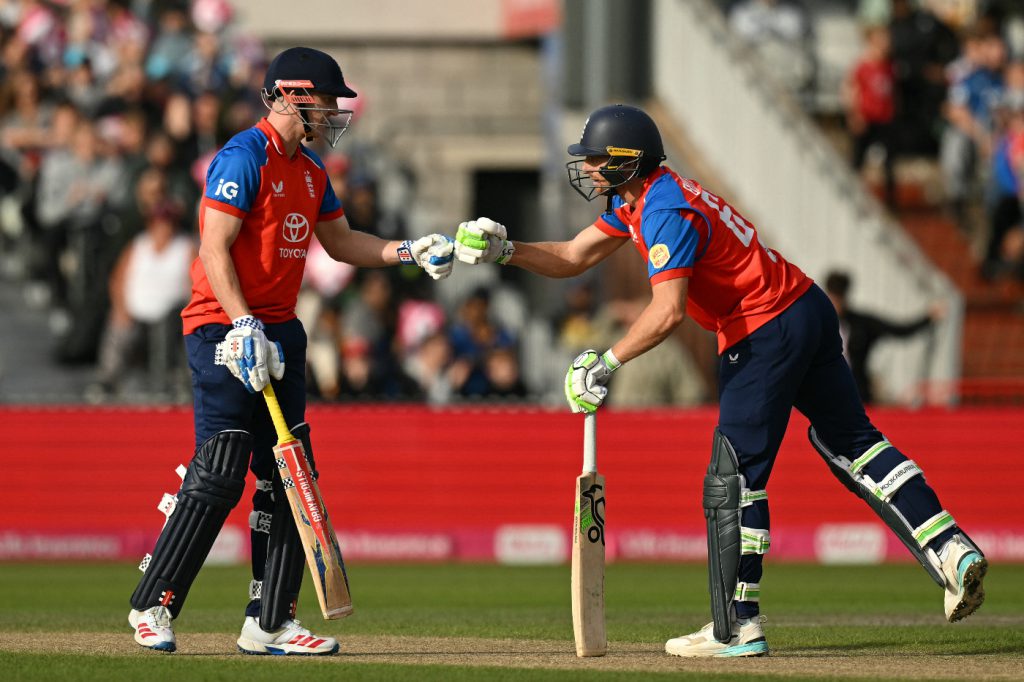



England’s series-clinching win over Sri Lanka in the third ODI at The Oval came with an extraordinary twist. The result confirmed England’s control of the series, but the biggest talking point was not the scoreline or the batting fireworks. Instead, a run-out involving Pavan Rathnayake turned into a rare umpiring puzzle that left players, commentators and fans asking the same question: what exactly happened?
The decision unfolded in a way that felt almost impossible to follow live. Rathnayake was given out, then not out, and then out again, with the full process taking about four minutes. By the time the dust settled, the dismissal had become one of the most unusual moments of the English summer.
A run-out sequence unlike most have seen
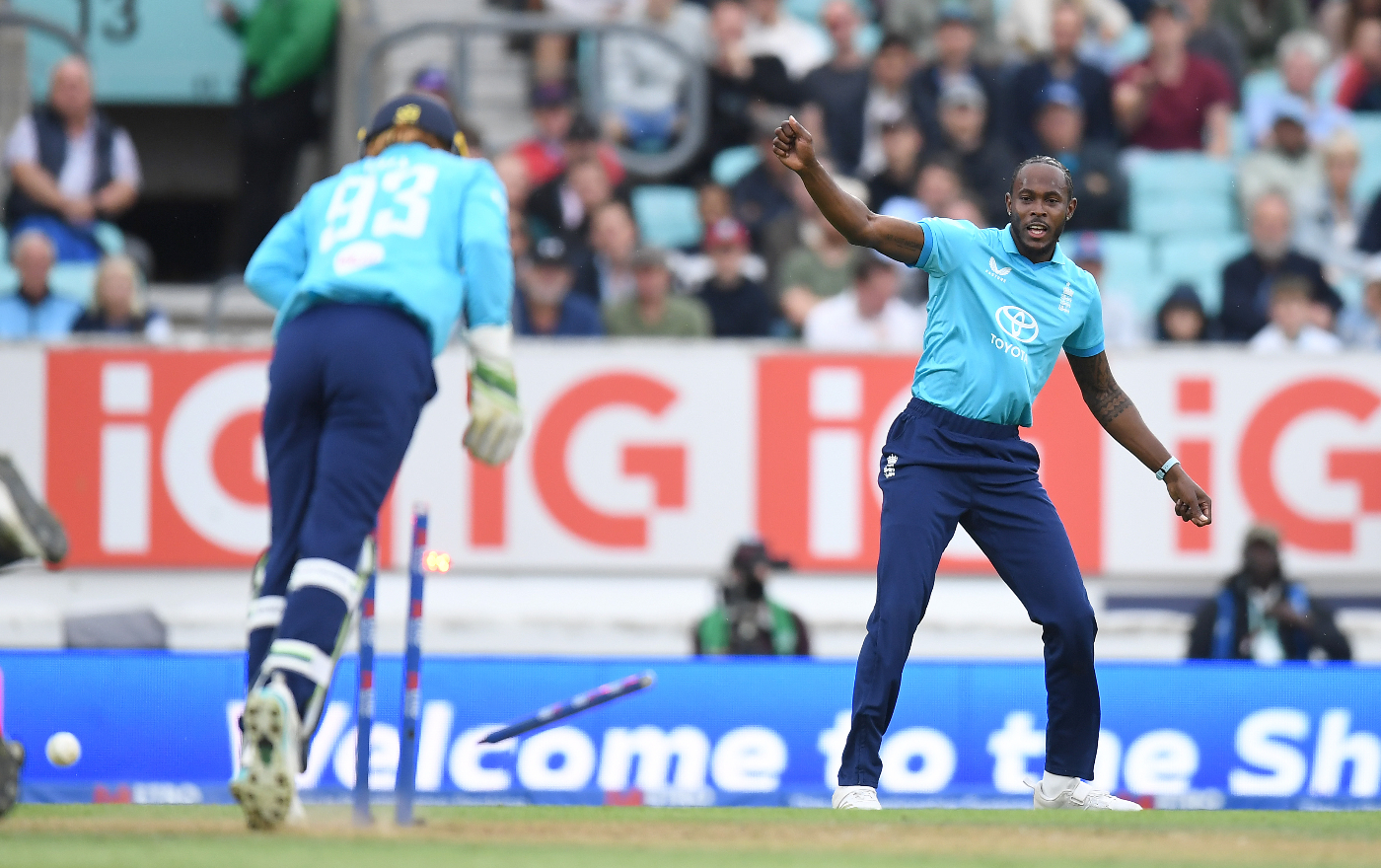
The incident came in the 15th over of Sri Lanka’s chase. Charith Asalanka nudged Liam Dawson to short third, and Jofra Archer’s throw to the keeper’s end found Rathnayake short of his ground. The stumps lit up, the bails flashed, and square-leg umpire Rob White initially raised his finger without sending the call upstairs.
After a chat with standing umpire Wayne Knights, White referred the decision. That is when the real confusion began. Replays showed that wicketkeeper Jordan Cox’s gloves had dislodged the bails just before Archer’s throw struck the stumps, creating a situation that appeared to complicate the run-out call.
Why the dismissal stood
TV umpire Adrian Holdstock initially appeared to overturn the decision, with “not out” flashing on the screen at The Oval. But the review did not end there. During the drinks break, Holdstock kept checking the footage before finally ruling Rathnayake out for 18 after another 90 seconds of consideration.
The key point was simple, even if the process was anything but. Archer’s throw had uprooted the stump entirely, which meant the wicket was fairly broken under MCC Law 29.2. In other words, even though the bails had already been dislodged, the throw itself completed the dismissal in a way that satisfied the Laws of Cricket.
The MCC clauses behind the call
Two sub-clauses proved decisive. MCC Law 29.2.1.1 states that a wicket is fairly broken if a bail is completely removed from the top of the stumps, or a stump is struck out of the ground by the ball. MCC Law 29.2.1.6 adds that the wicket is also fairly broken if a fielder strikes or pulls a stump out of the ground.
That combination explains why the decision eventually stood. The initial removal of the bails did not automatically end the matter, because the throw itself had enough force to uproot the stump and satisfy the law. It was a rare example of the rulebook, replay technology and on-field action all colliding in one moment.
“I’ve never seen this before or heard that Law before,” former England batter Mark Butcher said on Sky Sports. “Everybody knows that if you break the stumps and the bails come off, then you need to get the ball in your hand and take the stump out in order to affect the run-out.”
Reaction from England and the wider game
Butcher’s reaction reflected the wider mood. Even seasoned observers admitted that the sequence felt unfamiliar, and the length of the review added to the drama. It was the kind of moment that stops a match in its tracks and then keeps being discussed long after the final ball.
Tom Banton, who was named Player of the Match after his maiden international hundred, also said he had never seen anything quite like it. Still, he noted that Jamie Overton had immediately backed the out decision in the dressing room, underlining just how quickly opinions split on the incident.
What happens next
The dismissal has now moved beyond a single game and into the broader conversation about cricket’s Laws. MCC, the custodians of the Laws of the game, are expected to clarify the matter in the coming days. That clarification may help settle the argument, but the moment itself is likely to linger as one of the strangest decisions of the season.
For England, the bottom line was simple: the series was wrapped up at The Oval. Yet the cricket world will probably remember this match as much for the law lesson as for the victory. In a game built on fine margins, this was a reminder that even the most routine-looking run-out can turn into a textbook case of legal interpretation.
| Key detail | Information |
|---|---|
| Match | England vs Sri Lanka, 3rd ODI |
| Venue | The Oval |
| Dismissed batter | Pavan Rathnayake |
| Dismissal score | 18 |
| Review time | About 4 minutes |