
Now Reading: Man City found guilty in Premier League financial case
-
01
Man City found guilty in Premier League financial case


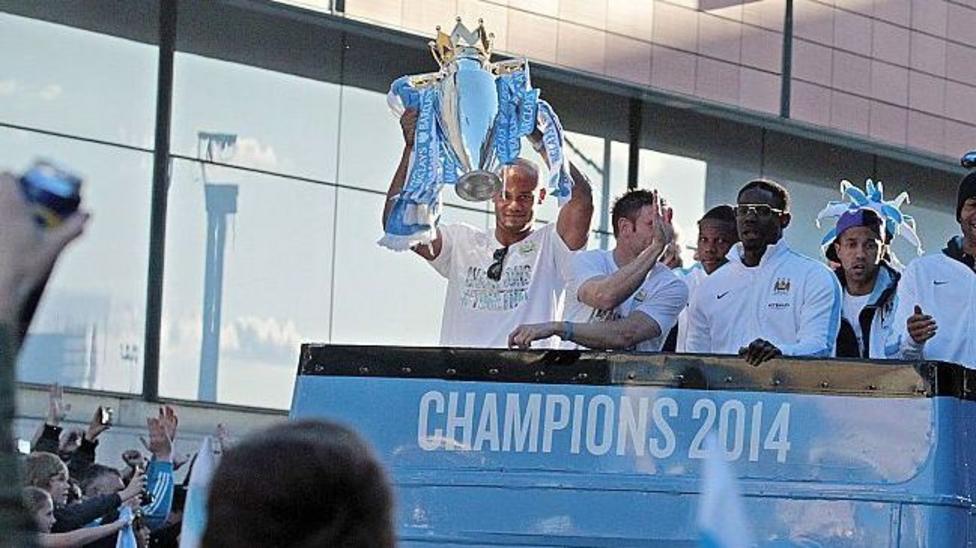
Manchester City have been found guilty of breaching Premier League financial rules over a nine-season period, in a ruling that has sent shock waves through English football. The independent commission concluded the club used a disguised funding scheme and false accounting to inflate income by more than £900m.
The verdict represents one of the most dramatic regulatory decisions in Premier League history. City, who strongly deny wrongdoing, have confirmed they will appeal before Friday’s deadline, setting up a potentially defining battle over the club’s future.
What the commission found
According to the Premier League’s published decision, City arranged what were described as “sham” commercial contracts with sponsors, with some of the money actually being funded by Abu Dhabi United Group Investment & Development Ltd, the club’s owner. The commission said those arrangements were designed to make revenue appear higher than it really was.
The ruling also found the club used fake or misleading image rights arrangements involving players and former manager Roberto Mancini. In the commission’s view, these deals helped City report lower costs and conceal the true state of their finances from regulators and auditors.
The Premier League said the scale of the breaches was exceptional. In total, City were found to have operated a disguised funding scheme worth £830.6m and hidden additional costs of £70m, taking the total impact beyond £900m across the period from 2009-10 to 2017-18.
Key findings at a glance
| Measure | Detail |
|---|---|
| Time period | 2009-10 to 2017-18 |
| Disguised funding scheme | £830.6m |
| Hidden costs | £70m |
| Total impact | More than £900m |
| Hearing length | 42 days |
| Decision length | 40 pages |
Why this case matters so much
Premier League chief executive Richard Masters called it “the most significant in Premier League history,” while other club executives were said to be stunned by the findings. The judgment goes far beyond a routine finance dispute and raises major questions about competitive balance, governance and trust in elite football.
Masters said the decision “establishes the facts” of what happened at Manchester City and “vindicates” the Premier League’s decision to pursue the case. His comments suggest the league now wants to move quickly to the next stage: sanctions.
That next stage could prove just as explosive as the verdict itself. While there is no direct precedent for a case of this scale, discussion has already turned to possible punishments, including a points deduction. Any sanction would almost certainly be contested further if City continue their appeal.
Possible consequences
Everton’s 10-point deduction for a much smaller breach is being viewed as a comparison point, although the City case is far larger and involves different allegations. The Premier League is expected to press ahead with the sanctions hearing while the appeal process runs alongside it.
One source close to the wider debate summed up the mood simply: “This is a watershed moment for the league.” The comment reflects the belief that whatever happens next, the case is already reshaping how financial rules are enforced in English football.
City’s response and the appeal battle
Manchester City reacted immediately, saying they were “disappointed and surprised” by the commission’s opinion. The club insisted there is “a comprehensive body of irrefutable evidence” supporting its position, and said it would be “relentless” in challenging the ruling in the appropriate legal forums.
Chief executive Ferran Soriano reportedly told employees the decision was based on a “Premier League conspiracy theory,” a sign of how fiercely City intend to fight back. The club has until Friday to file its appeal, and that appeal is likely to dominate football discussion for months.
The commission also made unusually strong remarks about witness evidence, saying some testimony given on behalf of the club was false in key respects. It concluded that some witnesses had been dishonest and that City had made concerted efforts to frustrate the investigation.
A case that could reshape the league
The wider impact of the ruling could be huge. If the sanctions are severe, City may face penalties that alter not only their season but also their long-term standing in the Premier League. Even before any punishment is confirmed, the ruling has already intensified scrutiny on club ownership, sponsorship structures and financial oversight.
For now, the football world is waiting for the next twist. City have the right to appeal, the Premier League wants speed, and the scale of the findings ensures this will remain one of the sport’s defining legal and sporting controversies.
Whatever the final penalty turns out to be, the message from the commission is stark: the Premier League believes City broke the rules on an extraordinary scale, over an extraordinary period, with extraordinary consequences.