
Now Reading: ICC Confirms 12 Venues for 2027 ODI World Cup
-
01
ICC Confirms 12 Venues for 2027 ODI World Cup


The road to the 2027 ODI World Cup is officially taking shape, and the venue map already promises a tournament with fresh energy and familiar weight. The ICC has confirmed 12 host cities across South Africa, Zimbabwe and Namibia, marking the event’s return to Southern Africa for the first time in nearly a quarter of a century.
With South Africa set to stage the bulk of the matches and Zimbabwe and Namibia sharing the rest, the tournament will blend major Test-match pedigree with newer cricketing frontiers. The final is expected to be played at either the Wanderers or Newlands, two grounds with rich ICC history and a big-stage feel.
Southern Africa gets the World Cup spotlight
The 2027 edition will be the first men’s ODI World Cup hosted on African soil since 2003, when South Africa, Zimbabwe and Kenya co-hosted the event. That alone gives this announcement significant historical weight. For fans, it also means a rare chance to see a global ICC tournament unfold across three different countries in one region.
South Africa will carry the heaviest fixture load, with eight cities selected to stage most of the 54 scheduled matches. The country’s established international venues will anchor the event, helping the ICC balance infrastructure, crowd capacity and travel logistics across the tournament.
Key venues and fixture spread
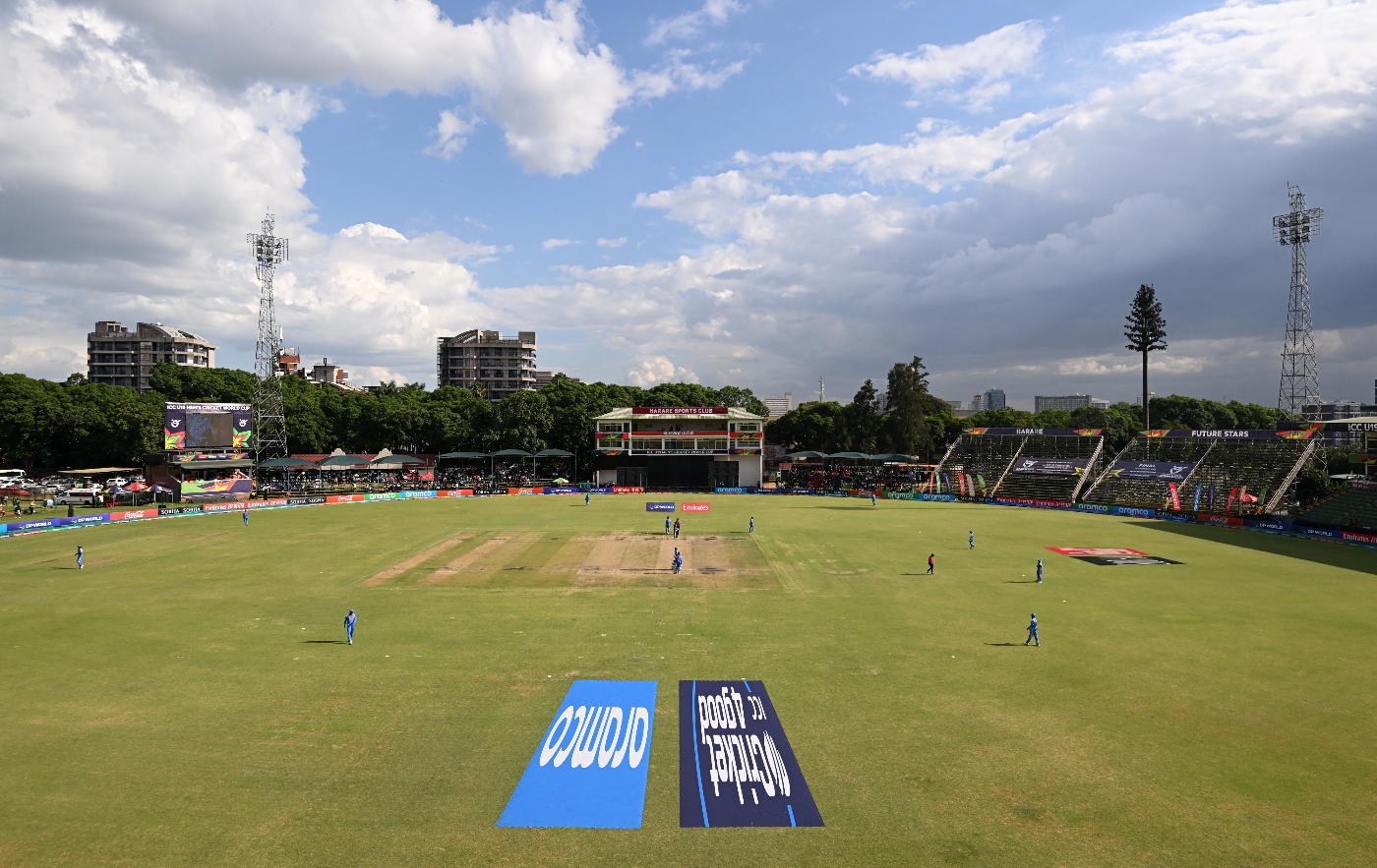
Zimbabwe will also play a visible role, with Harare, Bulawayo and Victoria Falls expected to host between seven and ten matches. Namibia rounds out the host list, with Windhoek guaranteed at least three games as the country prepares for its first senior ICC event.
A compact stat view of the tournament setup shows just how widely the action will be spread:
| Category | Details |
|---|---|
| Host nations | 3 |
| Total venues | 12 |
| Total matches | 54 |
| South Africa venues | 8 cities |
| Zimbabwe matches | 7 to 10 |
| Namibia matches | At least 3 |
One of the most notable additions is Victoria Falls, which brings a brand-new venue into the mix. The 10,000-seat stadium is expected to be completed later this year, with domestic cricket first and then an international debut likely in the opening months of 2027.
A new venue adds fresh intrigue
Victoria Falls stands out not just because it is new, but because it gives the tournament a fresh visual and geographical identity. The venue represents cricket’s expanding footprint in Southern Africa, and its arrival as part of a World Cup schedule adds a sense of occasion well beyond the boundary rope.
As one cricket administrator familiar with such planning often puts it, “A World Cup is not only about matches. It is also about building memories in places that have never felt that spotlight before.” That idea fits Victoria Falls perfectly, with the ground set to make its mark before the tournament begins.
Warm-up matches and logistical planning
Two more South African cities, Benoni and Potchefstroom, have been designated as warm-up venues. They are also expected to jointly host the World Cup Qualifier with Namibia early next year, giving the build-up to the main event an unusually broad footprint.
The scheduling has been shaped carefully around South Africa’s domestic cricket calendar. The six main international venues in the country are set to be tied up with the SA20 league during that period, leaving the warm-up cities to absorb the early tournament action.
That level of planning matters. A World Cup is as much a logistical project as it is a sporting one, and the ICC’s latest confirmation shows how seriously the event is being mapped out well in advance.
Why this World Cup matters beyond the fixtures
For South Africa, hosting another major ICC event is familiar territory. The country has staged the men’s T20 World Cup in 2007, the women’s T20 World Cup in 2023, and multiple Under-19 World Cups, building a strong reputation for delivering global tournaments.
For Namibia, though, this is uncharted ground. It will be the first time the country hosts a senior ICC event, a milestone that could have lasting impact on facilities, visibility and the game’s growth locally.
Zimbabwe also adds a compelling layer to the story. England are expected to return to the country for a World Cup qualifier in Harare on October 20, their first match there since 2004, underlining how the 2027 pathway is already creating meaningful fixtures before the main tournament even begins.
The broader significance is clear: the 2027 ODI World Cup is not only heading back to Africa, it is doing so with a modern, multi-nation format that spreads opportunity across the region. From established ICC strongholds to a debuting venue in Victoria Falls, the tournament is shaping up as both a cricketing showcase and a statement of intent for Southern African cricket.
As the countdown continues, the confirmed venue list gives fans the first real glimpse of how the World Cup will feel on the ground. And with historic venues, new infrastructure and a continental return after 24 years, anticipation is already building fast.