
Now Reading: John Obi Mikel Reveals How Chelsea Saga Changed His Life
-
01
John Obi Mikel Reveals How Chelsea Saga Changed His Life


John Obi Mikel has revisited one of football’s most dramatic transfer sagas, opening up on the chaotic journey that took him from Nigeria’s Under-17 World Championship to the heart of Chelsea’s golden era. What began as a simple jersey mistake soon became a defining chapter in football history, as two of Europe’s biggest clubs fought for a teenage talent with a big future.
The name change that started it all
For Mikel, the story begins in Finland in 2003, where a printing error on his Nigeria jersey gave him a name he would carry for the rest of his career. His shirt arrived with “Mikel” on the back instead of “Michael,” and after a standout tournament, the nickname stuck.
“I saw mine, and it said Mikel. I was like, ‘What?! What’s this?’” he recalled. That tiny mistake turned into a global identity for a player who was just 16 years old and already attracting serious attention.
The tournament proved to be his breakout moment. Strong performances sparked interest from major clubs, while agents and scouts started circling. According to Mikel, the attention became so intense that Nigeria’s team hotel security was instructed not to reveal his room number to anyone asking for him.
Why the teenager became a transfer battleground
The chase for Mikel quickly escalated. He described an agent arriving with a briefcase containing around £50,000, trying to persuade him to sign for a Dutch club. Arsenal and Bayern Munich were also reportedly monitoring him, but Manchester United made the first major move.
At Old Trafford, Mikel trained with Sir Alex Ferguson’s first team and shared sessions with elite names such as Roy Keane, Paul Scholes, Ruud van Nistelrooy, Gary Neville and Rio Ferdinand. He said the experience was unforgettable, especially watching Scholes’ passing from close range.
“Paul Scholes would ping the ball right, left and centre,” Mikel said. “He was absolute quality. I could have watched him all day.”
But a major rule complication changed everything. At the time, African players had to be 18 before signing, and Mikel was still 16. United sent him back to Nigeria, expecting a temporary solution, but Chelsea soon entered the race after Roman Abramovich’s arrival transformed the club’s ambition.
Chelsea move, Norwegian detour and a contract war
When Chelsea got involved, the story grew even more dramatic. The club wanted Mikel, but again he could not sign immediately because of age restrictions. Instead, Chelsea placed him at Lyn Oslo in Norway, supported his family, and even sent three Nigerian teammates to keep him company.
Once he turned 18, the situation exploded. Mikel said Manchester United representatives appeared in Norway and pushed him to sign a pre-contract, with no family or advisors present. Soon after, he was unveiled in a Manchester United shirt at a press conference, a moment he later described as a huge mistake.
“Looking back, that wasn’t right,” he said. “There should be advice from somebody; it’s unusual for it to happen like that.”
Chelsea reacted fiercely, and the dispute became a full-scale standoff involving FIFA and the English FA. Mikel spent about a year in London unable to play, train, or even visit a club while the situation was resolved.
| Key transfer details | Figures |
|---|---|
| Age at Under-17 breakthrough | 16 |
| Reported United pre-contract | £1.5m |
| United-to-Chelsea payment | £12m |
| Payment to Lyn Oslo | £4m |
Those numbers underline how high the stakes were for a teenager who had not yet officially entered Europe’s biggest stage.
Mourinho, Ferguson and the decision that defined a career
Jose Mourinho played a key role in convincing Mikel to choose Chelsea. Their meeting, arranged secretly, left a lasting impression. The Portuguese coach made it clear that Chelsea wanted him and believed he could become a top player at Stamford Bridge.
Sir Alex Ferguson also made one final push. In a private meeting, the Manchester United manager asked what Chelsea had offered and said he would match it. But Mikel had already made up his mind.
“I just said: ‘No, boss. I’m sorry, I just want to go to Chelsea,’” he recalled.
It was a difficult moment, but also a pivotal one. He chose the club where he believed he could build something new rather than join an already dominant United side. That decision would help shape Chelsea’s modern identity.
From setbacks to trophies at Stamford Bridge
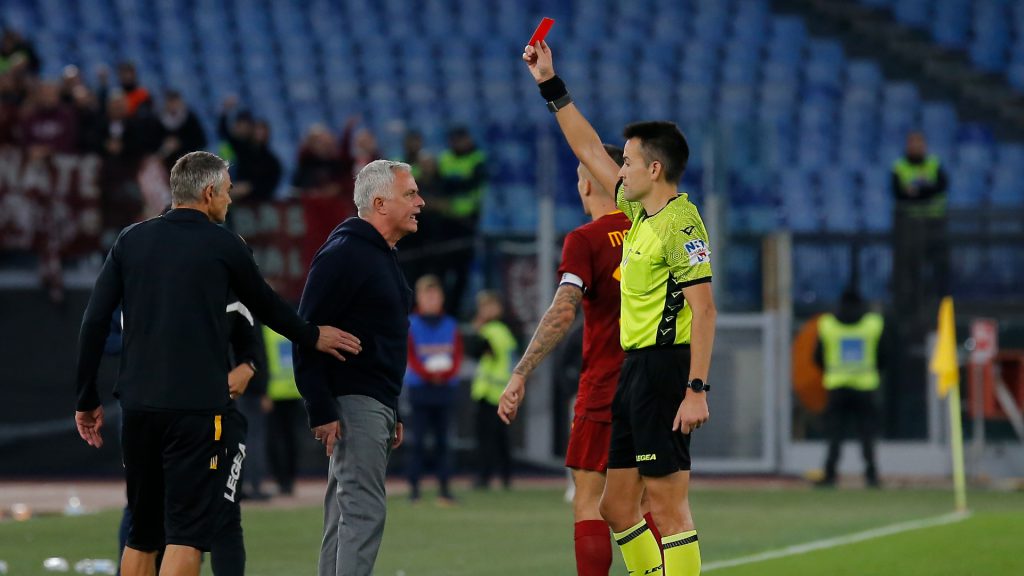
Mikel’s Chelsea career did not begin perfectly. He was sent off on his Premier League start at Reading and had to learn quickly under Mourinho’s strict standards. The coach’s punishments, fines and relentless demands forced him to mature fast.
Still, the midfielder grew into a trusted presence. He played 372 games for Chelsea, became a vital holding midfielder and helped the club through one of its most successful periods. At the time, his role was less glamorous than modern midfielders, but it was essential to the team’s structure.
“In those days, a holding midfielder didn’t go anywhere,” Mikel said. “We couldn’t run past the halfway line.”
His biggest moments came in cup finals. In the 2007 FA Cup final against Manchester United at the new Wembley, he played a crucial role in the winning goal. A year later, United beat Chelsea in the Champions League final in Moscow, a painful defeat that stayed with him.
But redemption arrived in 2012. Chelsea’s Champions League triumph over Bayern Munich, sealed by Didier Drogba’s equaliser and winning penalty, became one of the defining nights in the club’s history. Mikel said the team was driven by an obsession to give their legends and owner Roman Abramovich the trophy they desperately wanted.
“We were the first London team to win the Champions League,” Mikel said. “It was our last chance to give them that trophy.”
A legacy that still resonates
Mikel’s story is more than a transfer saga. It is a reminder of how quickly football careers can be shaped by timing, pressure and decisions made in unstable circumstances. His journey from a teenage wonderkid to a Chelsea winner included uncertainty, conflict and eventual triumph.
He also believes the role of the holding midfielder has evolved dramatically since his peak years. Players like Rodri and Ryan Gravenberch now have more freedom to attack, and Rodri’s Ballon d’Or win showed how central the position has become.
Even after all these years, Mikel says his relationship with Chelsea fans remains special. He also revealed that he recently met Ferguson again and received a warm reminder of the transfer story that still fascinates supporters.
“He said: ‘Oh, there he is, the one that got away!’” Mikel laughed.
For Mikel, there are no regrets. He chose Chelsea, helped create history and became part of a dynasty that changed the club forever. The mistaken name on the back of a shirt became the start of a career few could have predicted.