
Now Reading: Dhruv Jurel to captain India A in New Zealand series
-
01
Dhruv Jurel to captain India A in New Zealand series


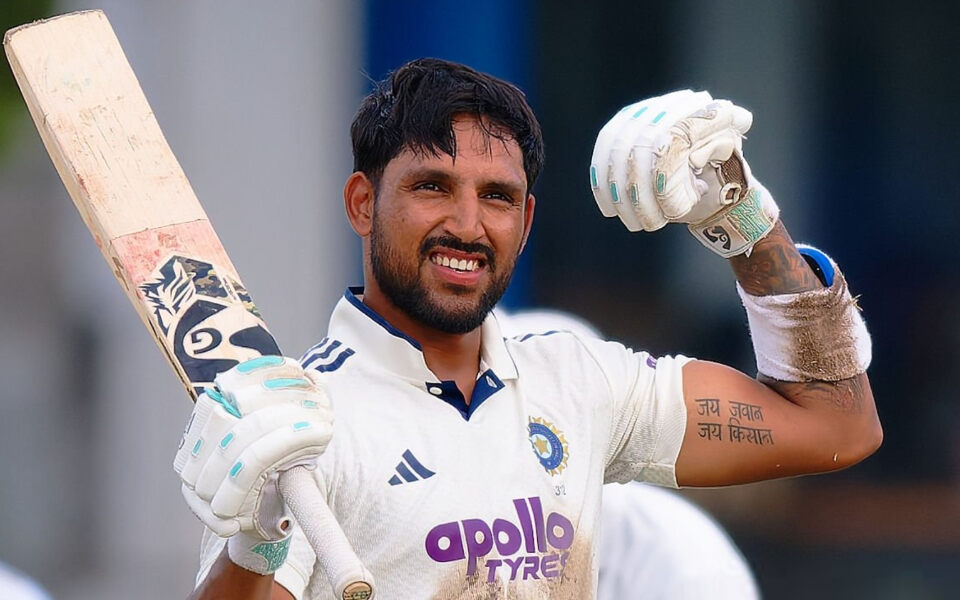
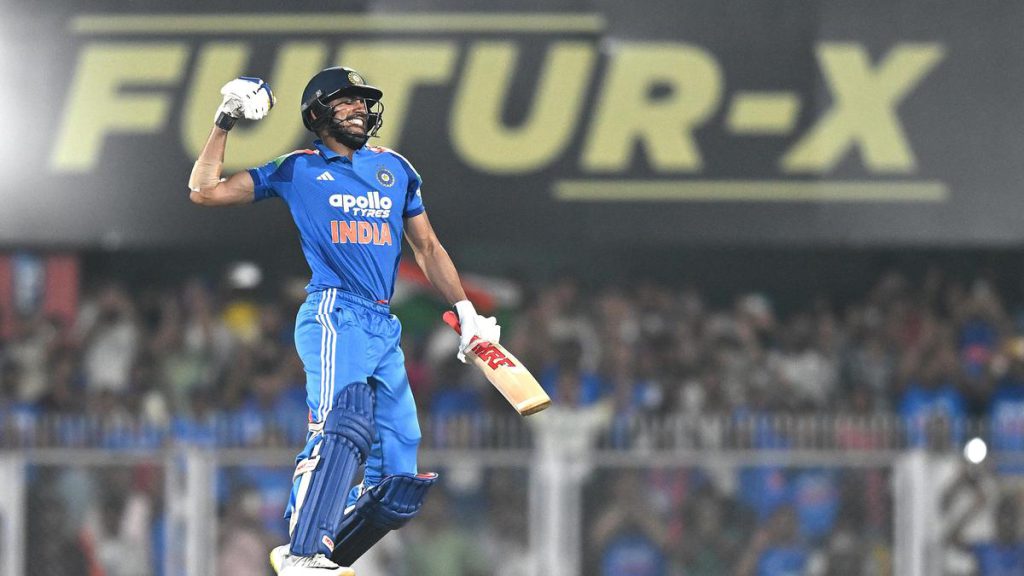
India’s selectors have turned the upcoming India A tour of New Zealand into more than just a development assignment. By naming a squad packed with senior-level names and handing Dhruv Jurel the captaincy, the BCCI has sent a clear message: this series is about building depth, testing temperament, and preparing for the future.
The India A side will play three four-day unofficial Tests against New Zealand A, beginning on October 24, 2026. The matches will be staged in Lincoln and Christchurch, with the tour wrapping up by November 10. For a red-ball group looking to sharpen its edge in seam-friendly conditions, this is a valuable opportunity.
Jurel gets the leadership role
Dhruv Jurel being named captain stands out immediately, especially with players like KL Rahul and Rishabh Pant in the squad. But the move reflects long-term planning rather than a surprise demotion for senior cricketers.
Jurel has already built a reputation as a composed leader, having captained at youth level and taken leadership responsibilities in domestic cricket. The selectors appear to trust him to manage a side that blends experience with emerging talent.
“This is the kind of tour where leadership matters as much as runs and wickets,” an observer familiar with India’s red-ball planning said.
A squad built for conditions and competition
The 15-member squad includes Yashasvi Jaiswal, KL Rahul, Devdutt Padikkal, Sai Sudarsan, Rishabh Pant, Washington Sundar, Akash Deep, Mukesh Kumar, Anshul Kamboj, Mukesh Choudhary, Manav Suthar, Yash Rathod, Ravichandran Smaran and Auqib Nabi. It is a group with both proven quality and significant upside.
What makes this selection especially interesting is the balance. India A have enough batting depth to survive difficult spells, while the bowling unit has been shaped with New Zealand’s conditions in mind. Four seam options, backed by all-round support, should make the side competitive across all three games.
| India A vs New Zealand A series | Details |
|---|---|
| Series | 3 unofficial Tests |
| Start date | October 24, 2026 |
| End date | November 10, 2026 |
| First match | Lincoln |
| Second match | Christchurch |
| Third match | Lincoln |
Why this tour matters for India’s future
The bigger picture goes beyond the A-team label. With the 2027 ODI World Cup on the horizon, India are clearly widening the talent pool and giving red-ball and white-ball contenders a chance to prove they can handle pressure abroad.
Even though the immediate tour is in the longest format, the broader selection philosophy is easy to read. India want ready-made options across formats, and tours like this help identify players who can adapt quickly when called up.
The New Zealand conditions should test technique, patience, and game awareness. Seam movement and bounce will punish loose footwork, while the four-day format will demand concentration over long periods. For younger batters, that challenge can be as important as the scorecard itself.
Rishabh Pant’s presence adds another layer
Rishabh Pant’s inclusion adds star power, though his availability is subject to fitness. Even if he does not feature in every match, his presence in the squad adds a competitive edge and increases the value of the tour for everyone around him.
For players like Jaiswal, Padikkal, and Sudarsan, the chance to share a dressing room with established international names is a useful part of the process. For bowlers, the tour offers a chance to show they can succeed in conditions that demand discipline and repeatability.
A selection that looks beyond the present
The India A squad is not just about filling a calendar. It is a statement of intent from the selectors, who seem determined to keep the pipeline active and make sure the national team is never short of options.
If Jurel can manage the group well and the senior names perform as expected, India may leave New Zealand with more than just results. They could return with clarity on who is ready to step up when the senior side needs reinforcements.
That is what makes this tour worth watching. It is not only about who scores the most runs or takes the most wickets. It is also about who shows the control, the adaptability, and the mindset required to thrive at the next level.
In that sense, Dhruv Jurel’s captaincy may be the headline, but the real story is India’s willingness to invest in a future that is already taking shape.