
Now Reading: MCG Set to Host 2028 T20 World Cup Final as Perth Eyes Semifinal and Adelaide Misses Out
-
01
MCG Set to Host 2028 T20 World Cup Final as Perth Eyes Semifinal and Adelaide Misses Out

MCG Set to Host 2028 T20 World Cup Final as Perth Eyes Semifinal and Adelaide Misses Out

The biggest stage in T20 cricket is heading Down Under again, and the Melbourne Cricket Ground is reportedly set to host the 2028 final. Perth is tipped for a semifinal, Adelaide looks set to miss out, and a brand new Super 10 format with eliminators is on the way. The road to glory just got far more dramatic.
MCG Set for Second T20 World Cup Final
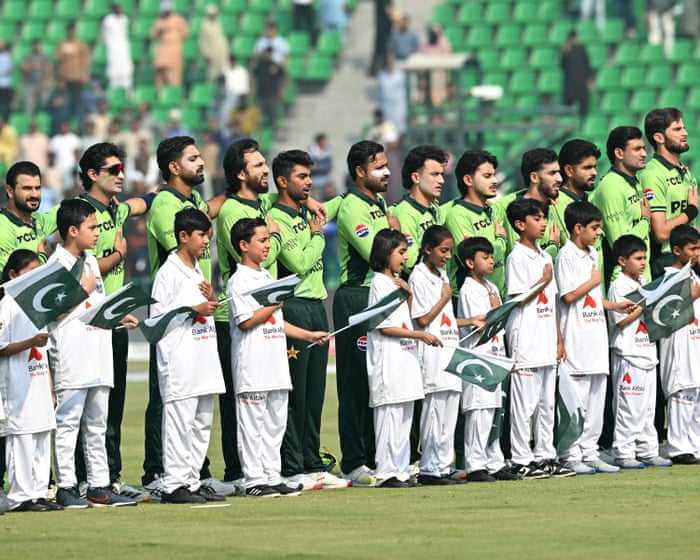
According to a report by 9News, the MCG will stage the tournament’s summit clash for the second time. The iconic venue previously hosted the 2022 final between England and Pakistan.
With a capacity of around 100,000, the MCG offers the kind of atmosphere that big finals demand. Australia and New Zealand will co-host the 20-team event from October 12 to November 12, 2028.
The ICC has not yet confirmed the full venue list or the match allocation. Until it does, these details remain reported rather than official.
| Tournament Detail | Information |
|---|---|
| Hosts | Australia and New Zealand |
| Dates | October 12 to November 12, 2028 |
| Teams | 20 |
| Matches | 55 |
| Reported final venue | Melbourne Cricket Ground |
| MCG capacity | Around 100,000 |
A Proven Home for Big Finals
The MCG has a strong record of hosting major finals. Besides 2022, it staged the 1992 and 2015 Men’s ODI World Cup finals. It also hosted the 2020 Women’s T20 World Cup final.
Perth Leads the Semifinal Race
Optus Stadium in Perth is reportedly in contention for one of the two semifinals. New Zealand is expected to host the other last-four clash. Sydney and Adelaide are unlikely to get semifinal fixtures this time.
Time zones may play a part. Perth is considered more convenient for Indian television audiences than several other Australian venues. If India qualifies for the semifinals, the team could be allocated the Perth match, depending on the final schedule.
Likely Host Cities
Australia is expected to use five venues: Melbourne, Sydney, Adelaide, Perth and Brisbane. New Zealand’s likely hosts are Auckland, Christchurch and Wellington. That makes eight expected host cities across the two nations.
The ICC is yet to confirm how the 55 matches will be split between the co-hosts.
Adelaide Oval Misses Out Amid BBL Row
Adelaide Oval has reportedly missed out on both the final and a semifinal. The reason is believed to be linked to disagreements over Cricket Australia’s plans to privatise the Big Bash League.
Several state associations opposed the proposal, and Adelaide was among those that raised concerns. Cricket Australia has still approved the plan. Individual states and clubs can now sell commercial stakes in their Team Participation Agreements.
The venue has big-match pedigree. It hosted a quarter-final during the 2015 ODI World Cup and the 2022 T20 World Cup semifinal between India and England. Even so, it is not expected to stage a semifinal in 2028.
New Format: Super 10 and Two Eliminators
The ICC has also overhauled the Men’s T20 World Cup structure. The changes were announced after its Annual General Meeting in Edinburgh and will debut in 2028.
The opening round will have five groups of four teams, replacing four groups of five. The top two from each group will move into a Super 10 stage with two groups of five. This replaces the previous Super Eight system.
| Stage | Structure |
|---|---|
| Opening round | 5 groups of 4 teams |
| Advance to Super 10 | Top 2 from each group |
| Super 10 | 2 groups of 5 teams |
| Direct semifinal spots | Winners of both Super 10 groups |
| Eliminators | 2nd and 3rd place teams face the other group’s teams |
How the Eliminators Work
The winners of the two Super 10 groups qualify directly for the semifinals. Teams finishing second and third in each group then play cross-pool eliminators. The winners of those matches take the remaining two semifinal spots.
The format rewards consistency in the Super 10 stage while keeping a second chance alive. It also adds extra knockout tension before the semifinals even begin.
What This Means for 2028
A packed MCG final, a possible India clash in Perth and a fresh knockout structure set up a blockbuster tournament. Fans will be watching for official confirmation of the venue list and fixtures.
For now, the picture is clear: the 2028 T20 World Cup is shaping up to be bigger, bolder and more unpredictable than ever.