Now Reading: Kamboj and Arshdeep Fire India to Command Over New Zealand in Auckland ODI
-
01
Kamboj and Arshdeep Fire India to Command Over New Zealand in Auckland ODI


India’s bowlers grabbed the first ODI at Eden Park by the throat. With a young, inexperienced attack and no frontline spinner, Shubman Gill’s side dismissed New Zealand for just 185. Anshul Kamboj’s record-level economy and Arshdeep Singh’s four-wicket haul set the tone for a statement start.
India Dominate With the Ball in Auckland
Shubman Gill won the toss and chose to bowl first. He then backed four pace options and left out a frontline spinner.
The gamble paid off quickly. New Zealand had a decent start, but wickets kept falling at regular intervals. The home side never built a partnership big enough to threaten India.
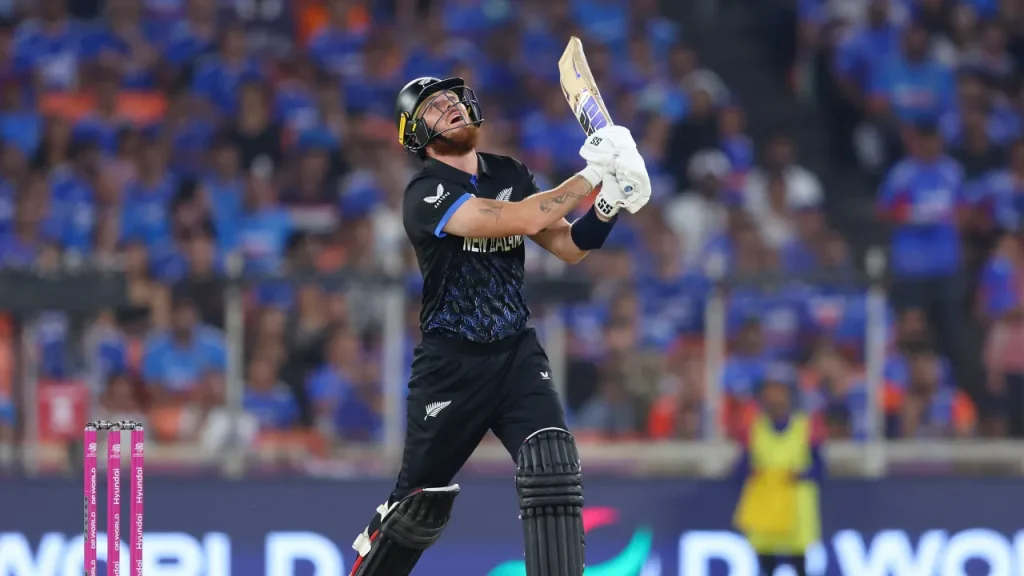
Blair Tickner’s 34 from No.11 pushed the total past 150. Remarkably, he finished as the highest scorer in the innings, which says a lot about how far the top order struggled.
Innings Snapshot
| Detail | Figure |
|---|---|
| New Zealand total | 185 all out |
| Top scorer | Blair Tickner (34, No.11) |
| Anshul Kamboj | 2/22 in 10 overs |
| Arshdeep Singh | 4/70 in 10 overs |
Anshul Kamboj’s Miserly Masterclass
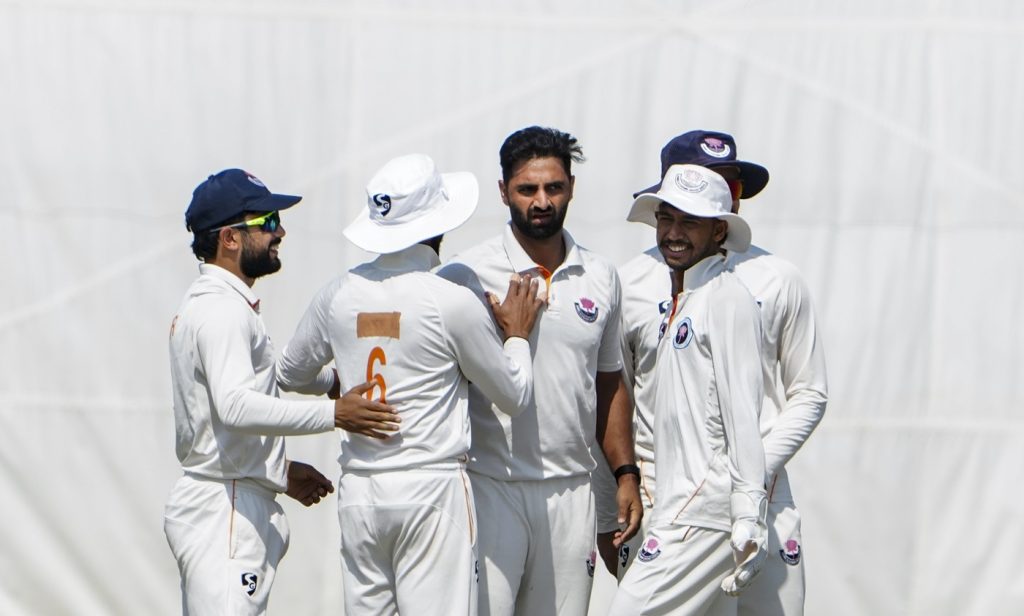
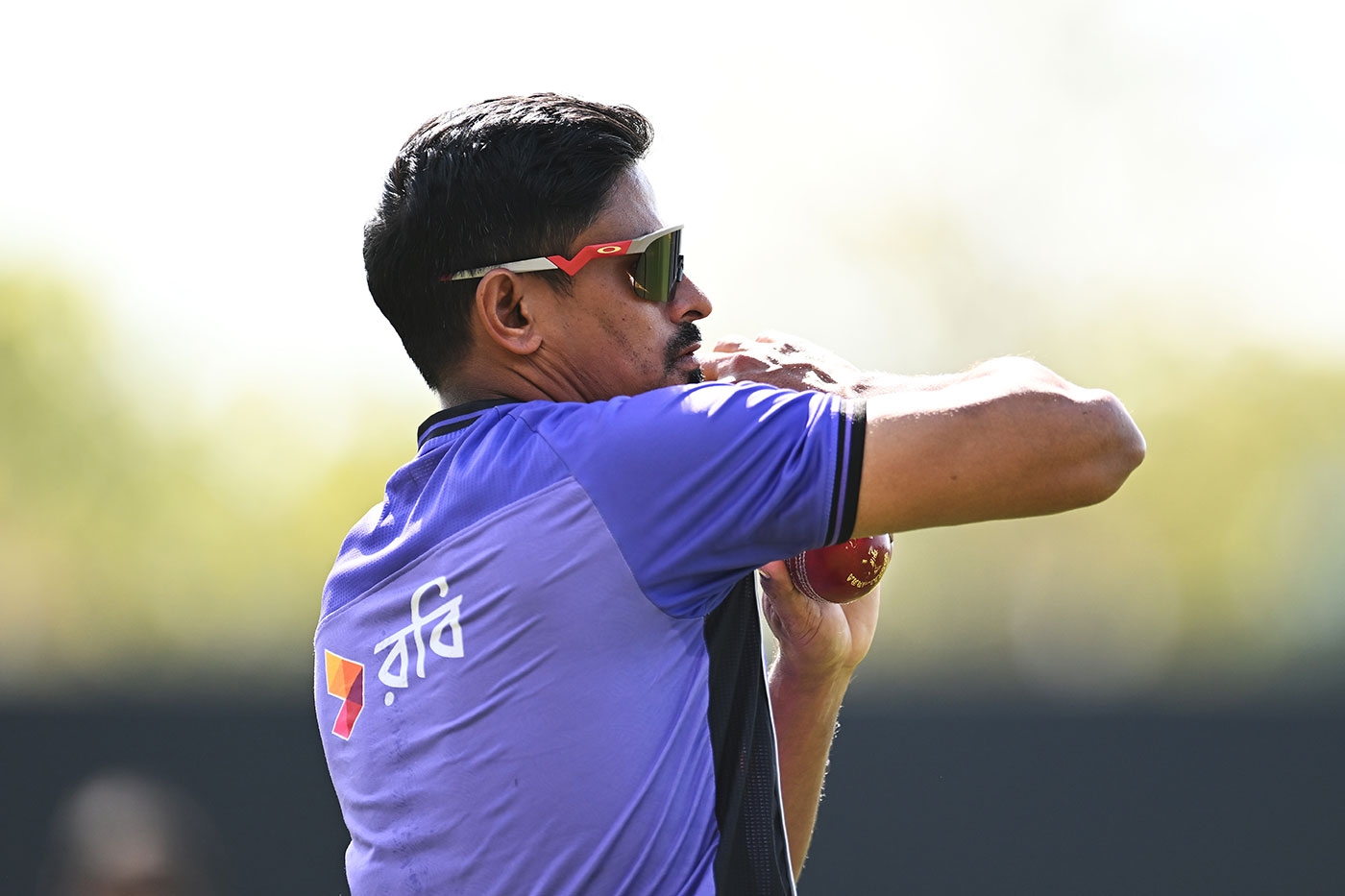
Kamboj was the story of the innings. He conceded only 22 runs in his full 10 overs, including two maidens, and picked up two wickets.
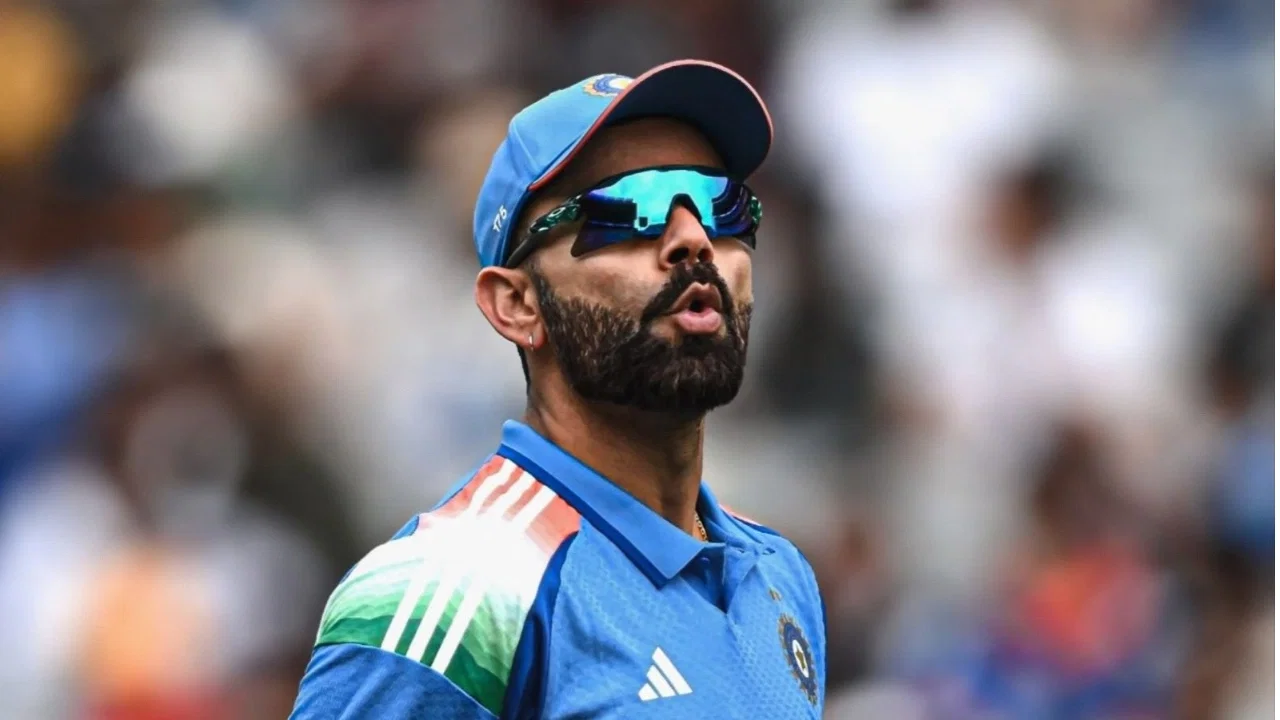
He removed captain Mitchell Santner and then Nathan Smith. Virat Kohli took a sensational one-handed catch at second slip to dismiss Smith.
The numbers are striking. His 22 runs are the joint-fewest by an Indian pacer bowling a full 10-over quota in a men’s ODI since Javagal Srinath’s 13, also at Auckland. They are also the fewest by any Indian bowler across ten overs in a men’s ODI since 2016.
A Big Turnaround From Debut
The performance looks even better against his earlier outing. Kamboj’s only previous ODI came in the home series against West Indies at the PCA New Cricket Stadium in New Chandigarh. He played after Prasidh Krishna was ruled out with a hamstring injury.
The Chennai Super Kings pacer went for 82 runs in nine overs on that debut. Those conditions were batting-friendly, and the ball did not swing much.
Bowling-friendly conditions in Auckland gave him a better platform, and he used his intelligence to exploit them. Consistency will now be the key if he wants a place in the ODI World Cup squad.
Arshdeep Singh Writes His Name in History
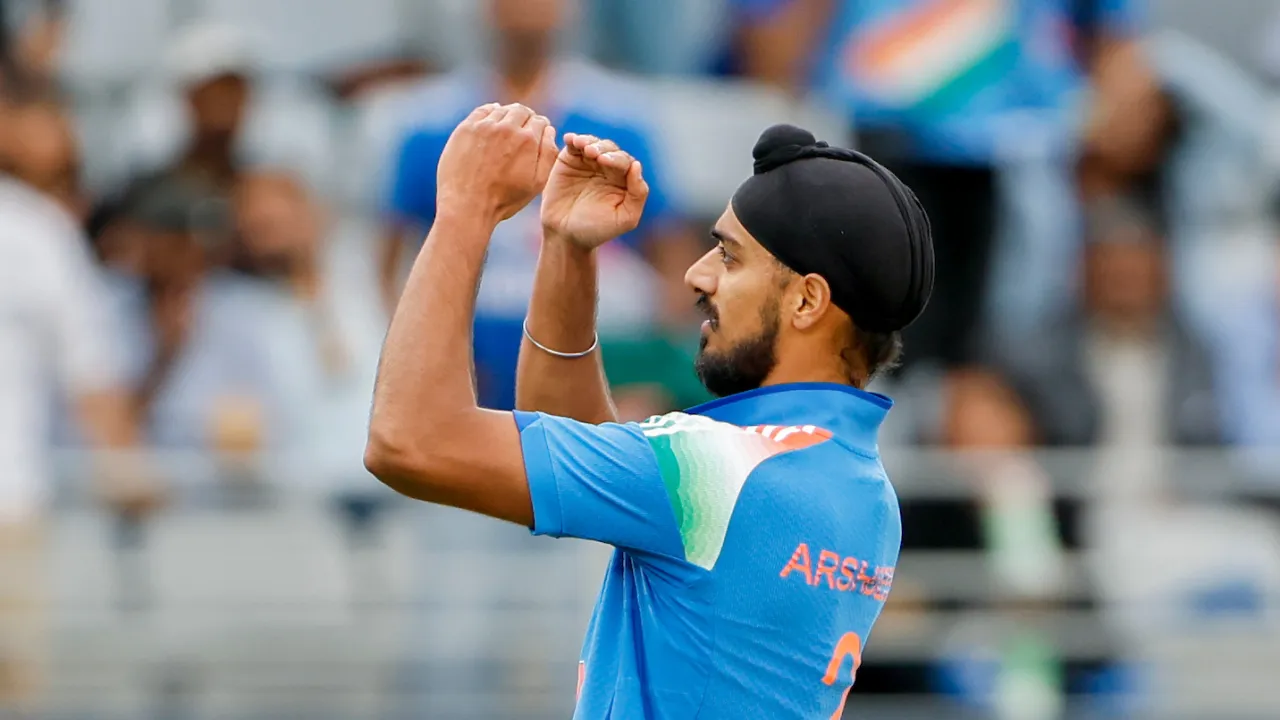
Arshdeep, the most experienced member of this attack, dismantled the Kiwi batting order. The left-armer finished with 4/70 from his 10 overs.
His victims were Will Young (9), Henry Nicholls (9), Kyle Jamieson (1) and Glenn Phillips (30). Each wicket tightened India’s grip on the match.
Joining an Elite List
Arshdeep became only the third Indian fast bowler to take a four-wicket haul in an ODI in New Zealand. Javagal Srinath did it twice, in 1995 and 2002, and Mohammed Shami did it in 2014.
Joining that company is a notable moment for a bowler leading a young group. His experience steadied the attack while Kamboj squeezed the runs from the other end.
Big Test for Gill’s Captaincy
This series carries extra weight for Shubman Gill. He lost the home ODI series against the Black Caps 2-1, and he would love to answer that with a win away from home.
A series victory here would be his first in the SENA countries (South Africa, England, New Zealand and Australia). A dominant bowling display is a strong first step toward that goal.
What Comes Next
The five-match series now moves to Wellington for the second ODI. India will want to keep the same intensity, while New Zealand must find answers against disciplined, attacking pace bowling.
The batters now have a modest target to chase, and the bowlers have already done the heavy lifting. The challenge for India is to turn this early control into a lasting series lead.