
Now Reading: Kane Williamson is tired of the ‘good guy’ label
-
01
Kane Williamson is tired of the ‘good guy’ label


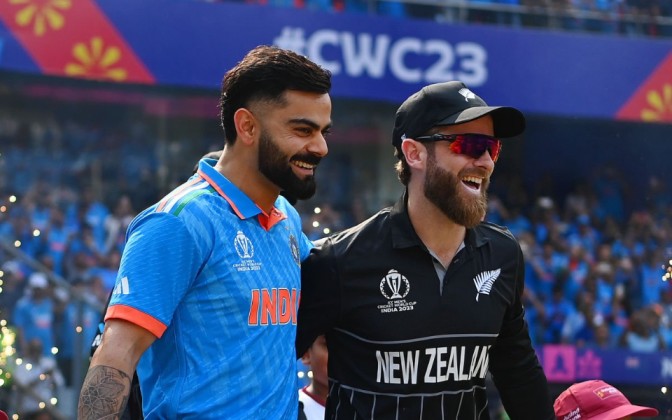
Kane Williamson has spent years being praised for his calmness, humility and composure, but the New Zealand captain now says the familiar “good guy” label has worn thin. In a candid discussion, Williamson suggested the image may reveal as much about outside perception as it does about the team itself.
The Black Caps batter, long admired for his measured manner on and off the field, made it clear that he is not interested in being packaged as cricket’s most agreeable man. For Williamson, authenticity matters more than the reputation that followed New Zealand after the 2019 World Cup final.
Williamson pushes back on the label
Speaking on Stick to Cricket, Williamson said the repeated references to humility can become exaggerated. “Humility gets thrown around a lot, I reckon, and often it can probably be acted. But for us, it’s just trying to stay authentic,” he explained.
He was even more direct when the conversation turned to the image attached to him and his side. “Even the ‘good guy’ tag, I’m just sick of it, to be fair,” Williamson said. “You’re just trying to do what you do in a way that makes sense to you.”
That response cuts through a narrative that has followed New Zealand cricket for years. The team’s quiet professionalism is often praised as a virtue, but Williamson’s comments show he believes that shorthand can flatten the reality of competitive sport.
How the 2019 final shaped the perception
Much of the reputation stems from Lord’s in 2019, when New Zealand tied the final, tied the Super Over and lost on boundary countback. Williamson’s reaction in the aftermath was widely applauded, especially because few would have blamed him for reacting with anger or disbelief.
Yet Williamson described the moment less as a triumph of grace and more as a blur of confusion. “It was quiet, a few beers, and every five minutes, you know, ‘What the hell just happened there?’ And then you kind of crack on and go back to that thought,” he recalled.
The image of a composed captain became one of the defining sporting snapshots of that tournament. But Williamson’s latest comments suggest that being remembered mainly for dignity in defeat can feel limiting when there is so much more to his career.
A dressing room in shock, not celebration
Phil Tufnell told Williamson the team’s reaction had been remarkable, admitting he would have been furious in the same position. Williamson, however, said the experience was even more intense because it kept coming back whenever people mentioned it afterwards.
“The final experience was tough. Probably afterwards, in the months following it, you were actually sort of bumping into people constantly, and they’d watched it and just lived through it. It was massive,” he said.
“But you have a little less emotion when you’re directly involved.”
That insight helps explain why the label has become irritating. For everyone else, it became a story about grace under pressure. For Williamson, it was a painful loss that was replayed endlessly in conversations, headlines and public memory.
It also reflects how quickly sport can turn into mythology. In this case, the mythology of the calm, noble loser may have obscured the real sporting debate about the final and the controversial boundary countback rule that decided it.
More than a final, more than a stereotype
Williamson’s frustration is easier to understand when his record is considered in full. He has scored more than 9,000 Test runs, is New Zealand’s leading century-maker, and captained the side to the 2021 World Test Championship title. Those achievements define his career far more than one heartbreaking afternoon at Lord’s.
Still, the 2019 final has overshadowed everything for many casual fans. That is partly because the match ended in one of the most controversial finishes in modern cricket, and partly because Williamson’s composed response became a symbol of sportsmanship.
“The praise for his dignity replaced scrutiny of the result,” one reading of the episode suggests, and Williamson appears ready to challenge that framing. His point is not that New Zealand should be seen as aggressive or boastful, but that they should be seen as genuine competitors first.
What Williamson is really asking for
The most striking part of his comments is not anger but fatigue. He is not trying to tear down the respect New Zealand cricket has earned. Instead, he is asking for a more honest description of who the team is and what they have achieved.
That makes this a bigger conversation than one interview quote. It is about how sporting cultures create narratives that can be flattering, but also restrictive. In Williamson’s case, the “good guy” tag may have started as praise, but it has now become a box he no longer wants to live inside.
And perhaps that is the real turning point here. Williamson is reminding everyone that elite athletes are not characters in a neat script. They are competitors, leaders and winners, and they do not want their identity reduced to how politely they handled defeat.