Now Reading: Bali Showdown: ICC Debates Opening the World Test Championship to All 12 Full Members
-
01
Bali Showdown: ICC Debates Opening the World Test Championship to All 12 Full Members


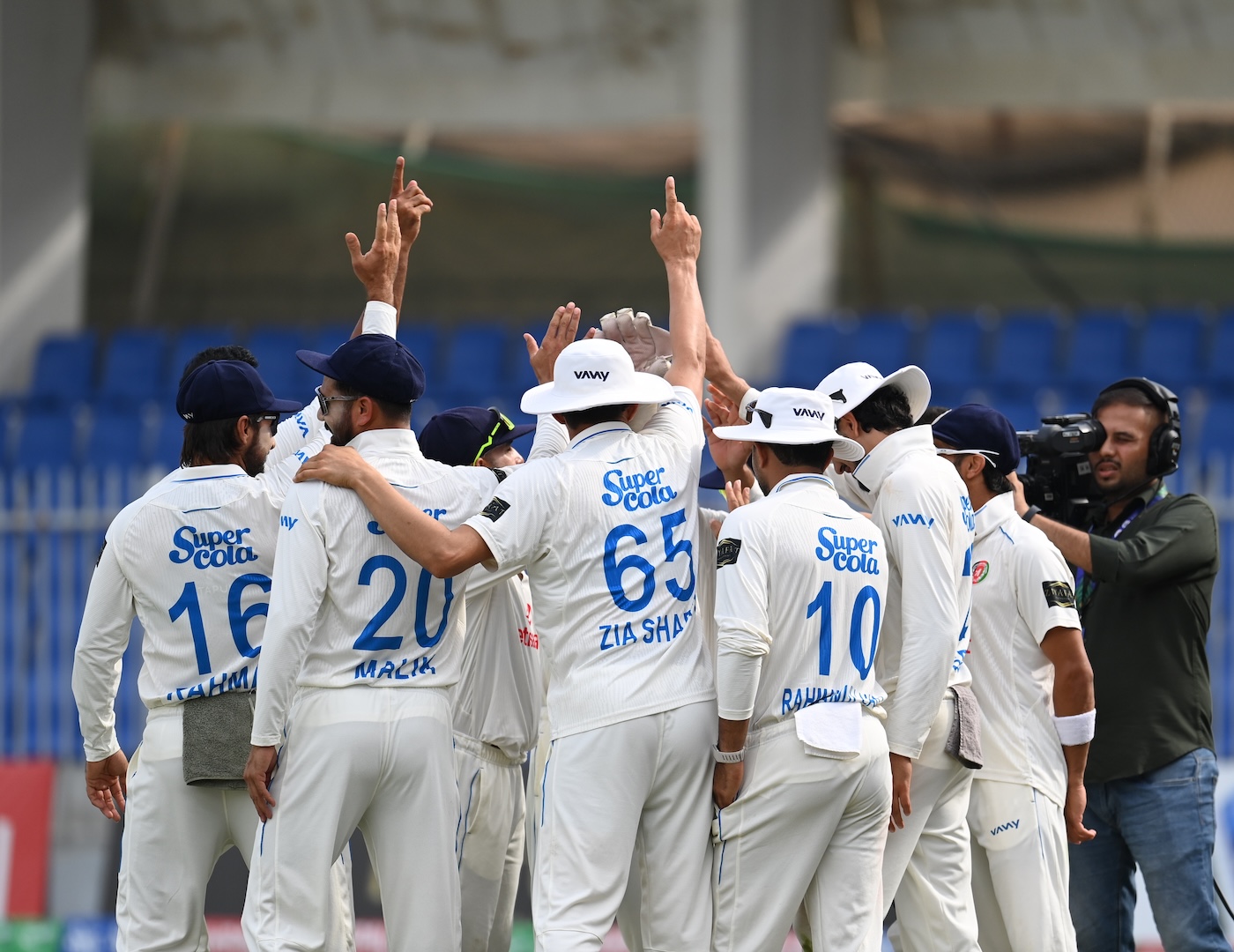
The future of Test cricket is on the table in Bali. ICC board and committee meetings began on November 11 and run through November 15, with one proposal stirring the most debate: opening the World Test Championship to all 12 Full Members. Nine teams play in it today.
Why the WTC Expansion Is Dividing Boards
The core question is simple. Should the WTC stay at nine teams, grow to ten, or include every Full Member? Afghanistan and Ireland remain outside the competition, and their place in the next cycle is unresolved.
Reports say the England and Wales Cricket Board has opposed a fully expanded 12-team format. That makes a ten-team competition look like the likelier compromise if expansion goes ahead.
| WTC Option | Teams | Who Is Left Out |
|---|---|---|
| Status quo | 9 | Zimbabwe, Afghanistan, Ireland |
| Compromise | 10 | Afghanistan, Ireland |
| Full expansion | 12 | None |
Zimbabwe: First in Line for a WTC Spot?
Activity Strengthens Their Case
Of the three excluded Full Members, Zimbabwe appears closest to a place. One scenario under discussion is a ten-team WTC that brings them in and keeps Afghanistan and Ireland out, at least for the next cycle.
Zimbabwe played ten Tests in 2025 and two more in 2026. Those were one-off fixtures, not part of a bilateral championship framework.
Big Fixtures on the Horizon
England are set to tour Zimbabwe for at least one Test in 2028. The sides last met in a series in 2004, and their Test head-to-head stands at seven matches. Zimbabwe also hold the only drawn series between them, a 0-0 result across two Tests in December 1996.
Zimbabwe are due to tour South Africa for Test cricket in 2027. Whether Australia will visit in the next cycle is still unclear.
The Wider ICC Agenda in Bali
The Bali meetings cover more than the WTC. Proposed WTC match-ups for the 2027-29 and 2029-31 cycles are expected to be presented, along with a broader look at the 2027-2031 Future Tours Programme. The McKinsey strategic review of international cricket’s structure and revenue model is also tabled.
A Governance Review Committee chaired by BCCI secretary Devajit Saikia will present initial recommendations on ICC governance reforms. A fuller review of governance structures is to follow.
Afghan Refugee Women’s Cricket
A special ICC task force is due to present its proposed development pathway for Afghan refugee women’s cricket. It was re-constituted after the annual conference in Edinburgh earlier in 2026. Its roadmap includes qualification pathways toward 2030 and potential fixtures for a refugee women’s team programme.
What Next for ODIs?
The ODI format is also under discussion. Twenty countries currently hold men’s ODI status, including eight Associate nations. Some Associates have pushed for as many as 32 teams, but that is widely regarded as unlikely to succeed in its current form.
The expectation is that ODIs will be played less often in the next cycle. The schedule is likely to lean more heavily toward T20Is and cluster around the 2030 and 2031 ODI World Cup windows.
| Key Number | Detail |
|---|---|
| 9 | Teams currently in the WTC |
| 12 | Full Members in the expansion proposal |
| 20 | Countries with men’s ODI status |
| 8 | Associate nations with ODI status |
| 32 | ODI teams some Associates want |
| 10 and 2 | Zimbabwe Tests in 2025 and 2026 |
Beyond the Boundary: North America Plans
Cricket West Indies is exploring white-ball series in North America, with Toronto and Washington DC named as potential venues. Washington Freedom, an MLC franchise with commercial ties to Cricket Canada, is involved in plans for a 10,000-seat cricket stadium in Frederick, Maryland. The site is about 45 miles north of Washington D.C.
What Happens Now?
The meetings run until November 15, and the WTC debate is the one to watch. A ten-team compromise looks the most workable route, since it rewards Zimbabwe’s recent activity without the full 12-team expansion that some boards resist. The final decision will shape Test scheduling for years to come.