Now Reading: Cricket Australia set to back Pat Cummins amid fallout
-
01
Cricket Australia set to back Pat Cummins amid fallout


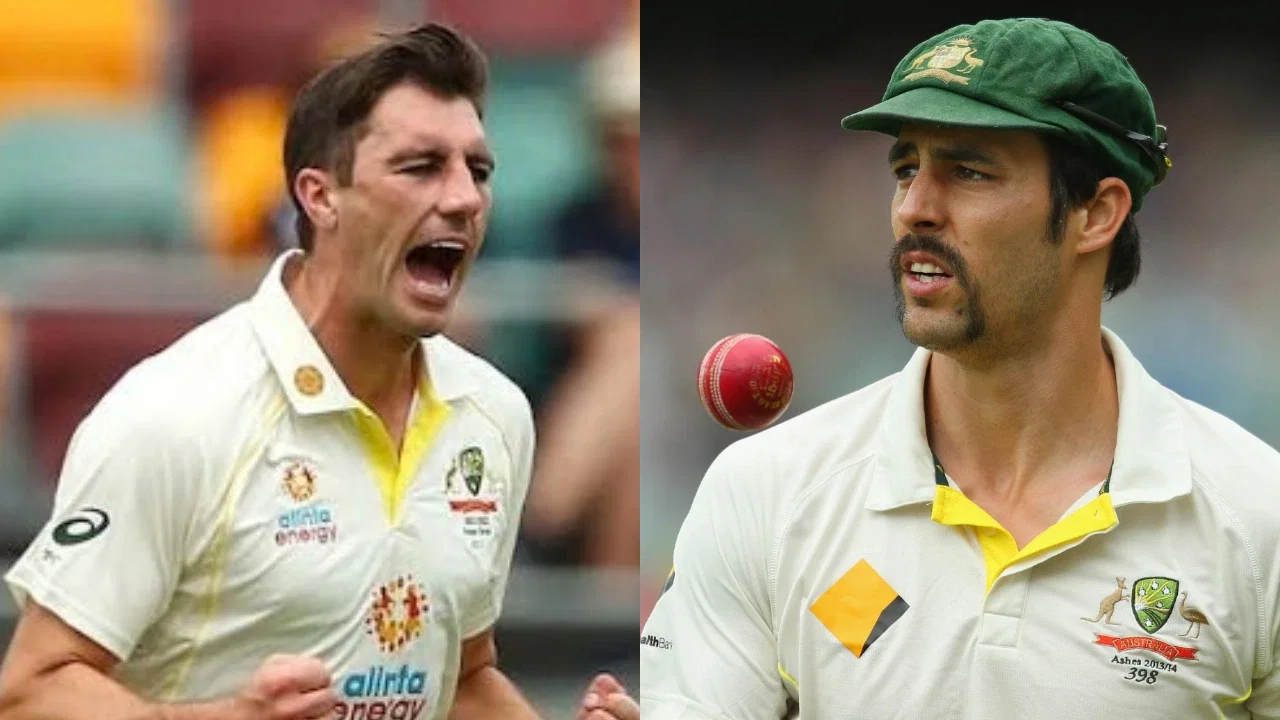
Cricket Australia is preparing to publicly back Pat Cummins as the fallout from Cameron Bancroft’s explosive Sandpapergate revelations continues to ripple through Australian cricket. With the 2018 Cape Town Test back under scrutiny, the board faces a familiar but uncomfortable task: support its captain while the unanswered questions keep growing.
Board support appears to hold
According to reports, Cummins has made it clear to senior officials that he wants to remain Test captain despite the renewed attention on the scandal. Cricket Australia directors have held several meetings since Bancroft’s statement was released, and the early signs point toward a public endorsement of Cummins, possibly as soon as Saturday.
The timing matters. Australia’s leadership is trying to move quickly before the issue dominates the build-up to the home summer, particularly with the first Test against New Zealand set to begin in Perth on December 9.
Cummins has not changed his stance
Cummins’ camp has also remained consistent. His manager, Neil Maxwell, has insisted the captain will not retreat from his public position that he had no knowledge of sandpaper being taken onto the field in South Africa or of any plan to illegally alter the ball.
That denial has not shifted, even as pressure builds for Cummins to answer Bancroft’s specific claims about bowlers allegedly being involved in the altered-ball episode. When approached outside his Sydney home on Friday, Cummins declined to comment.
A controversy that refuses to fade
Bancroft’s lengthy statement reopened one of the darkest chapters in Australian cricket and pulled old questions back into the spotlight: who knew, who approved it, and who stayed silent? The latest claims do not just revisit the past; they threaten to reshape how the public remembers the team’s leadership at that time.
That is why the board’s expected show of support does not fully settle the matter. Backing Cummins as captain is not the same as answering the substance of Bancroft’s account. For now, the focus remains on confidence, not closure.
“I think it would be a real shame if this ended here,” said Australian Cricketers’ Association chief executive Paul Marsh, who argued the team’s culture under Cummins has been strong.
Marsh’s comments reflect a broader line of defence inside parts of Australian cricket. He suggested the controversy is being judged through today’s standards rather than the norms of the time, and he praised the leadership group for the culture they have built over the past five years.
Support inside cricket, but not from everyone
The players’ union has firmly sided with Cummins. Marsh said the dressing room would not want to see the captain step away and pointed to the positive influence he has had on the current squad. Usman Khawaja’s own public comments and writing have also been cited as evidence of the respect Cummins commands.
Still, not everyone sees the issue the same way. Former fast bowler Mitchell Johnson has argued that the pressure on Cummins may become too much to withstand, and that the captain’s public image could take a lasting hit if the controversy continues to intensify. His view stands in contrast to the board’s likely path.
Why the forum matters
Cricket Australia’s independent forum, announced earlier in the week, may be the most important mechanism now in play. Players and staff from the 2018 tour have been invited to share their recollections in a private, voluntary setting. That could help clarify what happened, but it may never produce a public version of events.
That limitation is crucial. The forum may offer internal closure, yet it may not satisfy the wider cricket public, which wants a direct and definitive account. If Cummins still has not spoken for himself by the time Australia faces New Zealand, the questions will only grow louder when he walks out with a bat in hand.
| Key development | Current position |
|---|---|
| Cricket Australia stance | Expected public support for Cummins |
| Cummins’ position | Wants to remain captain |
| Public pressure | Growing after Bancroft’s statement |
| Next major checkpoint | First Test vs New Zealand in Perth, December 9 |
For now, the board appears ready to protect its captain. But the bigger question remains unanswered: can public backing hold if the story keeps pulling Australian cricket back into Sandpapergate’s shadow?