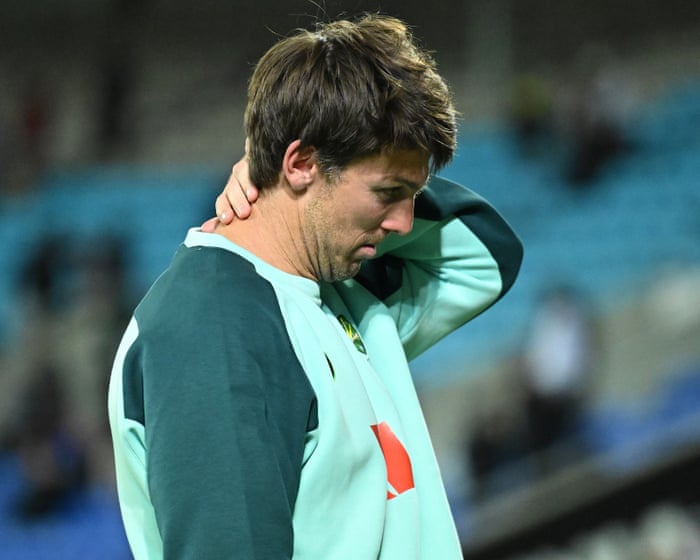



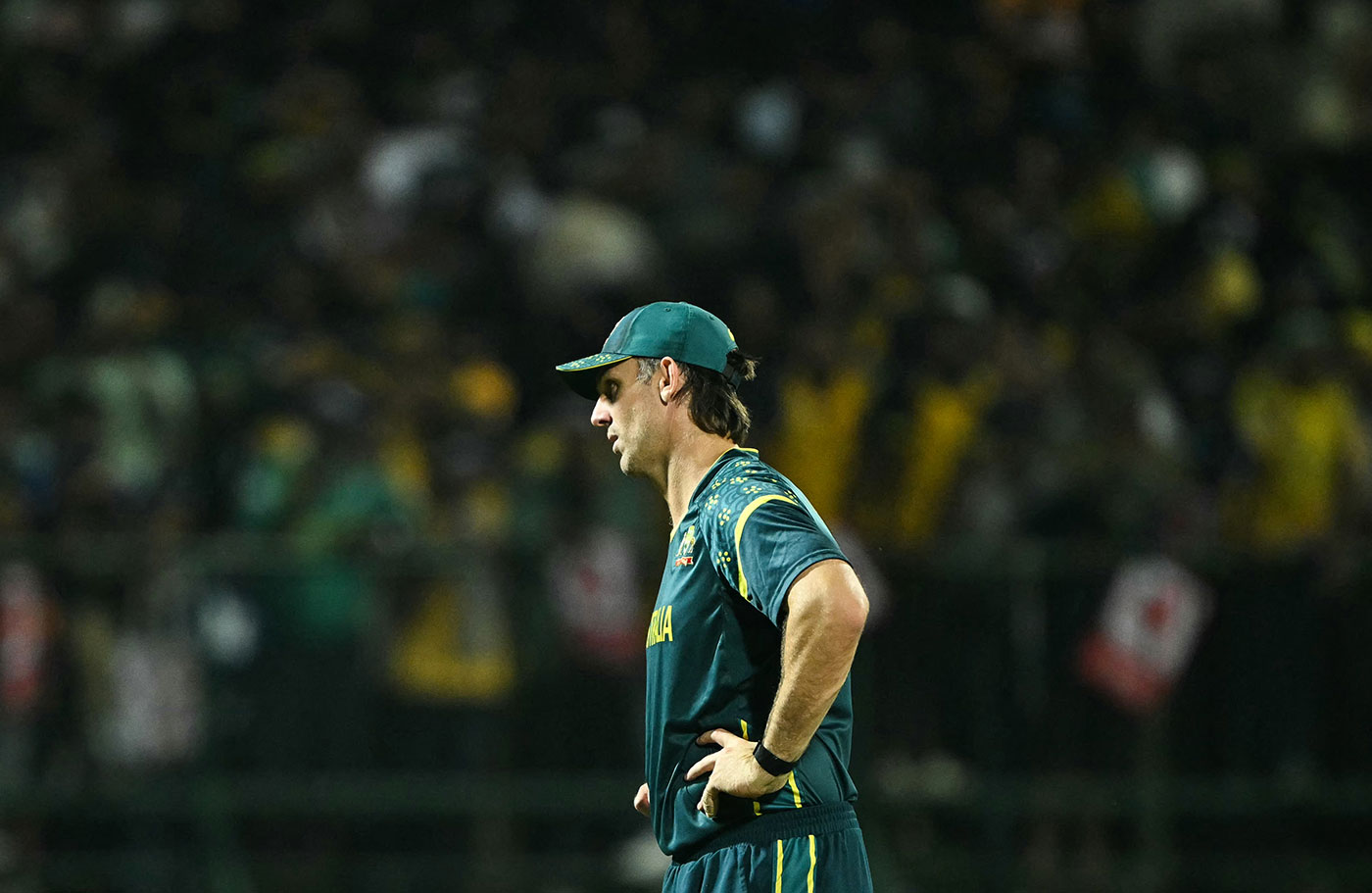
Michael Clarke has reignited one of Australian cricket’s most uncomfortable chapters, arguing that Sandpapergate should never have been treated as a burden for only three players. Speaking on the Beyond23 Cricket Podcast, the former Australia captain said the entire squad should have stood together and accepted collective responsibility for the 2018 Cape Town ball-tampering scandal.
Clarke’s comments come after Cameron Bancroft claimed the whole Australian group knew sandpaper was being used on the ball during the third Test against South Africa in March 2018. The issue, already one of the most controversial episodes in modern cricket, has resurfaced with fresh scrutiny and new public debate.
Clarke: The team should have faced it together
Clarke said the punishment handed to Steve Smith, David Warner and Bancroft was too severe, but he also made clear he believed the fallout should have been shared more openly across the group. His view was simple: if the team knew, then the team should have owned it.
“One in, all in,” Clarke said, describing what he believed the Australian response should have been. He added that if he had been captain at the time, he would have fronted the media alone and taken personal responsibility for the situation.
That stance, Clarke suggested, would have reflected the Australian sporting identity he knows best. “That is my responsibility,” he said on the podcast, stressing that leadership means absorbing the pressure when a crisis hits.
Press conference choices under the microscope
Clarke also addressed how the infamous press conference should have been handled. He said he respected the fact that Smith brought his coach with him when speaking publicly, even though Clarke would have approached the moment differently.
His comments add another layer to a story that has never fully disappeared from Australian cricket’s memory. The 2018 press conference remains one of the most replayed and discussed moments in the sport’s recent history, largely because of the shock surrounding Smith and Bancroft’s admissions.
At the time, Cricket Australia handed Smith and Warner one-year bans, while Bancroft received a nine-month suspension. Smith later said the incident was pre-planned and pointed to the leadership group’s involvement, leaving the scandal to cast a long shadow over the national side.
| Player | Penalty | Role in incident |
|---|---|---|
| Steve Smith | 1 year ban | Captain at the time |
| David Warner | 1 year ban | Vice-captain |
| Cameron Bancroft | 9 month ban | Used sandpaper on ball |
Bancroft’s frustration back in focus
Clarke also showed understanding for Bancroft’s disappointment, saying the batter did not get much of a chance to force his way back into the Australian side. That point matters because Bancroft’s career has often been discussed in the context of what might have followed if he had returned sooner.
The renewed debate has also been fuelled by Usman Khawaja’s book Sabr, which revisits the Cape Town Test and the wider fallout from the scandal. Clarke criticised the idea of selective storytelling around the episode, taking aim at phrases such as “my truth” when different voices continue to revisit the same event in different ways.
“Cricket is the number one sport in Australia,” Clarke said, arguing that the issue remains sensitive because the original investigation was not thorough enough eight years ago. His comments suggest the sport still has unfinished business when it comes to fully accounting for what happened.
Why the debate keeps returning
Sandpapergate has remained a live topic because it was never just about one act on one afternoon. It touched leadership, culture, accountability and the public image of Australian cricket, making it far bigger than a single disciplinary case.
That is why every new recollection, interview or book excerpt seems to reopen old wounds. Clarke’s latest intervention does exactly that, especially with his insistence that collective responsibility should have shaped the response from the beginning.
Cricket Australia has already announced a forum where players and staff can share their accounts of the incident, although the format, date and participants have not yet been confirmed. That move suggests the governing body is still seeking a fuller picture of what happened in Cape Town and how it should be remembered.
Clarke, who captained Australia for four years and later lifted the World Cup as skipper, has now added his voice to a debate that still carries weight across the game. His message was not just about punishment, but about ownership, leadership and the expectation that the whole team stands together when scandal strikes.
“One in, all in” is the phrase Clarke believes should have defined Australia’s response.