
Now Reading: WTC points table shifts after India-New Zealand draw
-
01
WTC points table shifts after India-New Zealand draw


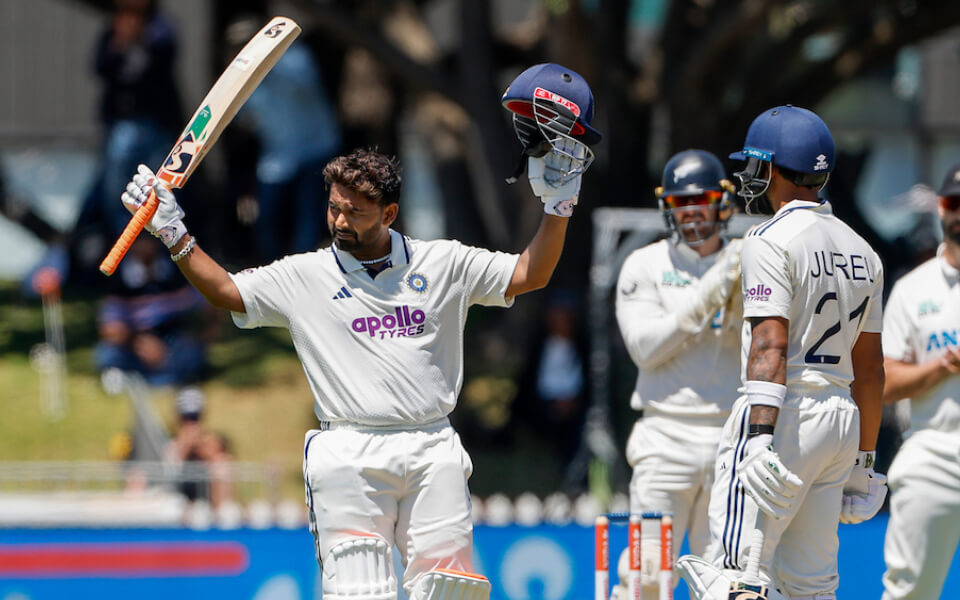
The India vs New Zealand first Test ended in a draw after five tense days, but the result still delivered a noticeable shake-up to the World Test Championship standings. India’s massive first-innings total of 720 set the tone early, yet the bigger story after the final ball was how the points table shifted around them.
Both teams earned four points from the draw, but the real damage came in percentage terms. New Zealand slipped down the order, Australia climbed into second place, and India stayed in fourth while the race for the 2025-27 WTC Final gathered more heat.
How the draw changed the WTC standings
The updated standings show South Africa leading the table with 72 points and a PCT of 75.00. Australia have moved into second with 108 points and a PCT of 69.23, while New Zealand have dropped to third after their points percentage fell from 72.22 to 66.67.
India remain fourth with 72 points, but their PCT has also dipped slightly, moving from 51.52 to 50.00. That small change matters in a tight qualification race, where every win, draw and percentage point can reshape the path to Lord’s.
| Team | Points | PCT | Position |
|---|---|---|---|
| South Africa | 72 | 75.00 | 1 |
| Australia | 108 | 69.23 | 2 |
| New Zealand | 72 | 66.67 | 3 |
| India | 72 | 50.00 | 4 |
Why New Zealand slipped below Australia
Percentage matters more than points
In the World Test Championship, points alone do not tell the full story. The PCT formula decides the standings, and that is why the draw proved costly for New Zealand even though they shared the points with India.
The Kiwis had entered the match with a stronger percentage, but the draw nudged them downward. Australia, meanwhile, benefited from the wider table movement and now sit ahead in the race.
“It’s the percentage table that keeps the pressure alive,” one cricket observer noted after the update. “A single result can change the picture more than fans expect.”
India’s path looks increasingly difficult
India still have six Tests left in the cycle, including the return fixture against New Zealand on November 27 and a five-match home-and-away battle against Australia. On paper, the number of games remains enough to influence the standings, but the mathematical ceiling is now the major concern.
Even if India were to win all six remaining Tests, their maximum possible PCT would reach only 66.67%. That leaves them in a near-impossible qualification scenario if the current table continues to tighten at the top.
It is a blunt reminder of how costly dropped wins can be in the WTC format. India have not lost ground dramatically in this match, but they also did not gain the full momentum that a victory would have brought.
New Zealand still have a stronger route
New Zealand, by contrast, still have seven Tests remaining and a broader set of opportunities to recover. Their upcoming schedule includes the second Test against India, a five-match series against Australia, and a two-match series against Sri Lanka.
If they can string together enough results, New Zealand’s maximum possible PCT stands at 85.42%, which keeps their qualification hopes alive. That does not make the route easy, but it does make it more realistic than India’s current position.
The takeaway from this draw is simple: the table has tightened, and the margin for error has become even smaller. South Africa remain on top, Australia are pushing, New Zealand have slipped but still have scope to recover, and India now face a steep climb.
WTC race set to intensify
The five-day draw may not have produced a winner on the field, but it clearly produced movement in the standings. As the WTC 2025-27 cycle continues, every Test will now carry extra weight, especially for teams hovering around the qualification line.
For India, the path to the final is suddenly dependent on more than just form. It now requires a near-perfect run, and even that may not be enough. For New Zealand, the door remains open, but only just.
The next round of matches will decide whether this draw becomes a small setback or a major turning point in the race to Lord’s.