
Now Reading: Gautam Gambhir Clears the Air on Sanju Samson’s Recall
-
01
Gautam Gambhir Clears the Air on Sanju Samson’s Recall


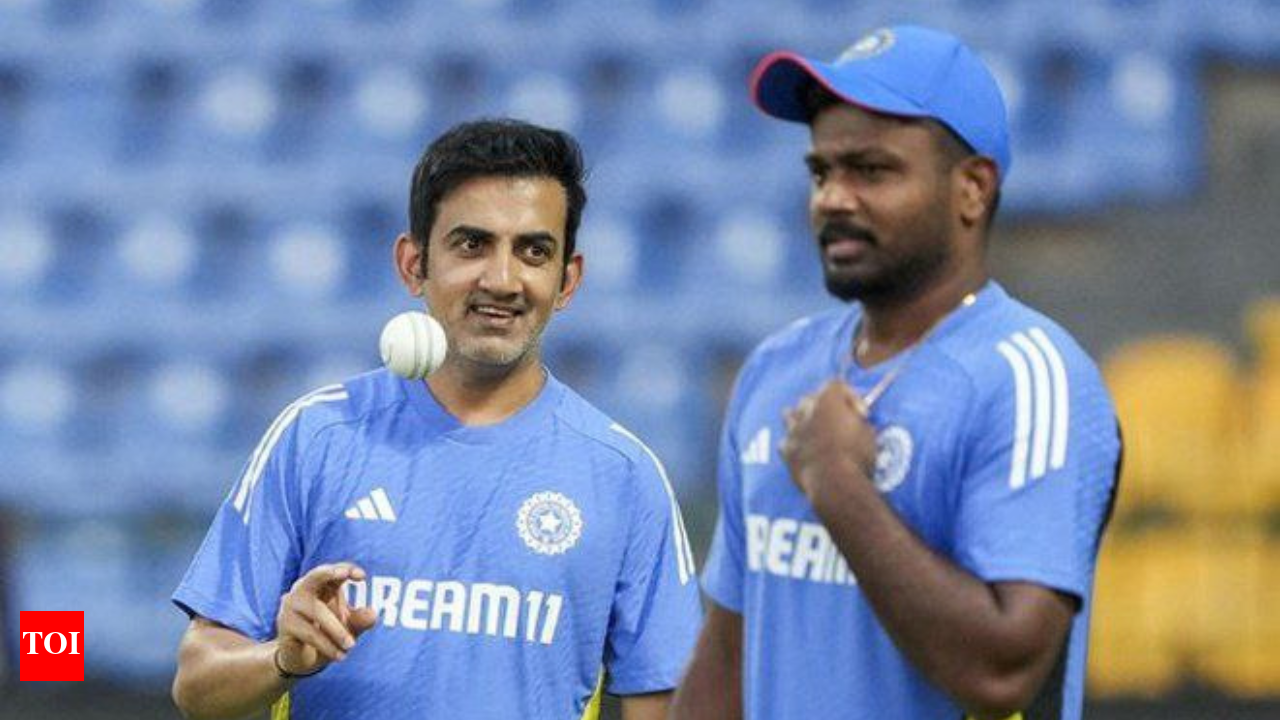
The recent T20 World Cup 2026 triumph for India has reignited discussions around the team’s strategies and key player decisions. Among them, the recall of Sanju Samson has become a focal point, especially concerning the off-spinner management narrative. Gautam Gambhir, India’s head coach, has emphasized that the decision to bring Samson back into the playing XI wasn’t about countering off-spin but rather enhancing the overall batting firepower.
Samson’s Impact: A Game Changer
India’s fortunes shifted dramatically after Samson was reintroduced into the squad for the Super 8 clash against Zimbabwe, following a disappointing 76-run loss to South Africa. Samson’s aggressive approach proved vital as he scored a rapid 24 runs off 15 balls against Zimbabwe. He went on to showcase remarkable consistency, achieving scores of 97*, 89, and 89, crucial in defending India’s T20 World Cup title.
In a candid interview on JioHotstar, Gambhir elaborated on the rationale behind revitalizing Samson’s position in the squad. He noted that prior to this change, Abhishek Sharma struggled significantly against off-spinners, often falling victim to them during crucial matches. Furthermore, Ishan Kishan’s unfortunate dismissal for a duck against South Africa highlighted the team’s dire need for a competent batsman capable of facing spin effectively.
Positive Reinforcement for Samson
Gambhir praised Samson’s exceptional talent, underscoring his ability to turn matches around, particularly in the powerplay overs. Despite Samson’s initial struggles, Gambhir expressed unwavering faith in his capabilities. The coach detailed how he personally communicated this critical decision to Samson during a casual conversation in the gym—marking a moment of reassurance for the player.
Samson’s return was not just a tactical decision but a testament to his skills and resilience. He ultimately won the Player of the Tournament award in the T20 World Cup 2026, scoring a total of 321 runs across five innings, maintaining an impressive average of 80.25 and a staggering strike rate of 199.38.
Reactions and Insights
Fans and analysts alike are reacting positively to Gambhir’s insights on Samson. The general consensus is that the decision to reinstate him has reinvigorated the Indian batting lineup and brought them closer to their championship goal. Discussions are heating up regarding Gambhir’s strategy and whether it was clear-sighted foresight or merely a fortunate gambit.
In the high-stakes environments of T20 cricket, such shifts can alter the trajectory of matches drastically. Samson’s ability to perform under pressure has redefined expectations not just for him, but for the entire team moving forward.
What’s Next for Team India?
As Team India continues its journey post-World Cup, the focus will be on building a robust team dynamic. Gambhir’s decision-making and commitment to adaptability will be essential for facing upcoming challenges. Projects like fostering young talent, blending them with seasoned players, and ensuring the squad remains cohesive will be critical in future tournaments.
Ultimately, the T20 World Cup campaign serves as a powerful reminder of how key player decisions can dramatically influence outcomes. Fans are eager to see how Gambhir’s strategies will evolve moving forward and whether Samson will continue to shine on the world stage.
What do you think about Gambhir’s approach? Should Samson lead the charge in future matches?