
Now Reading: India Eye Series Win in 2nd T20I vs Afghanistan
-
01
India Eye Series Win in 2nd T20I vs Afghanistan


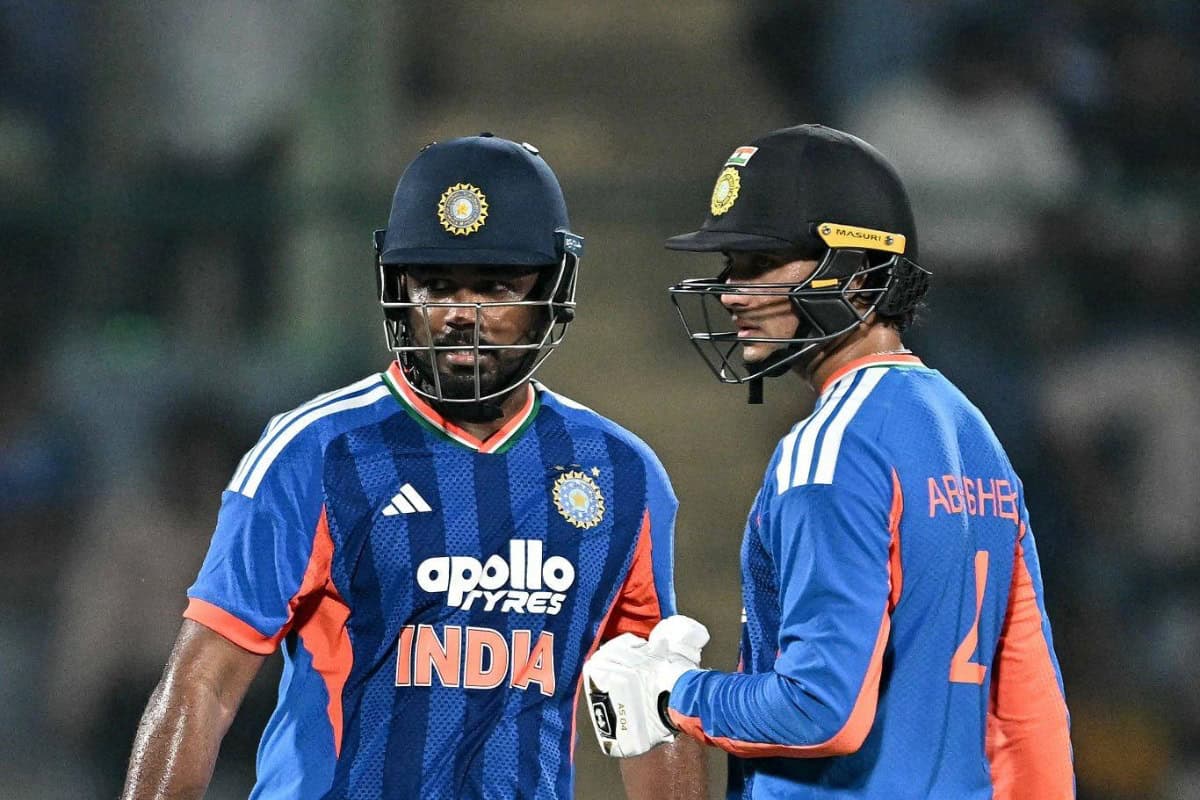
India enter the second T20I against Afghanistan with momentum, confidence and a clear objective: wrap up the series early. But even with the spotlight on the result, the bigger discussion sits in the team balance, where the fifth-bowler conundrum continues to shape selection calls.
A chance to finish the job
The first match set the tone, and now India have the opportunity to close out the contest before it stretches deeper. In short T20 series, that matters. A strong start reduces pressure, builds rhythm and gives the management room to test combinations without the burden of a do-or-die finish.
Afghanistan, however, are rarely easy opponents in this format. Their bowlers can squeeze scoring in the middle overs, and their batting has become increasingly capable of counterattacking when given a platform. That means India’s task is not just about winning, but winning with control.
Selection focus shifts to balance
The main talking point is India’s bowling composition. The question is not whether the team has enough quality. It is whether they have the right blend for the conditions and the opposition.
That is where the fifth bowler debate comes in. A lineup built around four frontline bowlers can sometimes leave captains exposed if one match-up goes wrong or a spell is disrupted. On the other hand, picking an extra bowling option can slightly weaken batting depth or reduce the flexibility of the side’s top order.
A team source close to such decisions would usually describe it as a “balance versus insurance” call. In modern T20 cricket, that trade-off often defines the difference between an aggressive XI and a safe one.
Why the fifth-bowler problem matters
The fifth-bowler issue is not a side note. It directly affects how India can attack Afghanistan’s batting plans, especially through the middle overs. If the first four bowlers are not enough to complete the full 20 overs, the captain must turn to part-time options under pressure.
That can work against weaker lineups, but against an adaptable team like Afghanistan, even one loose over can change the momentum. India will want control, variety and enough overs from specialists to avoid overworking the main bowlers.
| Key tactical area | Impact |
|---|---|
| Bowling depth | Determines whether India can protect match-ups in the middle overs |
| Batting balance | Extra bowling may reduce cushion in the lower middle order |
| Match control | Four strong bowlers can work only if one supports overs consistently |
That tension has become a familiar one in T20 cricket. Teams want explosive batting, but they also need enough bowling cover to survive off nights, flat pitches or sudden batting resistance.
Afghanistan’s threat remains real
Afghanistan’s growth in limited-overs cricket means India cannot treat this as a routine outing. Their attack has long been built around spin, discipline and pressure. If India allow the innings to drift, Afghanistan can quickly drag the match into a slower, more tactical contest.
That is why the powerplay and the first few overs after the fielding restrictions will be vital. India will look to set the tone early, force Afghanistan to defend, and then keep the scoreboard moving without handing back wickets at regular intervals.
As one analyst recently noted in a broader T20 context, “The best teams do not just hit hard. They control phases.” That idea fits this contest neatly. India may have more depth on paper, but phase control will decide whether that advantage shows on the scoreboard.
What India need from their batters
With the bowling balance under review, India’s batting group also has a role to play. If the top order gives a fast start, the selection debate becomes less risky. A strong total can allow the side to field one more bowling option without sacrificing much.
That is the hidden logic behind many T20 team sheets. A good batting platform buys tactical freedom. If India can reach a competitive position early, the fifth-bowler question becomes less of a burden and more of a strategic choice.
The middle order, too, will be expected to keep the innings stable if early wickets fall. In these games, partnerships matter as much as boundaries. A compact 25-ball stand can be worth more than a quick cameo if it keeps the innings on track.
Big picture for the series
For India, this second T20I is about more than just a possible series win. It is also a test of how well the squad can adapt under limited-overs pressure, especially when tactical decisions have to be made before the first ball is even bowled.
If they get the balance right, India can seal the series and move forward with clarity. If they get it wrong, Afghanistan have enough quality to exploit any gap. That is what makes the contest compelling: one team wants the clean finish, the other wants to force a rethink.
Either way, the night is set up around a familiar T20 question. Can India combine control, depth and pace of attack while keeping their bowling cover intact? The answer may define not just this match, but the team’s approach to the rest of the series.