
Now Reading: Gautam Gambhir backs Hardik Pandya but wants more game time
-
01
Gautam Gambhir backs Hardik Pandya but wants more game time


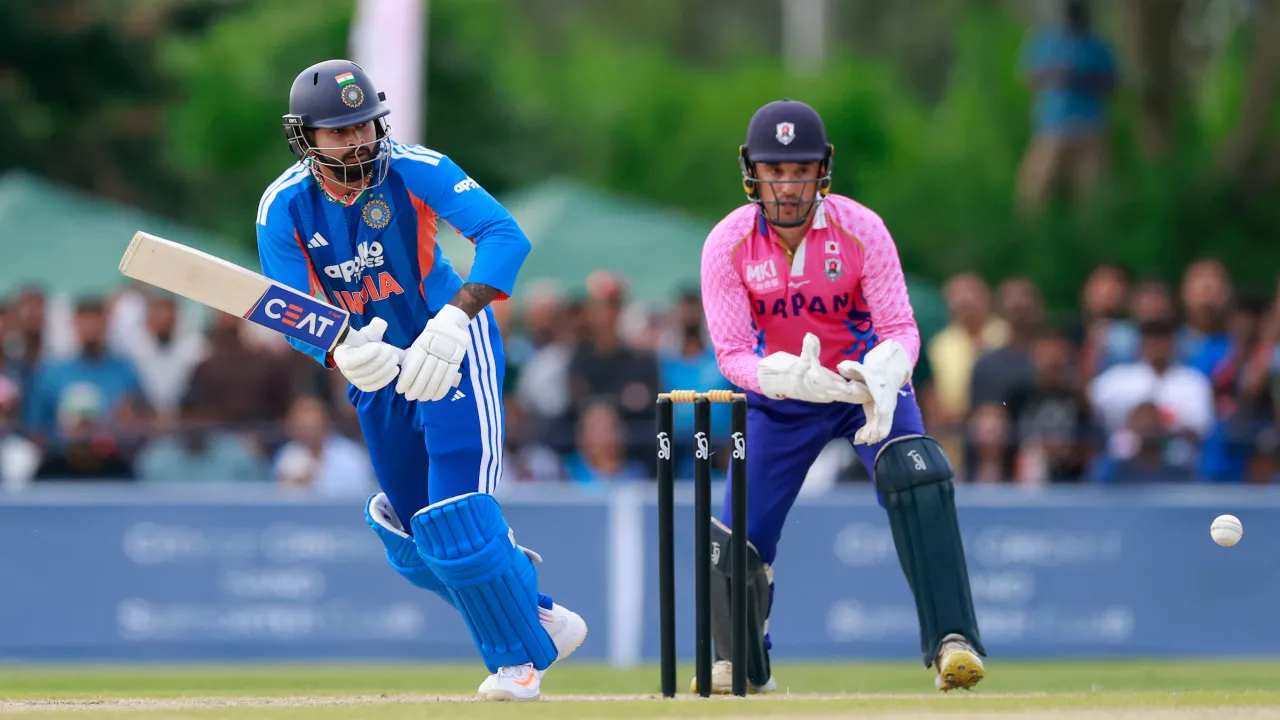
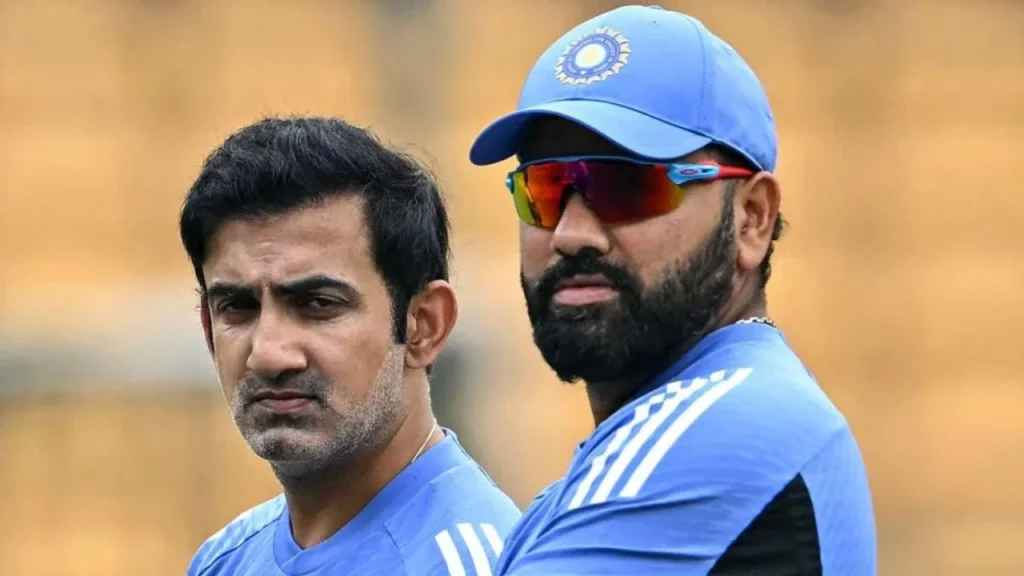
India’s build-up to the next ODI challenge has brought one familiar name back into the spotlight: Hardik Pandya. With the squad split between different assignments and the all-rounder still working his way back from injury, head coach Gautam Gambhir has made one thing clear — talent alone is not enough without match rhythm.
Gambhir’s message is simple: Hardik needs overs, not just recovery
Speaking on JioStar, Gambhir underlined why Pandya remains such a unique asset in Indian cricket. The head coach pointed out that very few players in world cricket can offer the same balance Hardik does — a seam-bowling all-rounder who can deliver up to 10 overs and still finish games with the bat in the middle order.
But Gambhir also drew a firm line between fitness and readiness. In his view, Hardik cannot simply return on reputation alone. He needs game time, rhythm and enough competitive cricket to handle the demands of a major tournament.
“If you talk about Hardik, very few teams have a player like that who can bowl 10 overs for you, plus bat at number six or seven, plus with that impact,” Gambhir said, according to India Today. “But he needs game time as well.”
Injury recovery has slowed the comeback
Pandya has been out of international action since the T20 World Cup 2026 and has spent recent months recovering from a quadriceps injury, calf strain and related leg niggles. He has also dealt with recurring back and ankle issues in the past, which have made workload management a central part of his return.
The latest reports also indicate that he has not played any cricket since May, and that he was not considered for the upcoming ODI series against the West Indies because he is not yet in a position to bowl a full 10 overs.
That detail matters. For an all-rounder whose value is built on balance, the ability to complete his bowling quota is non-negotiable at international level.
Why the World Cup timeline matters so much
Gambhir made it clear that the bigger picture is the 50-over World Cup. India do not want to rush one of their most impactful players back only to risk another breakdown later in the season.
According to the head coach, if Hardik is to be a serious option for the World Cup, he must play as many matches as possible before the tournament. The goal is not just to get him fit; it is to get him fully in sync with the demands of ODI cricket.
“Because after the IPL, he hasn’t played a lot of cricket. So if the focus is only that he has to play the 50-over format, then he might be short of cricket,” Gambhir explained. “Game time going into the World Cup is going to be extremely, extremely important. You cannot go there half-cooked.”
That line sums up India’s current approach: no shortcuts, no half measures, and no temptation to force a return before the body is ready.
India A call-up offers a controlled return path
In a sign that India are trying to rebuild Hardik’s rhythm in a structured way, he has been added to the India A squad for the 50-over game against Australia A starting from October 6. It gives the all-rounder a chance to test his body, regain confidence and gradually rebuild the workload needed for top-level ODI cricket.
For India, that is the ideal bridge between rehab and a full comeback. It reduces pressure, keeps the medical team involved and allows selectors to assess his progress in a competitive environment rather than in training alone.
Crucially, it also reflects how valuable Pandya remains to the ODI setup. Even while sidelined, his presence is still shaping selection plans and tournament preparation.
Gambhir also reinforces Test cricket’s importance
Alongside the Hardik update, Gambhir also used the opportunity to speak about the importance of red-ball cricket. The India head coach said that Test cricket remains the priority and that a strong Test team is the foundation of a strong cricketing nation.
He stressed that the modern game should not reduce the value of the longest format, even as T20 cricket continues to dominate attention and scheduling.
“When you are getting the new guys in, obviously trying to make them feel how important Test cricket is,” Gambhir said. “I’m a very big believer that a strong Test cricketing nation is a strong cricketing nation. It’s not the other way around. I’ve never believed that a strong T20 cricket nation is a strong cricketing nation. So red-ball still remains our priority.”
That statement fits neatly into Gambhir’s broader message as coach: India must stay competitive in all formats, but the standards of Test cricket cannot be compromised.
What this means for India now
For now, Hardik’s return will be handled carefully, and that caution appears justified. India need him fit, fresh and fully capable of doing the hardest job in modern white-ball cricket — contributing with both bat and ball at the highest level.
The next few weeks will be crucial. If Pandya can stack up overs, batting time and confidence, he could become a major factor again in India’s ODI plans. If not, the team may continue to wait rather than force the issue.
And that may be the clearest sign of all: in Gambhir’s India, Hardik Pandya is still essential, but only if he is ready to be fully Hardik Pandya.