Now Reading: Why Hardik Pandya’s MI Exit Finally Made Sense
-
01
Why Hardik Pandya’s MI Exit Finally Made Sense


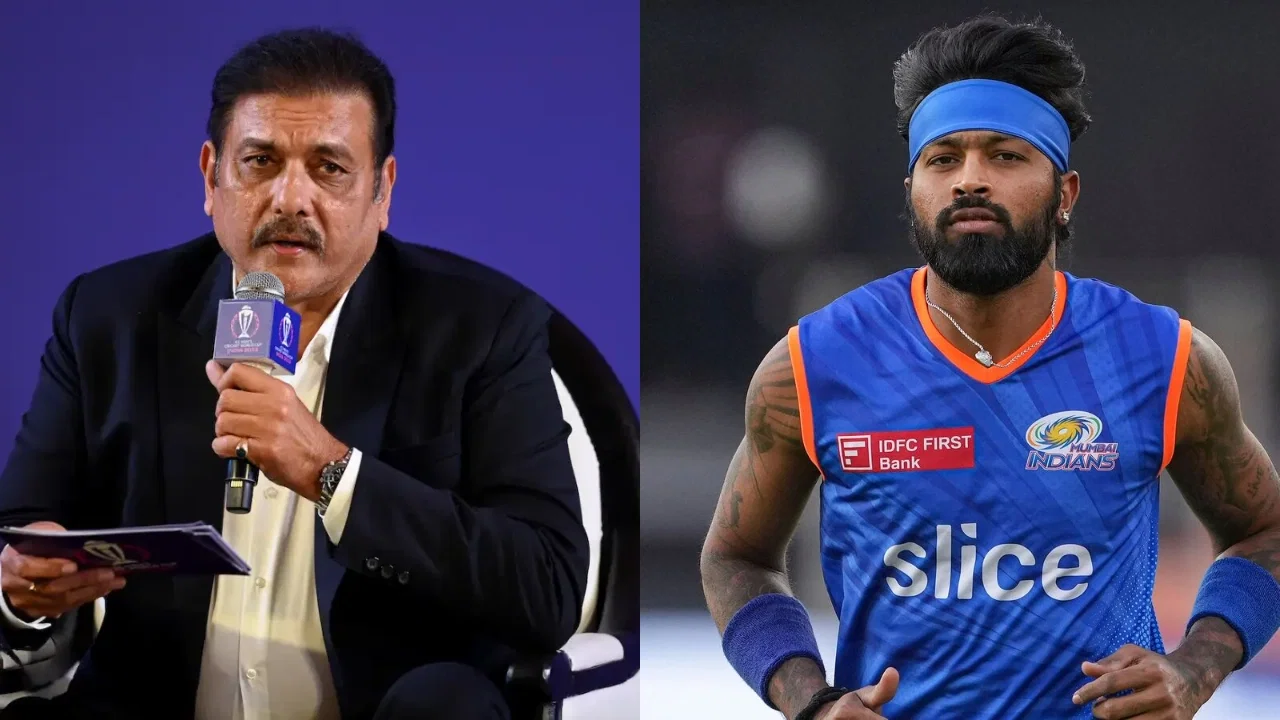
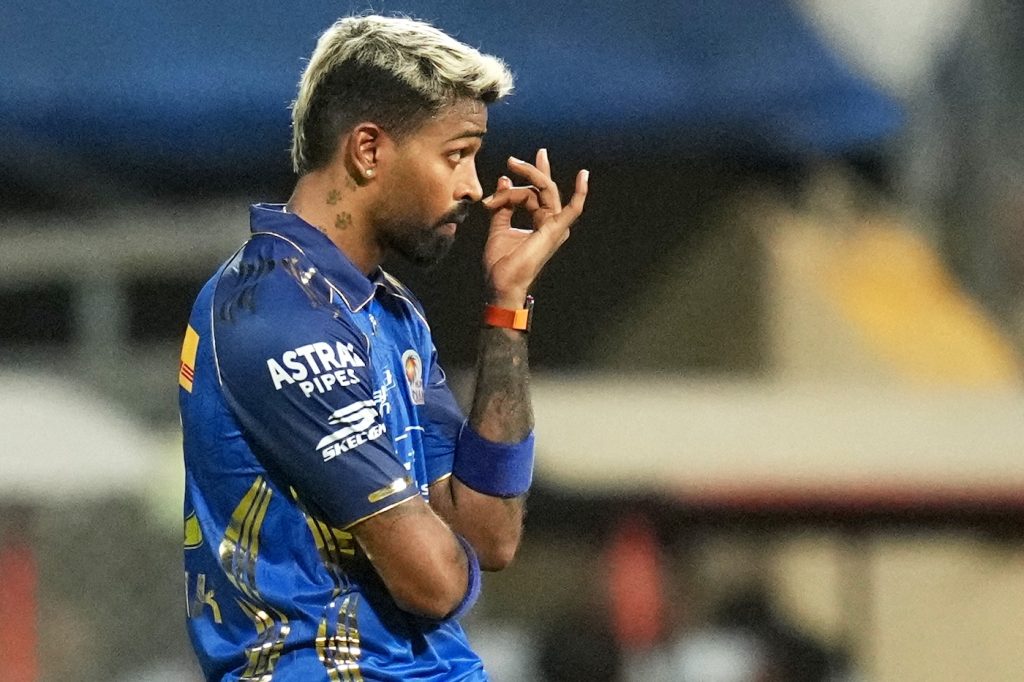
Hardik Pandya’s second chapter with Mumbai Indians has come to a dramatic end, and the reasons go far beyond a simple transfer. After years of shifting expectations, fan anger, and dressing-room tension, the all-rounder has now formally moved to Punjab Kings ahead of the IPL 2027 campaign.
The deal, structured as a straight swap with India fast bowler Arshdeep Singh, closes one of the most debated captaincy experiments in recent IPL history. For Mumbai, it is the end of a bold gamble. For Pandya, it is the end of a return that never fully settled into rhythm.
How the MI-Pandya story unraveled
Pandya first became a Mumbai Indians player in 2015 and spent six seasons shaping his reputation at the franchise. It was in Mumbai that he rose from promising all-rounder to one of India’s most recognisable cricketing names. His first stint with MI also helped set the stage for his international career.
Then came the first major twist. Ahead of IPL 2022, Pandya left MI and joined the newly formed Gujarat Titans, where he was immediately handed the captaincy. That move proved successful almost at once, as he led GT to the title in their debut season and followed it with another final in 2023.
But the return to Mumbai in 2024 created instant pressure. MI signed him in a high-profile trade and then made him captain, replacing Rohit Sharma in a decision that sparked a fierce reaction from supporters. The backlash was immediate and loud, and it framed the entire second stint from day one.
The captaincy call that changed everything
The decision to remove a five-time IPL-winning skipper and hand the team to Pandya was always going to be controversial. It was not just a cricketing move; it became an emotional flashpoint for a fan base that had built years of loyalty around Rohit Sharma’s leadership.
That emotional break quickly spilled into public view. During IPL 2024, Pandya was booed by sections of the Wankhede crowd, a rare and powerful sign of how fractured the relationship had become. Mumbai finished last that season with only four wins in 14 matches, and the noise around the captaincy only grew louder.
One quote from Pandya’s earlier Gujarat days kept resurfacing online and deepened the frustration. In that interview, he had contrasted teams that buy stars with teams that build a stronger environment, saying CSK’s culture allowed players to feel comfortable and bring out their best.
“The captaincy move was never just about one player. It became a test of trust between the franchise and its own supporters.”
Results improved, but the tension did not vanish
There was a brief sense that the storm had passed in 2025. Mumbai improved enough to reach the Eliminator 2, and Pandya appeared to be settling into the role. It seemed possible that time, results and consistency might slowly repair the relationship.
Yet the underlying issues never fully disappeared. Reports from the start of the 2026 season suggested that Pandya had lost the dressing room and that his relationship with senior players had reached its lowest point. By then, the situation had become harder to manage behind the scenes than in public.
According to reporting cited by Revsportz’s Boria Majumder, MI held multiple rounds of talks with Pandya in June 2026 and again in August and September. Several pathways were discussed, including trade proposals from other franchises, but the eventual outcome was always heading toward a separation.
The trade options and the final decision
Mumbai had more than one route available. KKR reportedly showed interest with a proposal involving Cameron Green and another fast bowler, while Rajasthan Royals were also in the frame with an offer involving Yashasvi Jaiswal. Punjab Kings, however, were the side that eventually landed the deal with Arshdeep Singh entering the swap.
The arrangement is simple on paper but significant in impact: both players are valued at INR 18 crore, making it a straight swap without additional assets involved. For MI, the trade brings a new pace option and ends months of uncertainty around their captaincy future.
For Pandya, it marks the end of a turbulent chapter that mixed silverware, scrutiny, criticism and pressure in equal measure. He arrived back at MI with huge expectations, but the return never quite matched the hype surrounding it.
What this means for Mumbai Indians now
The exit also closes the book on an experiment that began with ambition but ended in friction. MI tried to reset its leadership structure, but the move created more division than unity, especially in the first season after the change.
As one former India player noted in reaction to the developments, the deal feels like a reset for both sides rather than a victory for either camp. That is perhaps the clearest sign of how complicated the relationship had become.
In the end, Hardik Pandya’s departure from Mumbai Indians was shaped by three forces: the captaincy controversy, the on-field results, and the growing strain in the dressing room. Together, they made the split almost inevitable.
Now the attention shifts to Punjab Kings, where Pandya will try to rebuild momentum in a new environment. For MI, the next step is just as important: finding stability after one of the most talked-about leadership calls in franchise history.
| Key Detail | Figure/Update |
|---|---|
| MI debut year | 2015 |
| First MI stint | 6 seasons |
| GT title wins/finals | 1 title, 2 finals |
| MI 2024 wins | 4 in 14 matches |
| Trade value | INR 18 crore each |