
Now Reading: Why IPL Teams Are Turning to All-Rounders
-
01
Why IPL Teams Are Turning to All-Rounders


IPL trade-window activity is beginning to reveal a clear shift in priorities. Instead of chasing pure specialists, several franchises are now leaning toward all-rounders, a trend that could reshape squad building over the next two seasons.
The reason is not hard to see. With the future of the Impact Player rule still under review, teams appear to be planning for a version of the IPL that may once again reward multi-skilled cricketers more heavily.
A clear shift in trade strategy
One of the most eye-catching moves came from Chennai Super Kings, who traded seamers Khaleel Ahmed and Nathan Ellis to Sunrisers Hyderabad in exchange for Liam Livingstone and Jack Edwards. That swap was notable not just because it involved experienced players, but because it pointed to a broader strategic reset.
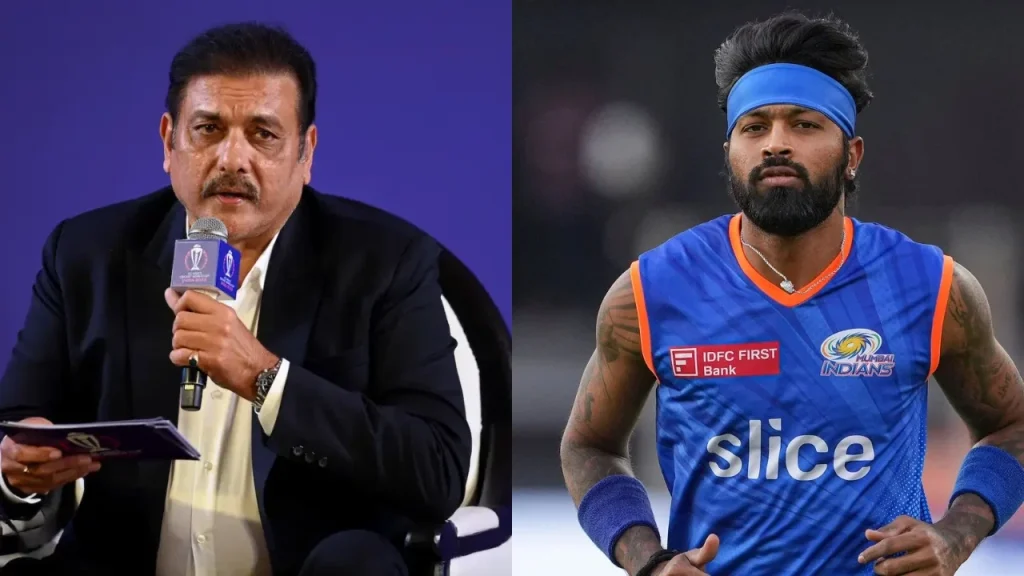
Another headline move saw Hardik Pandya switch from Mumbai Indians to Punjab Kings in a straight trade worth INR 18 crore, with Arshdeep Singh moving the other way at the same valuation. It was a high-profile exchange that underlined how valuable all-round impact has become in the current market.
Royal Challengers Bengaluru and Rajasthan Royals have also been discussing a possible Romario Shepherd-for-Sam Curran swap, another example of franchises exploring like-for-like deals built around players who can contribute in multiple phases of the game.
Why the all-rounder market is heating up
Set against the last three seasons, the trend looks almost like a reversal. Since 2023, squads were often shaped around specialists because the Impact Player rule allowed teams to add an extra cricketer between innings or during the game, reducing the need for complete all-round balance.
That rule changed team construction. A side could stack batting depth or bowling cover with a substitute and still keep its specialist core intact. In that environment, all-rounders sometimes looked less essential than before.
Now, that logic is being challenged. If the rule disappears after IPL 2027, teams that stock up on all-rounders early may gain a major advantage heading into the IPL 2028 mega-auction.
The Impact Player debate is shaping the market
The BCCI has already sought formal feedback from all 10 franchises, with the matter discussed again at the IPL Governing Council meeting. Chairman Arun Dhumal has only said that the issue remains under consideration and that any call will come after consultations with stakeholders.
Several major voices in Indian cricket have already questioned the rule. Sachin Tendulkar has urged the board to remove it, while Rohit Sharma, Virat Kohli, Hardik Pandya, Axar Patel and Shubman Gill have all pointed to the same concern: that it can reduce the value of genuine all-rounders.
As one senior IPL source put it, the market is being driven by anticipation as much as by current need: “Franchises are not just buying for 2027. They are preparing for the auction cycle after that.”
What franchises may be thinking ahead
The board’s stance has also added to the uncertainty. In late September 2024, the BCCI confirmed the Impact Player rule would continue through the 2025-2027 cycle. Yet just two weeks later, it removed the rule from the Syed Mushtaq Ali Trophy, the same competition where the concept had once been trialled.
That contradiction has left teams reading between the lines. The latest indications suggest the rule is likely to stay for IPL 2027, but it could still be scrapped before IPL 2028 and the mega-auction.
If that happens, franchises with the deepest all-rounder pools could be best placed to adapt quickly. Players who can bat in the middle order, bowl quality overs and add flexibility in the field become premium assets in a squad environment that may soon demand more balance.
All-rounders are back at the center of team-building
In traditional T20 cricket, all-rounders have always mattered. They offer insurance, flexibility and balance, all of which become even more valuable when the rules reward complete skill sets rather than specialist stacking.
That is why the current trade window feels significant. Chennai Super Kings, Punjab Kings and other franchises are not just making isolated deals. They are responding to a possible future in which all-rounders once again become the backbone of successful teams.
If the Impact Player rule is eventually scrapped, this window may be remembered as the point when IPL franchises started preparing early for the next era of squad-building.
For now, the market tells a simple story: teams are buying versatility, because the rules may soon make it priceless.