
Now Reading: West Indies expose India’s ODI bowling flaws
-
01
West Indies expose India’s ODI bowling flaws


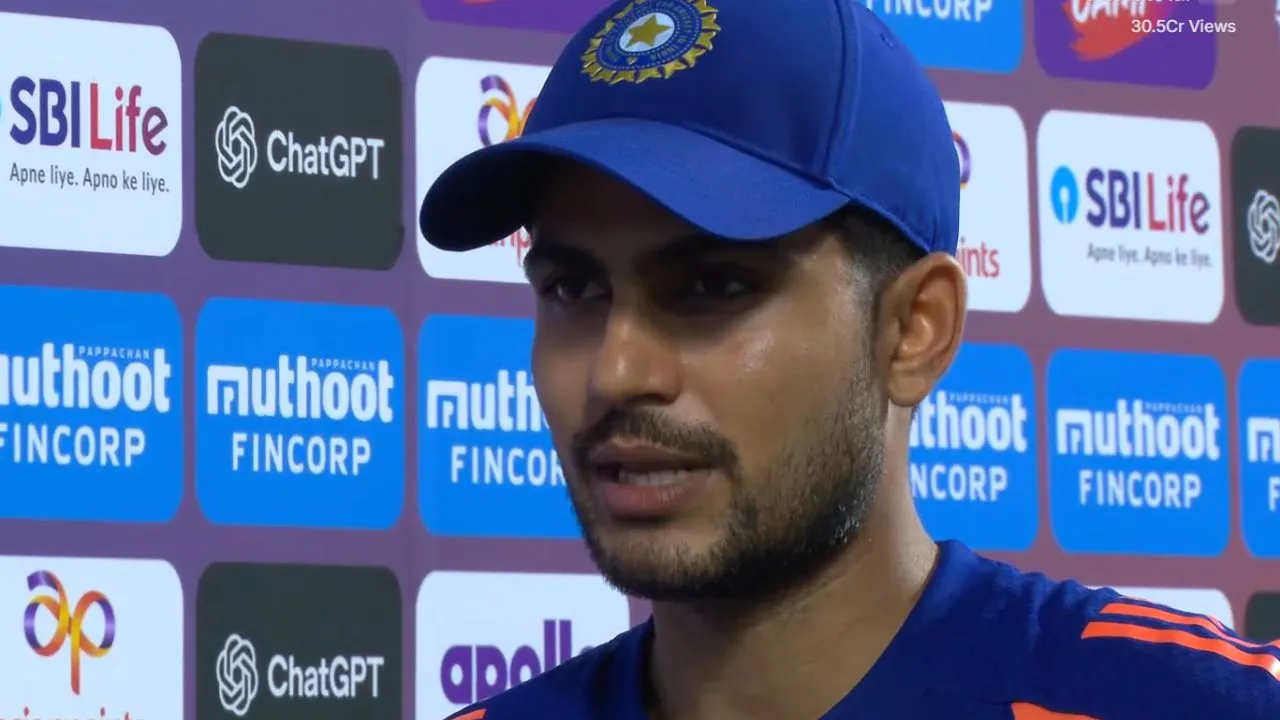
India may have won the series 2-1, but the final numbers told a far more uncomfortable story. Against a West Indies side many expected to struggle, Shubman Gill’s team were pushed hard, exposed repeatedly, and left with a serious bowling reality check just a year into their 2027 ODI World Cup build-up.
A series win, but a worrying pattern
The headline result looks positive on paper. India took the series, but the three matches in New Chandigarh, Guwahati and Thiruvananthapuram revealed a troubling trend: the bowlers were consistently taken apart on flat pitches. West Indies posted 295 in the opener, then surged to 405 for 7 in the second ODI before chasing down 352 in the final match to finish the series with a statement win.
That final chase was the sharpest warning. Shai Hope’s unbeaten 162 powered West Indies to 352 for 5 with 10 balls remaining, handing India one of its most uncomfortable finishes in recent ODI memory. It was the tourists’ highest successful chase in ODI history and a result that will linger far beyond the scoreline.
India’s attack looked stretched throughout
The most concerning element was not one bad day, but three matches of escalating pressure. Across the series, India conceded 1050 runs, a number that reflects both the batting-friendly surfaces and the lack of control from the back-up attack. With Jasprit Bumrah, Axar Patel and Arshdeep Singh unavailable, the replacement bowlers were always going to be tested. Still, the margins became alarming quickly.
Kuldeep Yadav was India’s standout performer, finishing with seven wickets across the series and delivering the most control in the opener with 4 for 40. But even his figures deteriorated as the series wore on. In Guwahati, he conceded 65 runs for two wickets, while the rest of the attack struggled to contain a West Indies lineup that kept hitting through the line.
Guwahati turned into a batting onslaught
If the opening ODI offered a few positives for India, the second match erased them. West Indies piled on 405 for 7, their highest ODI total ever, and every Indian bowler found the going brutal. The wickets were shared, but the damage was clear: there was little control, little pressure, and very little respite for the batters.
| Match | West Indies score | India result |
|---|---|---|
| 1st ODI | 295 all out | India won |
| 2nd ODI | 405/7 | India lost |
| 3rd ODI | 352/5 chasing 351 | India lost |
Gurnoor Brar and Auqib Nabi endured especially difficult outings in Guwahati, while Ravindra Jadeja also went for heavy runs. The pressure simply never eased, and the innings turned into a showcase of how quickly a flat surface can punish a bowling group short on frontline support.
Hope delivers the knockout blow
The final ODI brought the same problem back into focus. India posted 351 for 7, with KL Rahul producing a superb unbeaten 129 and Rohit Sharma narrowly missing out on another century with 92. That should have been enough to seal the game, but the bowling response was again below the required level.
Shai Hope, calm and commanding, picked apart the chase with an unbeaten 162. India had chances, but dropped catches and expensive spells made sure the chase never slipped from West Indies’ control. One inside voice from the contest summed it up best: “It was a flat pitch, but a 350-plus total should still be defendable with discipline. India were repeatedly missing that discipline.”
Selection depth or preparation problem?
It would be unfair to blame only the selected XI. The absence of India’s first-choice pace spearheads mattered, and the pitches offered little assistance. But that is exactly the point. World Cups are rarely played on perfect batting strips, and India need their backups ready for conditions that demand more than just variation in length.
The bigger issue is preparation. If the team spends most of its ODI cricket on surfaces that reward power-hitting over skill, the bowlers may not be hardened for South African conditions, where pace, bounce and seam movement will change the game entirely. India’s next major test in New Zealand will therefore carry added importance.
What India must fix before 2027
India do not need panic, but they do need perspective. The batting was strong, the top order delivered, and KL Rahul’s hundred under pressure showed the lineup still has class. Yet the bowling unit conceded too freely, and the series exposed how fragile the margin becomes when the attack cannot build sustained pressure.
The lesson from this West Indies tour is simple. India can win high-scoring games, but they cannot afford to rely on that model going into a World Cup year. They need tougher surfaces, stronger bowling combinations, and regular exposure to conditions that force bowlers to think, adjust and compete. Without that, this series may be remembered as the early warning they could not ignore.