


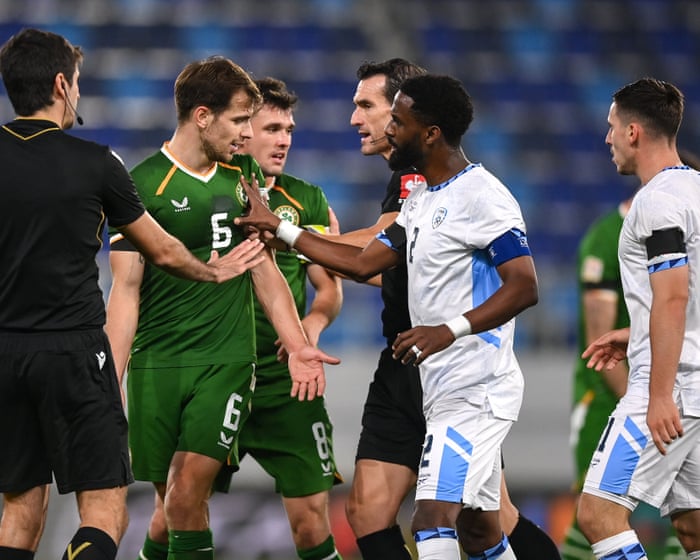
The Republic of Ireland’s latest meeting with Israel ended in a 1-1 draw, but the football was only part of the story. Behind closed doors in Serbia, the match unfolded amid political tension, a halftime allegation involving an Israeli player, and fresh calls for UEFA to intervene.
After the final whistle, Ireland manager Heimir Hallgrimsson made his position clear: he does not want the two teams drawn together again any time soon. The result may have mattered in the UEFA Nations League, but the atmosphere around the fixture has quickly become the bigger headline.
Hallgrimsson pushes UEFA to step in
Speaking to RTÉ Sport, Hallgrimsson said UEFA should keep the sides apart in future competitions. His comments came after a pair of fixtures that were widely described as tense and emotionally charged.
“No, they shouldn’t. That’s not ours to decide – that’s UEFA who decides that,” he said. “I wouldn’t wish any national team to go through what we’ve gone through in these two weeks, so maybe UEFA just needs to step in and do something.”
The Ireland boss also pointed to the strong support for Palestine in Ireland, saying the wider context had made the international window especially difficult for his squad and staff.
A match overshadowed by politics
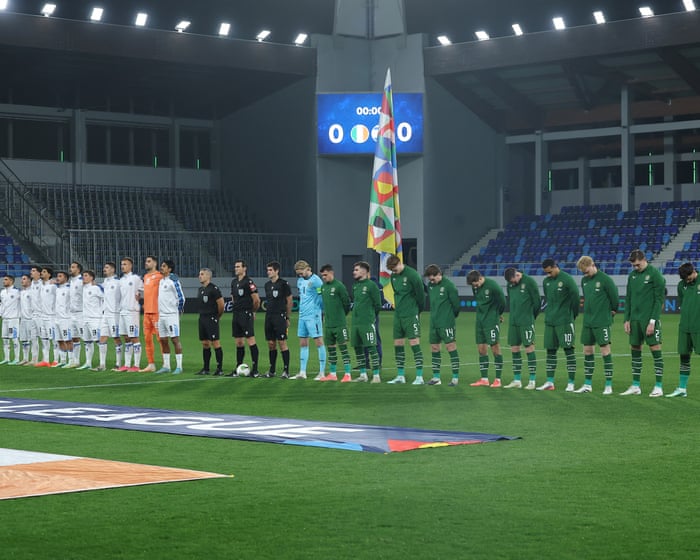
The game in Serbia was played without supporters, yet it still carried plenty of off-field noise. In the build-up, the Football Association of Ireland had been urged by some to boycott the fixtures because of the ongoing Israel-Gaza war, while the match itself produced another wave of controversy.
Reports from the stadium alleged that Ireland fitness coach Damien Doyle was spat at by an Israeli player at half-time as the teams headed down the tunnel. Hallgrimsson confirmed an allegation had been made, but said he had not personally seen the incident and would not go further.
That was enough to add another layer of tension to an already difficult week for both sides. As one football source close to the situation put it, “Once the football becomes secondary, everybody feels the pressure immediately.”
Anthem gesture sparks Israeli anger
Before kick-off, the political backdrop surfaced again when Ireland players, coaching staff and officials bowed their heads during the Israeli national anthem for the second time in a week. The gesture drew a sharp response from the Israeli government, which accused the Irish team of “moral blindness.”
The official Israeli Government X account linked the gesture to a broader political message and framed the moment as disrespectful. Ireland had not publicly framed the action in those terms, but the reaction ensured the fixture remained in the spotlight long after the final whistle.
The row underlined how quickly sport can be pulled into wider disputes when national teams meet in charged circumstances. In this case, the football itself was almost overtaken by symbolism, accusation and response.
UEFA and media access under scrutiny
There was also drama off the pitch before the game, with UEFA confirming that two Israeli journalists were banned from post-match press conferences after the previous day’s media session descended into chaos. The press conference had ended early after a dispute over claims of racial abuse, which Irish representatives strongly denied.
According to reports, police were later called after a separate allegation that a microphone had been taken from an Israeli journalist by an FAI press officer. Sky Sports News understands that no further action was taken.
That sequence of events left UEFA with more questions than answers about how the occasion had been handled. With tensions already high, media access and post-match communication became part of the story too.
What happens next?
Hallgrimsson’s call will now put pressure on UEFA to consider future fixture planning more carefully. While international draws are made through official procedures, the Ireland manager believes the scale of the tension should prompt a rethink.
The episode has shown how a football fixture can carry consequences far beyond the pitch. In the end, the 1-1 draw may be what goes into the record books, but the arguments around it are likely to linger much longer.
For Ireland, the focus now returns to footballing matters. For UEFA, the challenge may be whether it can keep a lid on the broader friction that followed this fixture and decide if these teams should meet again any time soon.