
Now Reading: Southgate rules out Premier League return after stepping back from football
-
01
Southgate rules out Premier League return after stepping back from football


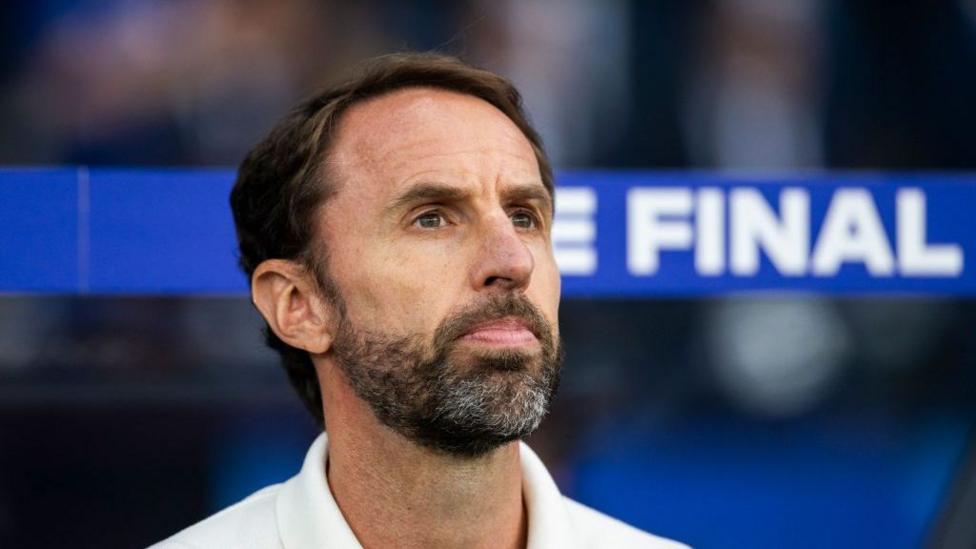
Gareth Southgate has all but closed the door on a return to Premier League management, saying he hardly watches football now and no longer feels the pull of the touchline. The former England boss, who stepped away after the Euro 2024 final defeat to Spain, says his relationship with the game has changed dramatically.
The 56-year-old has spent the last 18 months exploring life beyond the pressure of results, describing the period as a welcome reset after more than three decades in football. For a coach once defined by the weekly cycle of wins and losses, Southgate’s latest comments suggest a man content to leave elite club management behind.
Southgate distances himself from a club return
Speaking on the Amol Rajan Connection podcast, Southgate said he could not imagine a scenario in which he went back into Premier League management. His comments were decisive, not tentative, and reflected a wider shift in priorities since leaving the England job.
“I don’t see a scenario where I do that,” he said. “Towards the end of my time with England, I stopped enjoying … at the very least for a period, the wins keep you going. By the end, I didn’t even enjoy the wins for any longer than a couple of minutes. So, I’ve hardly watched football.”
That sense of detachment is striking for a figure who spent almost eight years as England manager and came closer than any predecessor in decades to ending the national team’s wait for a major men’s trophy.
A football life that no longer feels the same
Southgate also revealed he has not attended a football match since watching his boyhood club Crystal Palace beat Manchester City in the FA Cup final in May 2025. That was a memorable day for Palace, but also, it seems, a personal turning point for Southgate’s own connection to the sport.
He said that after years of having his sense of self tied to match results, he has enjoyed experiencing a very different kind of life. “I’ve loved the last 18 months of my life,” he said. “I’ve had 37 years where my sense of self depended on did I win or lose on Saturday. And actually I’ve loved having different experiences.”
Those experiences have included a new podcast, a BBC documentary and conversations far beyond football. Southgate said he has met politicians, media figures and people working across different leadership roles, while also travelling and learning about issues affecting young men and boys.
From sidelines to a broader public role
Rather than chasing another high-pressure job, Southgate appears increasingly focused on life away from the dugout. He has spoken openly about enjoying a broader mix of work and public discussion, suggesting the intensity of football management no longer defines his ambitions.
His comments also underline just how demanding his final years with England became. In the past, victory provided the immediate emotional lift that kept managers going through the grind. Southgate’s admission that even wins brought only brief satisfaction offers a rare glimpse into the toll of elite coaching.
“By the end, I didn’t even enjoy the wins for any longer than a couple of minutes,” Southgate said.
That reflection gives context to why a return to the Premier League looks unlikely. Club management would bring a relentless schedule, heavier scrutiny and the same emotional stakes that Southgate now appears eager to leave behind.
What Southgate’s next chapter means
Southgate’s career path now points away from the training ground and toward broader influence in media, leadership and social issues. For supporters and clubs wondering whether he might resurface in the Premier League, his latest words were as clear as they come.
He may not be stepping away from public life entirely, but he is stepping away from the type of football involvement that once dominated everything. For one of England’s most recognisable modern managers, the game has changed, and so has the man.