Now Reading: WV Raman Explains How India Picks Domestic Cricket Talent
-
01
WV Raman Explains How India Picks Domestic Cricket Talent

WV Raman Explains How India Picks Domestic Cricket Talent

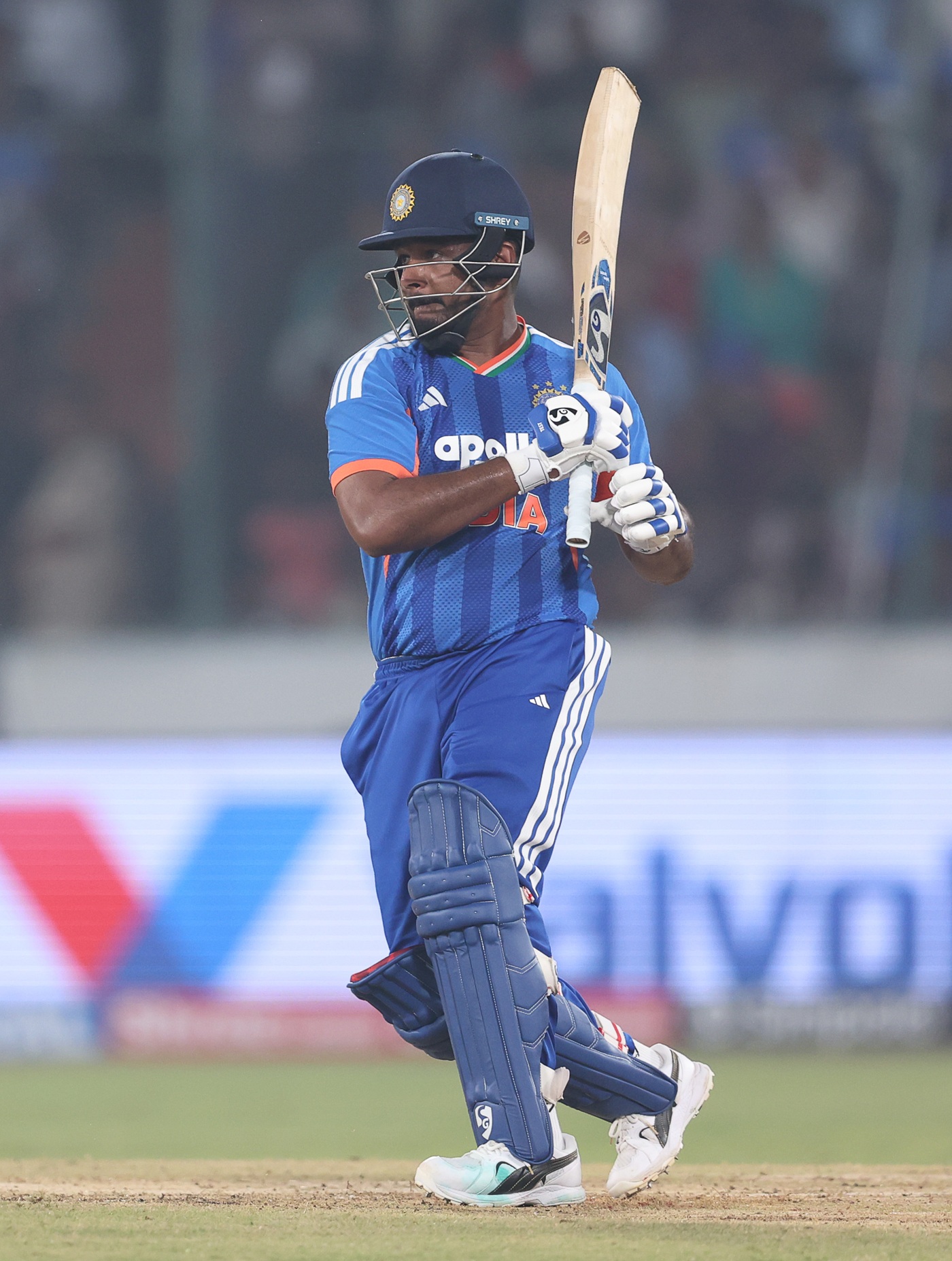
Selection in Indian cricket is often seen as a straight reward for domestic runs and wickets. But former India cricketer WV Raman says the process is more layered than that, with team requirements and role-specific gaps playing a major part in who gets the call-up.
Speaking during an interaction arranged by Sony Sports Network and quoted by CricTracker, the former Tamil Nadu coach said domestic performances are always valued, but they are only one part of the bigger picture. In his view, selectors first look at what the national side actually needs before narrowing down the names from the domestic circuit.
Domestic form matters, but the need comes first
Raman said the system works best when performances are matched with squad balance. In other words, strong domestic numbers do not automatically guarantee a place unless the player also fits the team’s immediate requirement.
“Performances in domestic cricket will always be rewarded,” Raman said, “but they look at players who can perhaps perform a particular role in international cricket given the team’s requirements and what the team is lacking.”
That approach, he explained, helps the management identify players who can solve a problem rather than simply add depth. If the selectors and team management feel that a cricketer is good enough to close a gap, the door opens quickly.
Why selectors focus on roles, not just numbers
According to Raman, Indian selectors do not chase every in-form domestic player. They first assess where the squad is short and then focus on cricketers who can deliver in that exact area.
He added that he is hesitant to throw out individual names because selection should be driven by sustained performances and context, not hype. “I generally am not a great fan of throwing names and saying these are the guys who should be picked,” he noted.
That, he suggested, keeps the conversation grounded. Many players may be producing solid domestic seasons, but only a handful will fit the precise needs of the Indian team at a given time.
The off-spinner example after Ashwin’s retirement
Raman used the off-spinner slot as the clearest example of how a vacancy can shape selection thinking. Since Ravichandran Ashwin retired from international cricket after the third Test of the Border-Gavaskar Trophy in Brisbane on December 18, 2024, India has had a visible gap in that specialist role.
Ashwin, one of India’s most successful off-spinners and a valuable lower-order batter, had been central to the bowling attack for years. His exit has left a space that cannot simply be filled by any spinner with a decent record.
Raman’s point was simple: if an off-spinner dominates domestic cricket for multiple seasons and India are clearly short in that department, the selector’s job becomes easier. The performer is no longer just a good domestic cricketer; he becomes the obvious answer to a national-team problem.
| Key point | Context |
|---|---|
| Domestic performance | Always considered in selection |
| Team need | Primary factor shaping final choice |
| Ashwin retirement date | December 18, 2024 |
| Role gap highlighted | Off-spinner |
What this means for India’s selection process
Raman’s comments reflect a selection philosophy that is both performance-based and highly strategic. India may have a long list of domestic standouts every season, but the final squad is built around balance, opposition conditions, and the missing pieces in the current setup.
That makes the path to the national side competitive, but not random. A batter, seamer, or spinner may pile up runs or wickets, yet only those who match India’s immediate tactical needs are likely to move from domestic success to international opportunity.
As Raman put it, the decisive factor is often not just who is performing best, but “what exactly is needed for the Indian team.” That line captures the essence of modern selection: form opens the door, but role fit decides whether a player walks through it.
A selection system built on fit and timing
For youngsters grinding through domestic seasons, the message is encouraging but clear. Consistency still matters, but timing matters just as much. Being the best performer in a tournament is important, yet being the best solution to a squad gap can be the difference between staying in the conversation and earning a debut.
Raman’s explanation also underlines how Indian cricket continues to evolve beyond simple stat sheets. In a deep talent pool, selectors are increasingly looking for specialists who can step into a defined role and make an immediate impact.
That is why the next wave of India selections may not come from the loudest performances alone. They may come from the players who answer the team’s most urgent questions.
Quote-worthy insight: As Raman suggested, domestic cricket can bring players into the spotlight, but international selection happens when that spotlight matches a real need inside the squad.