Now Reading: Sunil Gavaskar Questions India’s T20I Squad Balance
-
01
Sunil Gavaskar Questions India’s T20I Squad Balance


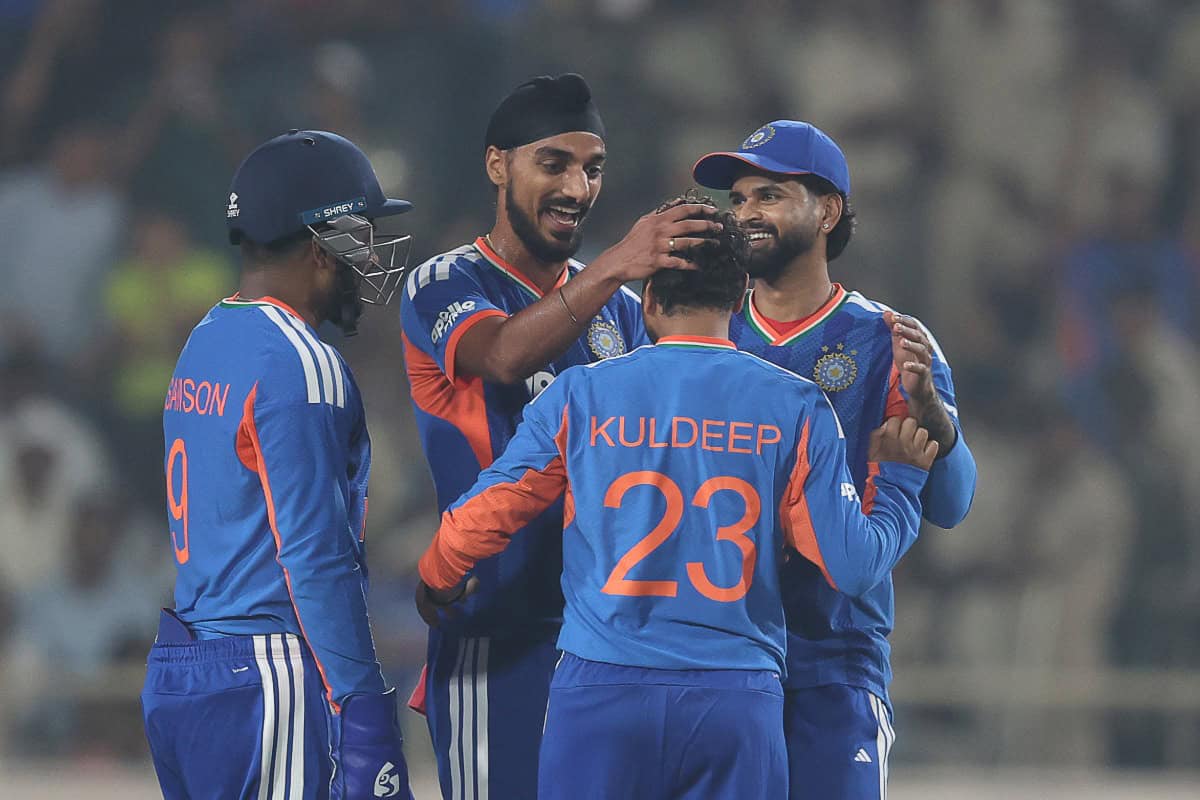
Sunil Gavaskar has put India’s T20I squad balance under the microscope, arguing that the team’s current structure is leaving the bowling attack short on support. His concerns came after India’s recent series against West Indies, where another high-scoring contest exposed familiar issues in the balance between batting depth and bowling control.
The former India captain believes the answer is simple: India need more specialist bowlers in the XI, even if that means trimming the number of pure batters. With Gautam Gambhir now in charge of the men’s team, the discussion has intensified around how India should build a more reliable T20 unit.
Gavaskar’s warning after Ranchi shootout
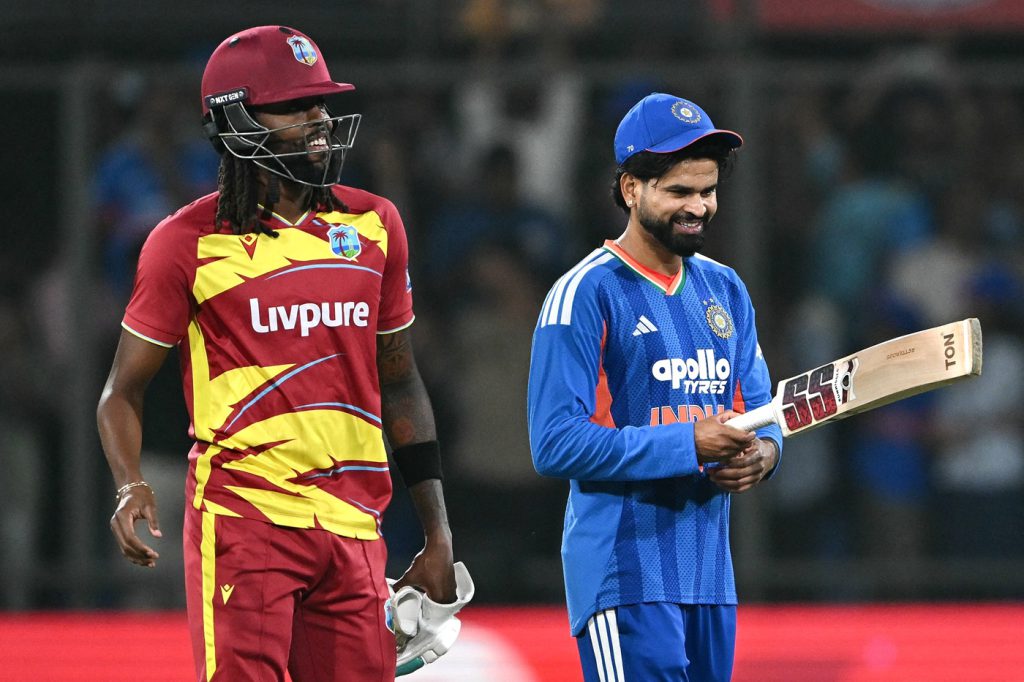
India’s second T20I against West Indies in Ranchi on October 9, 2026, produced a run-fest of the highest order. West Indies chased down 249 in 18.3 overs to win by six wickets and level the five-match series at 1-1.
The result itself told part of the story, but Gavaskar focused on the bigger tactical picture. He said India need to play with at least four regular bowlers, with a fifth and sixth option coming from all-rounders who can contribute with the bat as well.
“We didn’t get to see the bowling. It would have been interesting to see how the Indians bowled in this nine-over game. The takeaway from the series is that, in their bowling, they have to play with at least four regular bowlers,” Gavaskar said on JioStar.
That observation went straight to the heart of India’s selection debate. In his view, loading the XI with batting options may create the illusion of depth, but it weakens the side where T20 matches are often decided: the bowling middle overs and death overs.
Why the batting-heavy model worries him
Gavaskar’s main argument was that India have gone too far in trying to compensate for the absence of a like-for-like Hardik Pandya replacement. Instead of forcing a direct replica, he believes the team should adapt and build a clearer structure.
“We sometimes get a little bit carried away with trying to find a replacement for Hardik Pandya. Hardik Pandya is irreplaceable. If you can’t find somebody of his calibre, then go with somebody who will do a slightly different job,” he said.
That point reflects a long-running issue in India’s T20 planning. The temptation to bat deep often comes at the expense of bowling stability, and Gavaskar says that trade-off is hurting results when the pressure rises.
“When you bat up to 8, you weaken your bowling, and that’s where you get beaten,” he added.
The message is blunt but practical. In a format where teams often attack from ball one, having enough bowlers to defend totals, break partnerships, and cover off days is crucial. Gavaskar’s view is that India are being too ambitious with batting depth while underestimating the value of bowling certainty.
The case for four specialists and two all-rounders
Gavaskar specifically suggested a structure built around four frontline bowlers, supported by two all-rounders who can handle part-time or flexible overs. That model, he believes, would give India a better chance of controlling games without overloading any one bowler.
He pointed to players such as Axar Patel as an example of how balance can work when a bowler is also capable of offering useful batting contributions. He also mentioned Naman Dhir as a player who can bat prominently while still contributing a couple of overs when needed.
In T20 cricket, such flexibility can be the difference between a manageable chase and a collapse under pressure. A side that can bowl with discipline and still extend its batting lineup often looks stronger on paper, but Gavaskar’s argument is that the bowling quality should never be sacrificed too heavily for that comfort.
Pujara adds clarity to the spin debate
Former India batter Cheteshwar Pujara also weighed in on the broader team-building discussion, stressing the need to identify the right spin combination. His point was that bowlers need clarity in role definition, especially in a format where matchups and overs allocation are everything.
That insight complements Gavaskar’s concern. If India want to avoid being outmaneuvered in high-scoring T20s, they may need a more settled bowling plan rather than a team that simply hopes batting depth will compensate for tactical gaps.
What it means for India going forward
For India, the debate is not just about one match or one series. It is about the larger blueprint under a new coaching regime and whether the team wants to prioritise batting insurance or bowling control.
The West Indies chase in Ranchi has only sharpened that question. If India continue to select batting-heavy XIs without enough proven bowling options, they may keep finding themselves vulnerable in the most decisive moments.
Gavaskar’s message was not about panic. It was about structure, clarity and balance. And in T20 cricket, that balance can decide everything.