
Now Reading: India Fined 35% Match Fee for Slow Over-Rate in Fifth ODI Against New Zealand
-
01
India Fined 35% Match Fee for Slow Over-Rate in Fifth ODI Against New Zealand


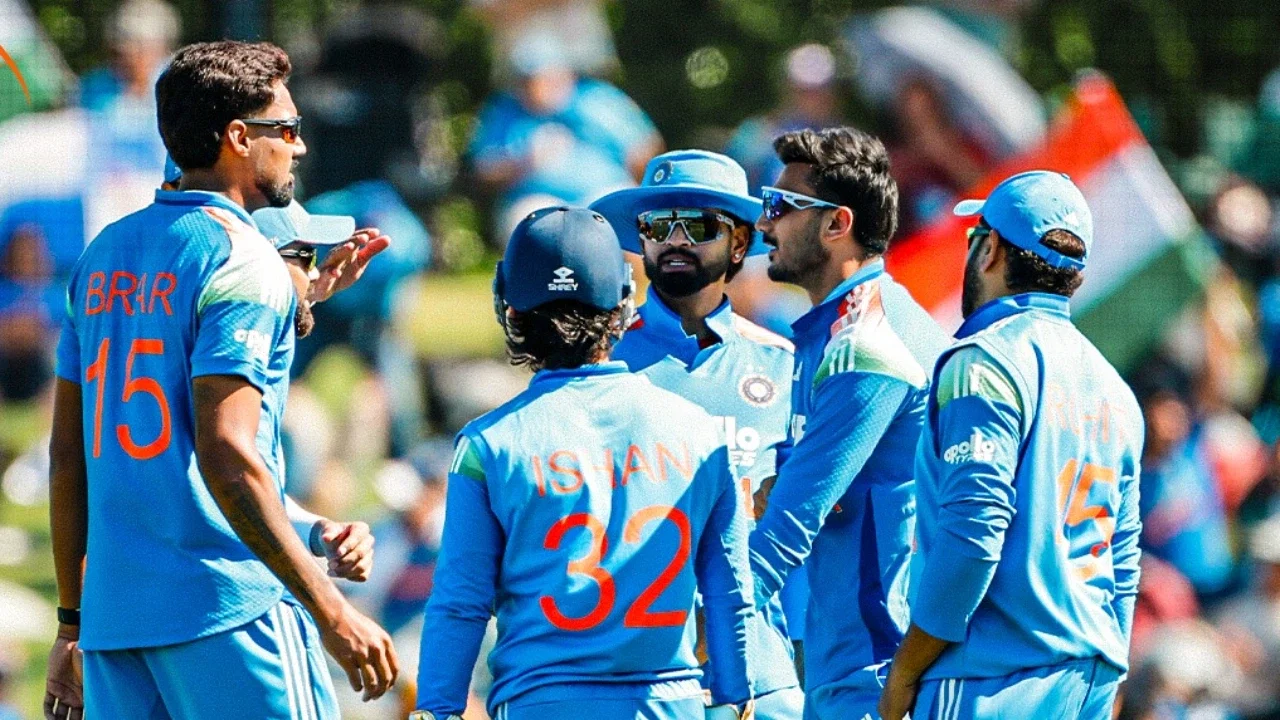
India’s series win came with a price tag. The ICC has fined the side 35 per cent of their match fee after a seven-over shortfall in the fifth and final ODI against New Zealand at Mount Maunganui. Stand-in captain Shreyas Iyer accepted the sanction, so the matter closed without a hearing.
ICC Hands India a 35 Per Cent Fine
The ICC found India seven overs behind the required rate in the fifth ODI, played on November 15. The penalty applies to the players and the player support personnel.
The sanction falls under Article 2.22 of the ICC Code of Conduct for Players and Player Support Personnel. That article covers minimum over-rate offences. Seven overs short, at five per cent per over, comes to 35 per cent.
| Detail | Figure |
|---|---|
| Match fee deduction | 35% |
| Overs short of the required rate | 7 |
| Penalty per over | 5% |
| Governing rule | Article 2.22, ICC Code of Conduct |
| Series result | India won 3-1 |
How the Over-Rate Penalty Works
Over-rate rules are among the most routine disciplinary matters in the game. Teams must bowl their overs within a set time, and every over they fall short costs them.
The Five Per Cent Rule
The maths is simple. Each over a side is behind the required rate costs five per cent of the match fee. India were seven overs adrift, so the deduction reached 35 per cent.
The fine is a financial penalty only. It does not affect the series result or any points, and it is the kind of sanction teams across world cricket face from time to time.
Why No Hearing Was Needed
Iyer admitted the offence on behalf of the team and accepted the proposed sanction. Because of that, no formal hearing was required.
That kept the process short. The ICC announced the penalty soon after the series wrapped up, closing the administrative side of the tour.
Shreyas Iyer Steps In as Captain
The over-rate lapse came with a stand-in skipper in charge. Regular captain Shubman Gill was rested for the last two matches of the series. Iyer was appointed to lead the side in his absence.
A Tough Assignment
Leading a side in a series decider is demanding enough without a clock to manage. Over-rate management is a captain’s job. It means keeping field changes, bowling changes and drinks breaks on schedule.
Iyer took the responsibility by accepting the charge on behalf of the group. The fine is shared across the playing group and support staff, not placed on one individual.
India Seal the Series 3-1
The fine did not dull what was a strong tour. India won the five-match ODI series 3-1, with the fifth and final match acting as the decider. The visitors came through it to take the trophy.
The result followed a contest in which New Zealand tried to fight back at home. India held their nerve when it mattered and finished on top.
The Bigger Picture
A 3-1 scoreline reflects a clear gap over five matches. Even so, the over-rate fine is a reminder that discipline in the field matters alongside runs and wickets.
For India, the takeaway is practical. Faster transitions between overs would avoid a repeat, especially when a stand-in captain is still settling into the role.
What Happens Next
With the penalty accepted, the matter is settled. The deduction will be taken from the match fees of those covered by the sanction.
The Indian camp can now put the over-rate lapse behind them. The series trophy remains the headline from the tour, and the fine is only a footnote to a 3-1 victory.
Fans will keep debating how much a slow over-rate really matters when the result goes your way. The rulebook, though, is clear: every over short has a cost.