
Now Reading: India Win Series in New Zealand, But Three Big Worries Remain
-
01
India Win Series in New Zealand, But Three Big Worries Remain


India have conquered New Zealand on their own turf, but the scoreboard only tells half the story. A 3-1 series win, sealed by a 22-run victory at Mount Maunganui, arrived with some loud warning signs. Here are the three problem areas India must fix next.
A Series Win Built on a Young Pace Attack
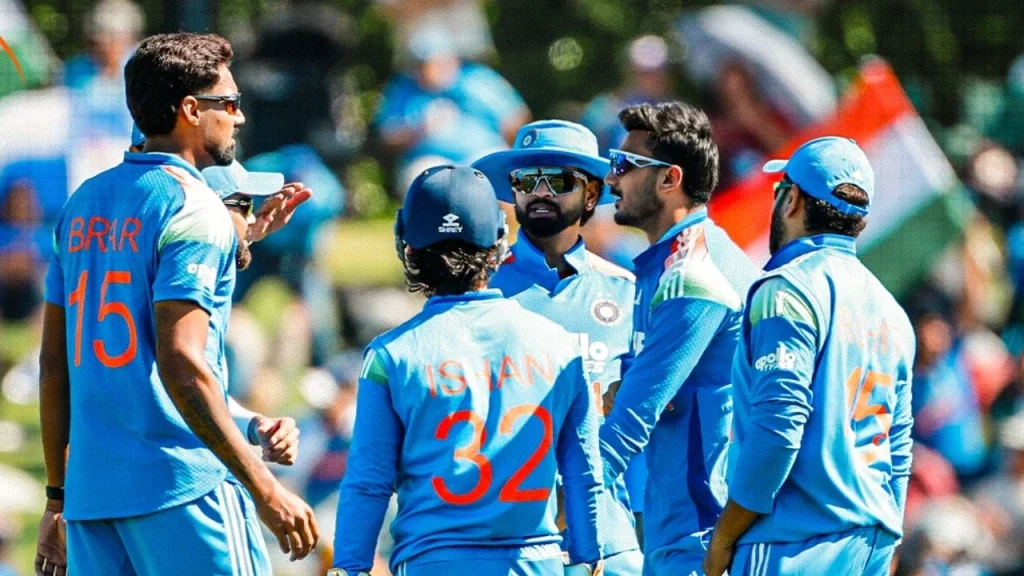
India closed out the five-match ODI series on November 15, 2026, defending a modest 209 in the decider. Arshdeep Singh and Mohammed Siraj led a young pace attack that squeezed New Zealand under pressure.
The result handed New Zealand their first home ODI series defeat in seven years. It was also India’s first overseas ODI series victory under the current team management.
Yet a closer look at the numbers shows a team that won despite its batting, not because of it.
1. Complete Failure of the Senior Pillars
Rohit Sharma’s Tough Tour
Rohit Sharma managed only 30 runs in four innings at an average of 7.50. His scores read 0, 23, 0 and 7.
His exit in the decider, caught at Foxcroft off Matt Fisher for 7 off 13 balls, summed up a captain who never found rhythm.
Virat Kohli’s Lopsided Series
Virat Kohli finished as India’s top run-scorer with 86, but 74 of those came in the opening ODI. Across his final three innings he added just 12 runs.
In the fifth ODI he was gone for a 5-ball 5, caught by Seifert off Fisher. Two senior pillars producing such thin returns is a concern that results alone cannot mask.
| Batter | Series Runs | Key Detail |
|---|---|---|
| Rohit Sharma | 30 | Average 7.50 (0, 23, 0, 7) |
| Virat Kohli | 86 | 74 in first ODI, 12 in last three innings |
2. Chronic Vulnerability Against Seam and Swing
India’s batting unit failed to reach 210 in any innings of the series. The side also lost at least five wickets in every completed game.
The fourth ODI was the starkest example. India slipped to 0 for 3 inside the opening over and were eventually bowled out for 89.
Pace and bounce in New Zealand conditions repeatedly undid the top order before the innings could settle. Without stability up front, the middle order was constantly rebuilding rather than accelerating.
| Batting Indicator | Series Figure |
|---|---|
| Highest innings total | Below 210 |
| Wickets lost in completed games | At least 5 every time |
| Fourth ODI collapse | 0/3 in first over, all out for 89 |
3. Spin Attack Struggles and Selection Dilemmas
Kuldeep Yadav’s Limited Chance
Wrist-spinner Kuldeep Yadav played just one ODI and was punished by New Zealand’s batters. He was then left out of the subsequent Test squad.
One difficult outing should not define a bowler, but the selection signal is hard to ignore.
Axar Patel Under Pressure
Axar Patel faced sustained pressure from Mitchell Santner in the fifth ODI. Late tail-end wickets rescued his final bowling figures.
With the bat, Axar chipped in with 46 off 55 balls in the decider. Still, his bowling returns raised questions about India’s spin options overseas and the balance the team management must resolve.
What Comes Next for India
Winning abroad is never easy, and this young pace group deserves real credit. The challenge now is making sure the batting order and spin combination can carry the load when the bowlers have fewer runs to defend.
If the senior batters rediscover form and the top order learns to handle the new ball, this series win could become a genuine foundation. If not, tougher opponents will expose the same cracks.