
Now Reading: Shubman Gill Ends 12-Year Wait with Historic NZ Test Fifty
-
01
Shubman Gill Ends 12-Year Wait with Historic NZ Test Fifty


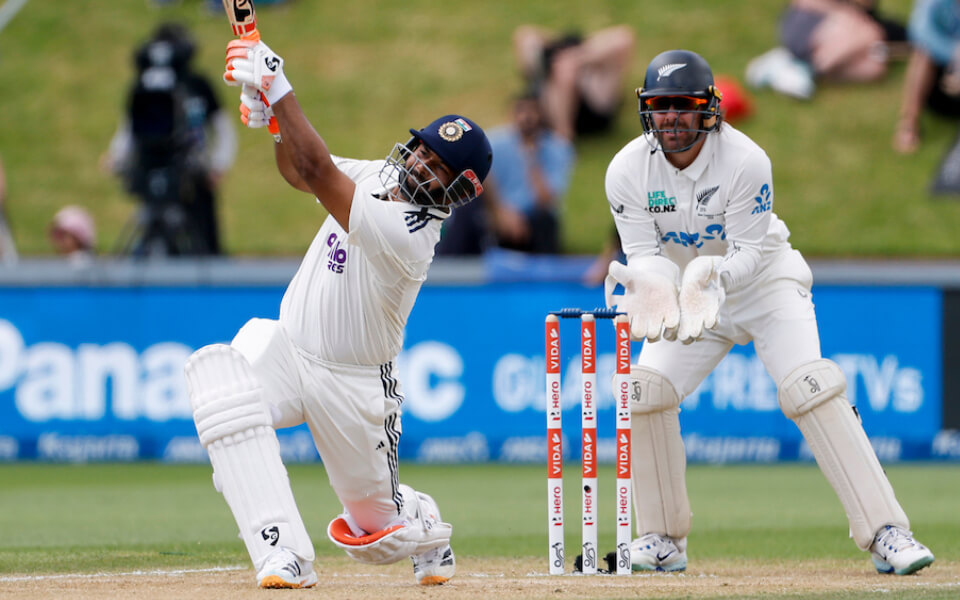
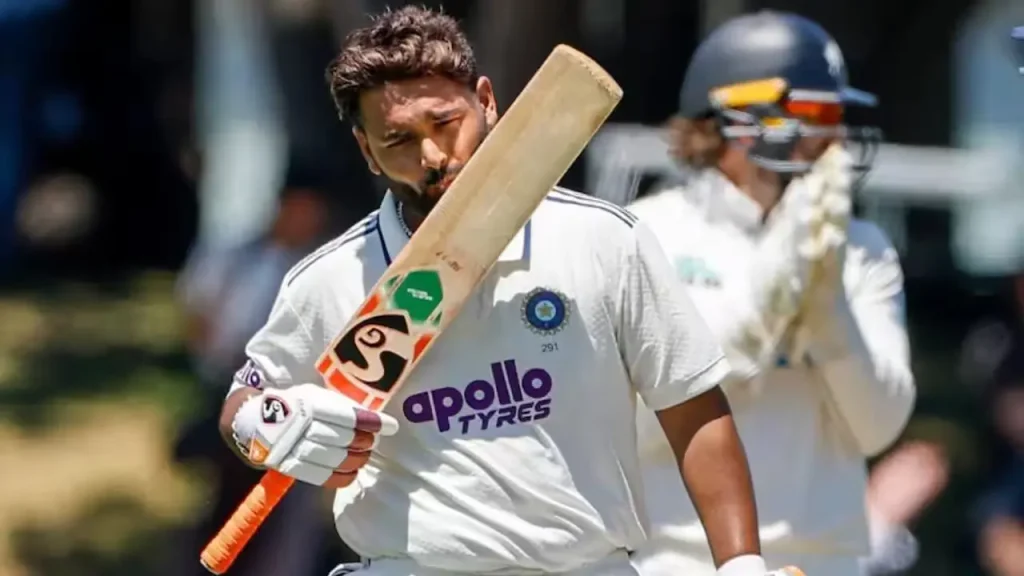
Shubman Gill turned Day 3 of the first Test in Wellington into a personal milestone moment, ending a 12-year wait for Indian captains in New Zealand. With a composed half-century at the Basin Reserve, Gill became the first India skipper since MS Dhoni in 2014 to score a Test fifty on New Zealand soil.
Gill joins Dhoni in rare company
The Indian captain reached the landmark in style, bringing up his 10th Test half-century as India continued to build a commanding position in the match. It was also Gill’s maiden fifty as India’s Test captain in New Zealand, a significant step in his leadership journey and a notable entry into the record books.
Before Gill, Dhoni had been the last Indian captain to register a Test fifty in New Zealand, doing so during the 2014 tour. That makes Gill’s effort more than just another score; it is a rare captaincy milestone in one of the more testing away conditions for visiting batters.
A strong platform from India’s top order
Gill’s innings came after India’s top order laid the foundation with authority. KL Rahul struck a superb 136, Yashasvi Jaiswal added 85, and Devdutt Padikkal contributed a fluent 80, giving India the kind of start that allowed the captain to play with confidence.
The collective batting effort helped India move from stability to dominance, putting pressure back on New Zealand after the hosts were restricted to 368 in their first innings. By the time Gill settled in, the innings already had momentum, and he made sure the advantage did not slip away.
| Key Batting Figures | Runs |
|---|---|
| KL Rahul | 136 |
| Yashasvi Jaiswal | 85 |
| Devdutt Padikkal | 80 |
| Shubman Gill | 50+ |
| New Zealand first innings | 368 |
Controversy, review and a crucial escape
Gill’s innings also survived a tense moment that could have changed the shape of the day. Nathan Smith trapped him in front of the stumps and the on-field umpire initially gave him out LBW, sparking immediate drama at the Basin Reserve.
Gill, after a quick discussion with Rishabh Pant, opted for a review with only a few seconds left on the timer. The replay showed a faint inside edge before the ball struck the pad, and the decision was overturned. The third umpire confirmed the bat was involved, saving the Indian captain from dismissal.
That moment added a flash of theatre to an already lively session. The New Zealand players believed they had their man, but the technology told a different story, keeping Gill at the crease and India in control of the innings.
Pant adds spice to the exchange
The DRS call also sparked a heated but entertaining exchange between the two sides. Rishabh Pant made a cheeky remark during the review process, telling the New Zealand players, “Kumar is not blind, don’t worry.”
It was the kind of on-field needle that often accompanies high-stakes Test cricket, especially when a big wicket looks to be falling and the decision swings the other way. The moment briefly raised the temperature, but the bigger story remained Gill’s composure under pressure.
Why this fifty matters for India
For Gill, the innings carried both statistical and symbolic value. It showed he can anchor a major away Test while leading a side that is already in command. It also added another line to a growing resume that now includes a rare away milestone as captain.
As one India observer noted after the innings, “A captain’s fifty overseas is always worth more than the numbers alone. It signals control, patience and belief.” That description fit Gill perfectly in Wellington, where he blended caution with timing and avoided letting the pressure of the occasion dictate his batting.
India’s position in the match was strengthened by a top-order performance that looked increasingly complete as the innings moved forward. With Rahul, Jaiswal, Padikkal and Gill all contributing, the visitors created a strong platform to push for control of the Test.
Gill’s half-century may not be the final headline of the match, but it is certainly one of the most important. It broke a long-standing pattern, added to India’s dominance and placed the captain at the center of a memorable day in Wellington.