
Now Reading: KL Rahul’s DRS Escape Sparks Drama in Wellington Test
-
01
KL Rahul’s DRS Escape Sparks Drama in Wellington Test


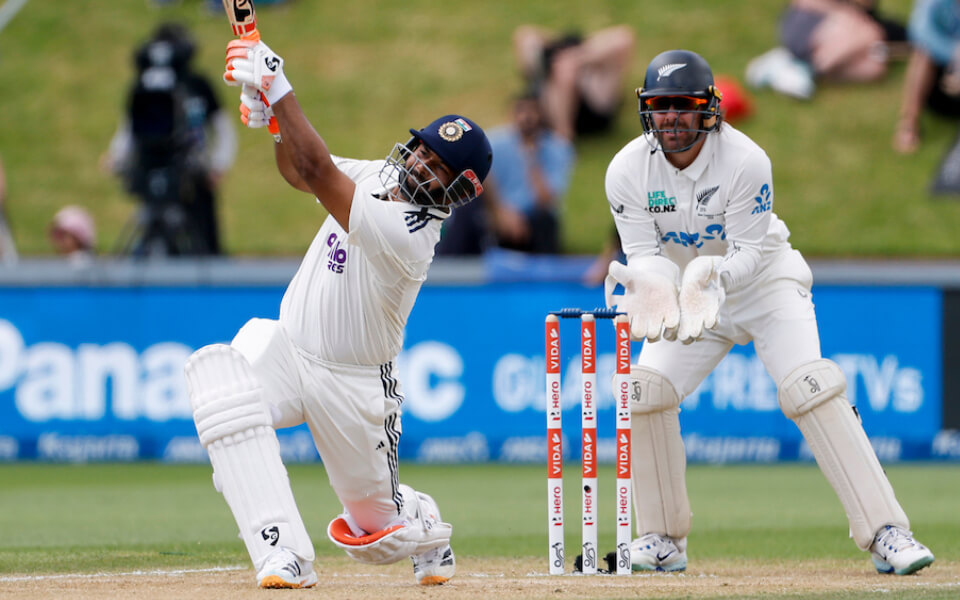
What looked like a routine LBW appeal on a tense Day 3 at Basin Reserve quickly became the kind of moment fans replay for hours. KL Rahul stood frozen on five, New Zealand chose not to review, and a 15-second decision window ended with a missed opportunity that would go on to shape the first Test in Wellington.
The DRS call that changed the mood
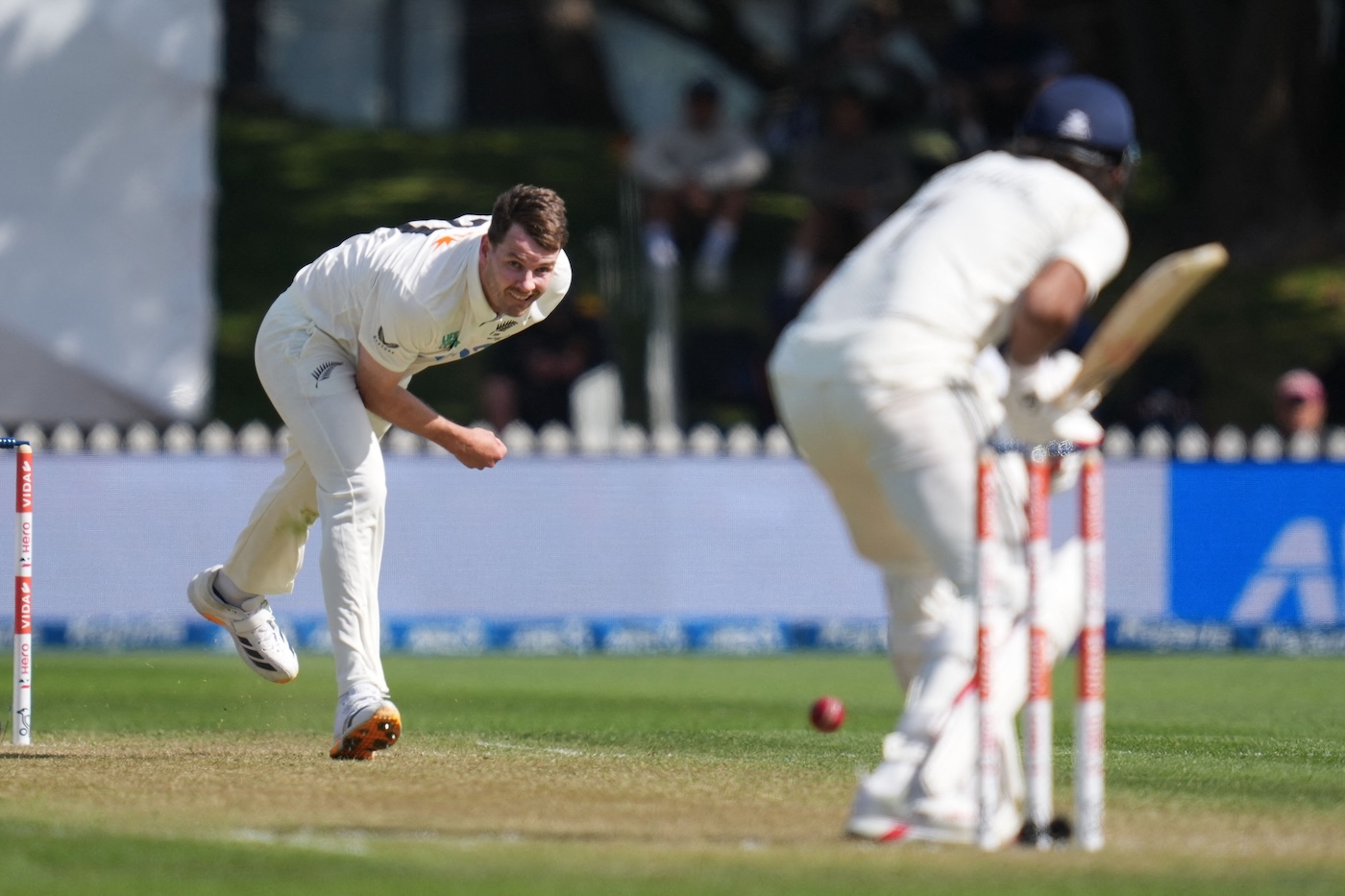
Matt Henry struck Rahul on the pads and the appeal was immediate. Umpire Kumar Dharmasena turned it down, and New Zealand had a chance to challenge. They did not, and ball-tracking later showed three reds, confirming Rahul would have been dismissed if the review had been taken.
The reason behind that call emerged after stumps. Glenn Phillips had told captain Tom Latham that the ball had brushed Rahul’s bat first, and Latham trusted the advice. That split-second judgment became one of the decisive talking points of the match.
Rahul’s reaction summed up the moment
Rahul joked about the escape at the post-stumps press conference, making it clear he knew how close he came to walking back early.
“Those 15 seconds were probably the slowest 15 seconds of my life,” Rahul said, adding that he would buy Glenn Phillips a few drinks after the game.
He also credited the New Zealand fielders for creating the uncertainty around the decision. “I kept hoping that people would listen to Glenn Phillips, because he kept saying I smashed it,” Rahul said, smiling through the relief of having survived.
Rahul makes the most of the reprieve
Once the chance had gone, Rahul made New Zealand pay in the most authoritative way possible. He resumed Day 3 on 52 after India had closed Day 2 at 159/1, still 209 runs behind New Zealand’s first-innings total of 368. From there, he settled in and controlled the innings with discipline and timing.
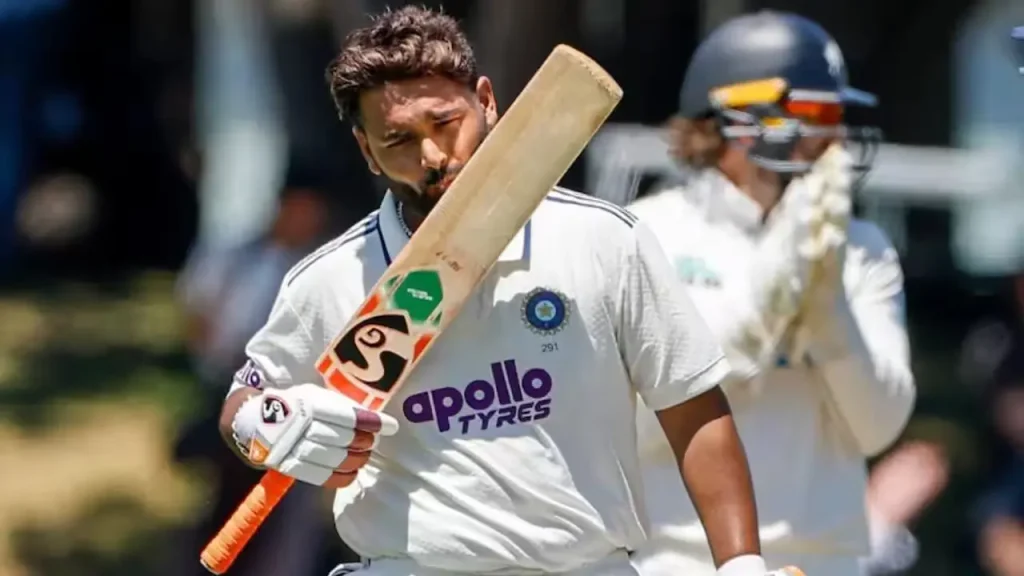
Rahul reached his century from 207 balls shortly after lunch, then kept India moving deep into the day before Nathan Smith finally dismissed him for 136 off 290 balls in the final session. It was the sort of innings that began with uncertainty and ended with dominance.
Partnerships push India into command
India’s reply gathered real momentum through key partnerships. Rahul and Devdutt Padikkal added 165 runs across 55 overs, a stand that broke the pressure New Zealand had built early in the innings. Padikkal made 80 before Kyle Jamieson found the breakthrough with the new ball.
Earlier, Yashasvi Jaiswal had contributed 85, which meant India’s top order kept stacking the runs in a relentless sequence. By stumps, India had moved to 486/4 and led by 118 runs, flipping the match firmly in their favor.
| Team | Score | Lead/Deficit |
|---|---|---|
| New Zealand | 368 all out | – |
| India | 486/4 | Lead by 118 |
A century with extra meaning
This was Rahul’s 13th Test hundred and one of the most significant of his recent career. It was his second-biggest Test century in the last eight years and also completed a special milestone: he has now scored Test hundreds in every major Test-playing nation outside the subcontinent.
That statistic underlines the quality of the knock, but the bigger story may be how it unfolded. Rahul did not just survive a major scare; he transformed it into control, confidence, and a match-defining innings.
The final chapter of the two-Test series now shifts to Christchurch next week, with India carrying the momentum and New Zealand left wondering what might have been if that review had been taken.