
Now Reading: Shubman Gill Hints Siraj Could Miss 2nd Test vs NZ
-
01
Shubman Gill Hints Siraj Could Miss 2nd Test vs NZ


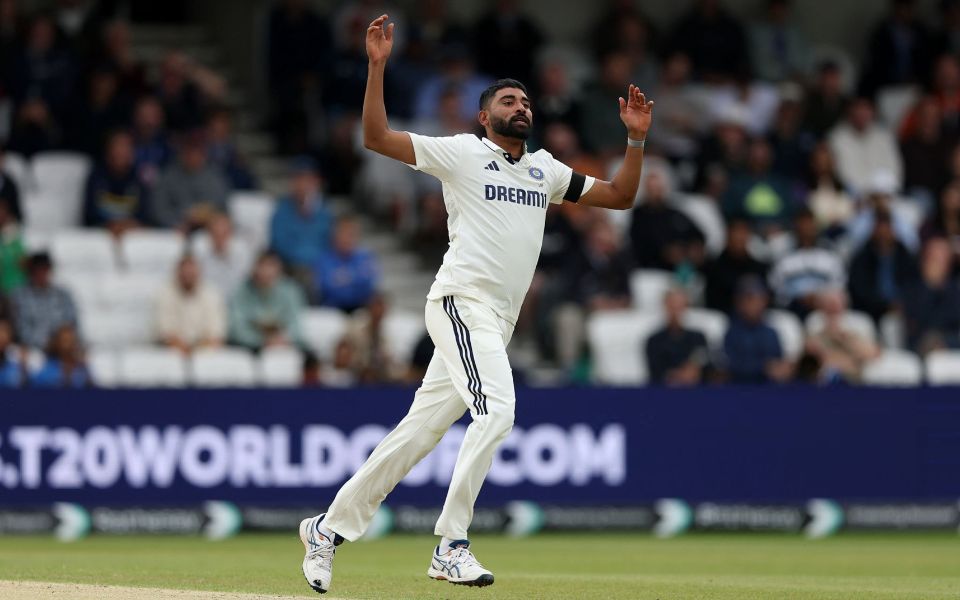
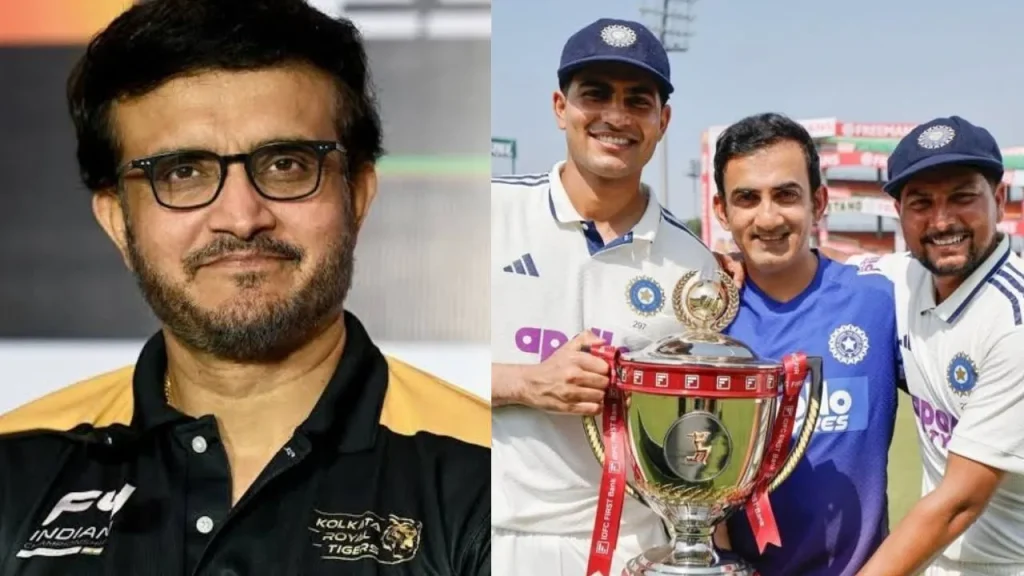
Shubman Gill has sparked a fresh selection debate by strongly hinting that Mohammed Siraj may again miss out when India face New Zealand in the second Test at Christchurch. After a hard-fought draw in Wellington, the India captain said the team had chosen the best attack available on current form, even while admitting that leaving out Siraj was a difficult call.
Gill makes the selection call clear
Gill did not dress up the decision in vague language. He said the management picked “the best attack” for the first Test and explained that Siraj had been informed before the match.
“Siraj’s a really good friend and dropping him was a really tough call,” Gill said. “We have played a lot together, and I’ve known him since early days.”
That clarity is what has caught attention. In a sport where captains often avoid direct answers, Gill’s comments suggested that form, conditions and balance were the main factors behind the call, not reputation or seniority.
Current form tipped the balance
Gill also said that a player could force his way back through performances, underlining that India’s selection process remains open-ended. His message was simple: no one is permanently out, but nobody is guaranteed a place either.
“Every player will see a phase where they are not at their peak, and we picked on current form,” Gill added. “A player can make a comeback by performing well.”
He then hinted that India would not make major changes for the second Test. “In the second Test, most of the team would be similar,” he said, a remark widely read as a sign that the four-man pace attack could stay intact.
Why India backed the existing attack
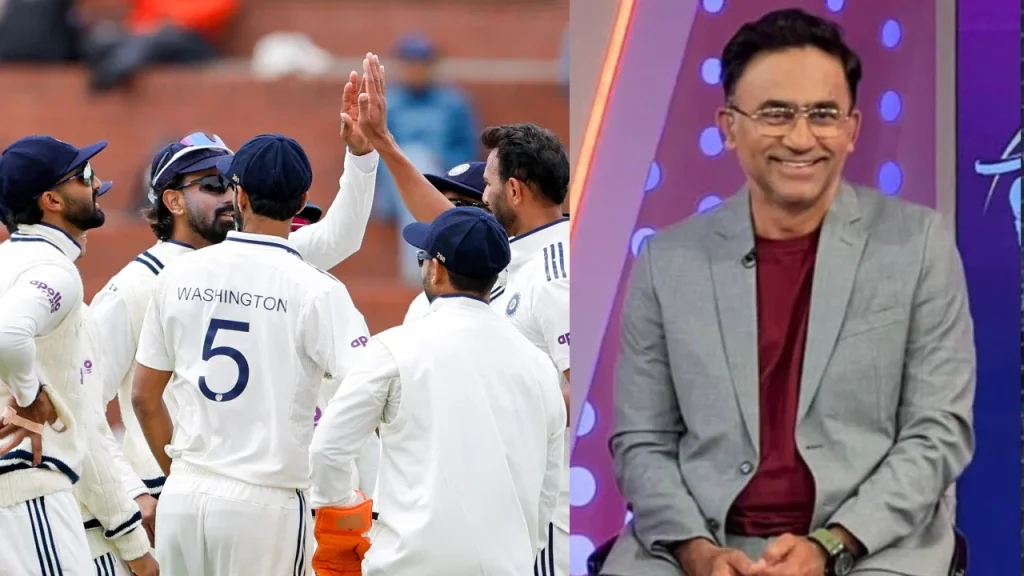
India’s first-Test pace group featured Jasprit Bumrah, Akash Deep, Anshul Kamboj and Prasidh Krishna, with Washington Sundar providing the spin option. Siraj and Gurnoor Brar were the bowlers left out, a choice that was defended by the team management based on conditions and balance.
Assistant coach Sitanshu Kotak pointed to the damp, grassy surface and the need for height and bounce from the quicks. He also noted that India wanted extra batting depth lower down the order, which helped shape the XI.
Kotak said there was nothing wrong with Siraj, but that the combination chosen was the best available option for those conditions. That support from within the camp suggests the decision was not about a single bowler’s quality, but about the overall makeup of the side.
| India’s first-Test pace options | Role |
|---|---|
| Jasprit Bumrah | Lead strike bowler |
| Akash Deep | Seam support |
| Anshul Kamboj | Extra batting depth |
| Prasidh Krishna | Height and bounce |
| Washington Sundar | Spin all-round option |
Siraj’s numbers still make the debate harder
Even so, Siraj’s omission has not gone down quietly. He arrived on the tour with an excellent away record, having taken 144 wickets in 48 Tests, with 108 of those coming away from home or at neutral venues. That kind of record explains why many fans and analysts felt his exclusion was tough to justify.
His recent returns, however, have been below his usual standards. In 2026, he took five wickets at 28.60 across three Tests, and he has spoken about how a two-month break disrupted the rhythm of his run-up.
The contrast between his broader Test record and his recent form is what makes this selection call so difficult. As one cricket observer put it, “If you are picking for the next match alone, you look at the pitch. If you are picking for the series, you also have to trust proven quality.”
Wellington draw keeps the pressure on India
India’s batting first helped shape the outcome of the opening Test, with the visitors piling up 720/9 and keeping New Zealand under pressure for long stretches. The result ended in a draw, but the pitch offered little assistance for bowlers and the match was more about patience than breakthroughs.
That context matters because it means the attack did not fail in any dramatic way. Instead, the game drifted toward a dead finish despite India’s dominant scoreboard position. In that sense, Gill’s backing of the same core group appears to be based on trust in the overall team plan rather than any panic after the draw.
What comes next in Christchurch
The second Test at Hagley Oval now carries extra weight, with the series level at 0-0 and India’s World Test Championship ambitions firmly in view. If the same bowling unit is retained, Siraj will have to wait for another opening, and the pressure will only increase on the pacers who keep their places.
Gill’s stance is straightforward: selection rewards performance, not sentiment. That may be uncomfortable for Siraj, but it also sends a clear message to the dressing room that spots must be earned every time.
For now, the big question is whether India stay loyal to the combination that drew in Wellington or tweak it for Christchurch conditions. Gill has made his preference obvious, and that alone has turned Siraj’s omission into one of the biggest talking points of the series.