
Now Reading: Did Gambhir Get It Right in Wellington Draw?
-
01
Did Gambhir Get It Right in Wellington Draw?



India did almost everything right in Wellington for four-and-a-half days, only to watch New Zealand survive on the final afternoon. What looked like a comfortable path to victory ended in a draw, and the debate quickly shifted from the pitch to Gautam Gambhir’s bold selection calls.
The opening morning at the Basin Reserve suggested a fast-moving Test. New Zealand were reduced to 70/5, India had control, and the surface initially offered seam and movement. But as the match wore on, the wicket flattened out, the bounce faded, and what had been a lively contest turned into a stubborn survival act.
India controlled the Test, but not the ending
India set the tone for most of the match and even declared at a mammoth 720/9, putting New Zealand under pressure from the start. Yet the hosts refused to collapse in the final stretch, with Daryl Mitchell and Glenn Phillips combining for a gritty rescue act that kept India out.
That final partnership changed the mood of the Test. What had looked like a showcase of India’s depth and discipline became a familiar question in red-ball cricket: was the XI strong enough to force the issue when the pitch went dead?
The surface changed the entire conversation
The Basin Reserve has a reputation for helping seamers, and early on it did exactly that. But the match drifted into a dead patch where the ball neither seamed nor bounced enough to trouble set batters.
That shift matters because selection debates are often judged in hindsight. A team can look conservative or bold based on the result, but in Wellington the surface itself became the biggest factor in deciding what kind of attack could succeed.
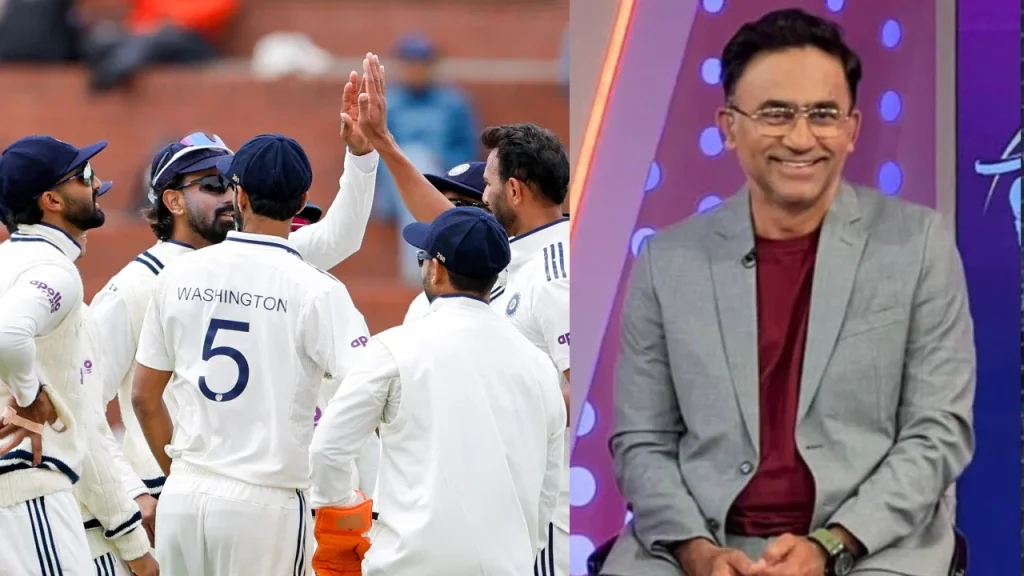
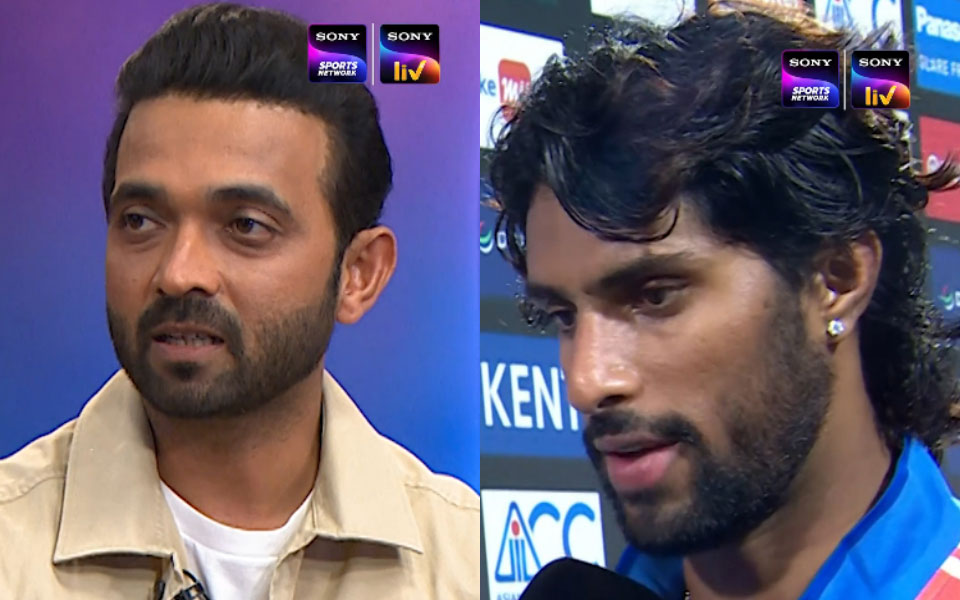
As one Indian support-staff voice pointed out, the logic behind the XI was grounded in conditions. Assistant coach Sitanshu Kotak said the side was built for “extra height and bounce” on a damp and grassy first day, while the management also wanted added batting depth.
“We played the best attack for this match,” Shubman Gill said, underlining that the call was based on current form and conditions, not reputation.
Why Siraj’s omission drew attention
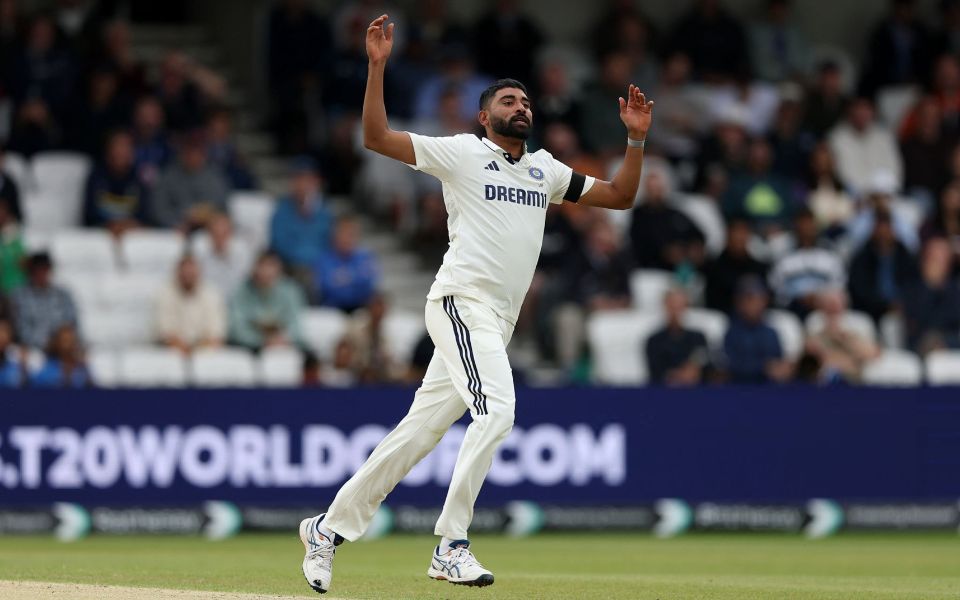
The biggest talking point was Mohammed Siraj missing out in favor of Prasidh Krishna and Anshul Kamboj. Given Siraj’s senior status and match-winning reputation, the decision was always going to trigger debate, especially after India failed to close the game out.
But the criticism is not as straightforward as it first appears. Krishna and Kamboj both hit the deck hard and helped India control phases of the contest, particularly when the wicket still had some life. On the final day, however, the pitch had lost much of its assistance, making it difficult to argue that Siraj would have dramatically altered the result.
Siraj’s recent red-ball returns also kept him in the spotlight. He managed five wickets at 28.60 across three Tests in 2026, and he has spoken about a two-month break that disturbed the rhythm of his run-up.
Could Siraj have made the difference?
That is the question dividing fans. Supporters of the selection point out that the wicket offered little for seam movement late in the match, while others believe a bowler of Siraj’s class always deserves a place in an important Test.
Gill’s explanation was practical. He said the call was made on current form and that the door remained open for Siraj to force his way back with performances. It is a firm selection message, but not necessarily a permanent one.
Still, the more difficult omission to defend was Ravindra Jadeja.
The Jadeja call remains the boldest gamble
India chose Washington Sundar over Jadeja, and that call became even more controversial as the final day unfolded. When a Test is drifting toward a draw and the opposition still has wickets in hand, Jadeja’s experience, control and ability to build pressure can become priceless.
Sundar did the job asked of him over the course of the match, bowling 55 overs and taking one wicket. But the lack of turn on the surface limited what he could do, and India seemed to miss Jadeja’s relentless accuracy in the decisive phase.
On a day when the frontline bowlers were running on fumes, India even turned to part-timers Yashasvi Jaiswal, Dhruv Jurel and Devdutt Padikkal in search of a breakthrough. That underlined just how exhausted the attack had become.
Jadeja may not have guaranteed a result, but his presence would likely have given India more control. That is why his omission will linger longer in the memory than Siraj’s absence.
Selection debate or pitch problem?
In the end, this was a Test where both arguments have merit. Gambhir and Gill backed a team they believed suited the opening conditions, and for most of the match that logic held up. India dictated play, posted an enormous total, and put New Zealand under serious strain.
Yet cricket is rarely judged only on the first four days. The final day exposed the limits of the surface, the fatigue in the bowling group, and the difficulty of breaking a determined stand on a flat wicket.
Gill made that point plainly when asked whether Siraj or Jadeja could have changed the result. “I don’t think so,” he said, effectively placing more blame on the pitch than the XI.
That may be the strongest conclusion from Wellington. India were not undone by a disastrous team selection. They were denied by a pitch that lost life, a weary attack, and two batters who refused to give in.
The series remains level at 0-0, and the second Test in Christchurch begins on November 27. If Wellington taught anything, it is that India may not need wholesale changes at all. The bigger challenge might simply be finding a pitch that offers a finish.