
Now Reading: Ajit Agarkar’s BCCI Future in Doubt After Last Selector Meeting
-
01
Ajit Agarkar’s BCCI Future in Doubt After Last Selector Meeting


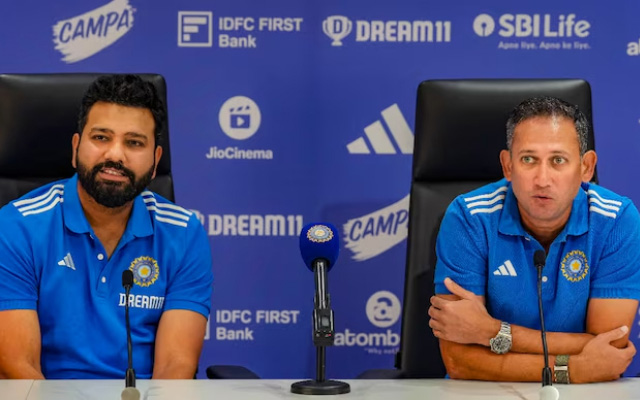
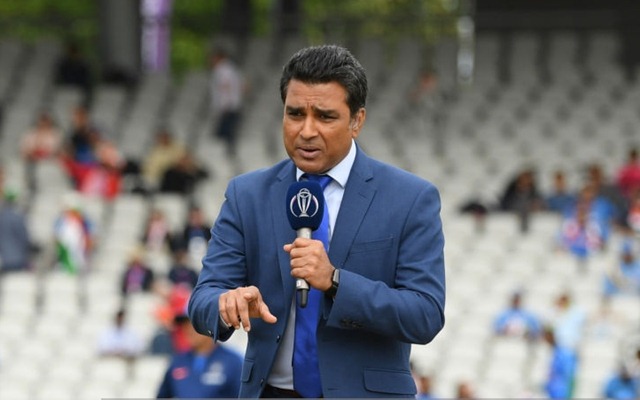
Ajit Agarkar’s time as India’s chief selector appears to be heading toward a tense finish. A fresh report has suggested that the BCCI is unlikely to extend his term, making Wednesday’s squad meeting for the West Indies series potentially his last as chairperson of the selection panel.
Appointed in July 2023, Agarkar took charge at a transformative phase for Indian cricket. His tenure has already seen major calls, including leadership changes and a renewed focus on a younger core. But as the selection meeting for the three-match ODI series against the West Indies approaches, attention has shifted from the squad itself to the man shaping it.
Agarkar’s tenure appears close to its end
According to journalist Abhishek Tripathi, the BCCI has not indicated any intention to extend Agarkar’s contract. He also reported that no meeting had been held between Agarkar and any BCCI official, increasing the uncertainty around the selector’s future.
“Today, Ajit Agarkar’s last selection committee meeting could take place. The BCCI has given no indication so far of extending his term,” Tripathi posted on X. That development has triggered widespread discussion, especially because the board is expected to make a decision within a narrow timeline.
Sources suggest that if Agarkar steps away, a replacement could be drawn from within the existing cricket ecosystem, with VVS Laxman among the names being mentioned. However, no official confirmation has been made yet.
Results in white-ball cricket stand out
Agarkar’s biggest success as selector has come in limited-overs cricket. Under his watch, India have been one of the most consistent teams in world cricket, reaching four ICC finals and winning three of them. That record has strengthened the perception that the white-ball setup has been stable and competitive.
His stint also coincided with bold leadership decisions, including the promotion of Shubman Gill and the transition away from senior figures such as Rohit Sharma and Virat Kohli in certain formats. Those calls reflected a longer-term vision from the selection committee.
At the same time, the panel has faced criticism for a few selection calls that divided opinion. The exclusion of players such as Mohammed Shami, Sarfaraz Khan and Yuzvendra Chahal sparked debate, especially as fans and analysts questioned the balance between form, fitness and continuity.
Test struggles have added pressure
While India’s white-ball record has remained strong, the Test side has struggled badly during the same period. Two home whitewashes and an uneven run in red-ball cricket have raised serious questions about the direction of the longest format.
India’s current position in the WTC 2025/27 standings only adds to the concern. The Shubman Gill-led side sits fifth on the table with 51.52 percent points, even below Bangladesh. For a team with India’s talent pool and expectations, that is a sobering picture.
Those struggles have inevitably placed pressure on the selection process, even if Agarkar is not the only figure under scrutiny. Head coach Gautam Gambhir has also been part of the wider discussion around the team’s recent red-ball dip.
Last chance to end on a high
If the West Indies selection meeting does turn out to be Agarkar’s final assignment, it will carry extra weight. The BCCI must balance squad planning, workload management and replacement options, all while several players are likely to be unavailable due to overlapping commitments.
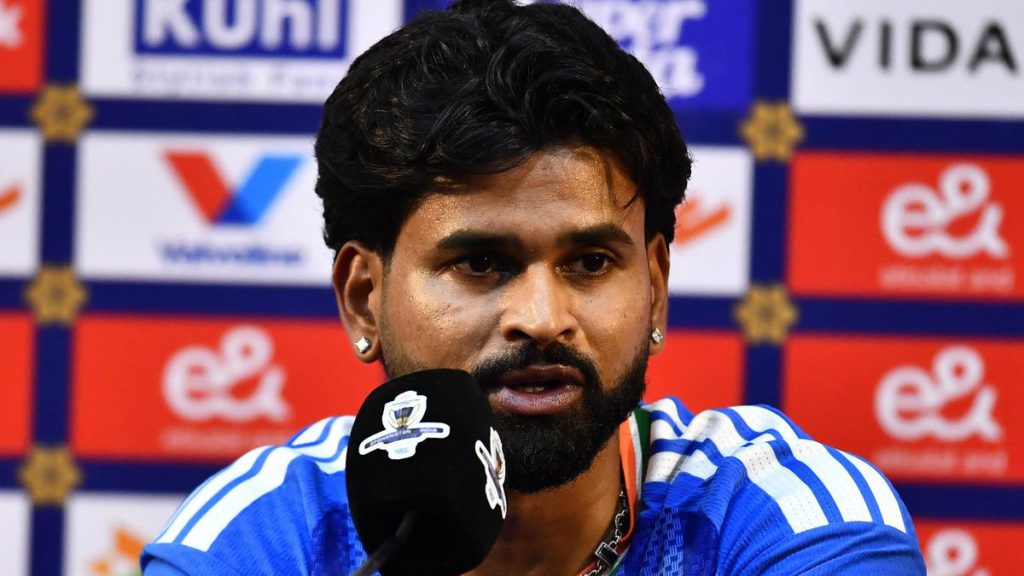
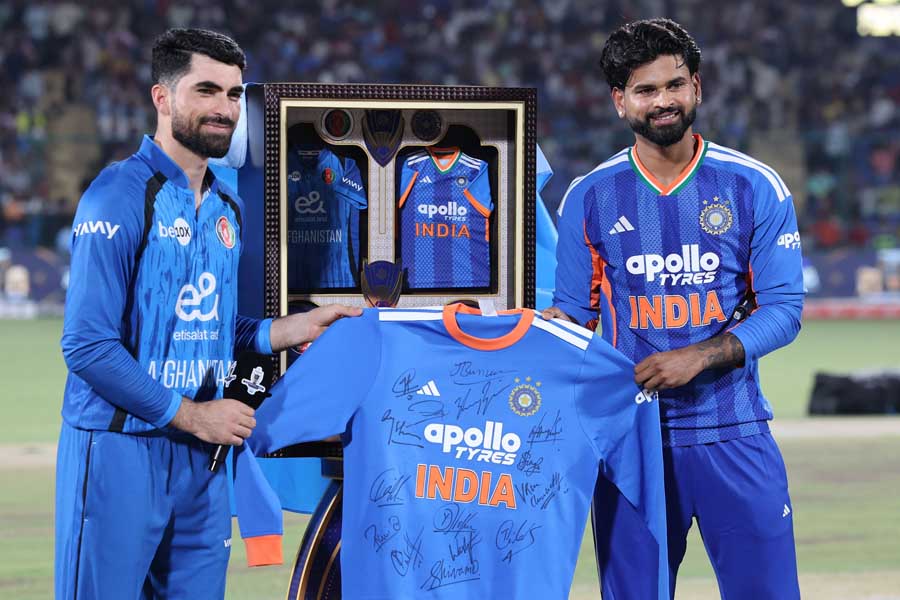
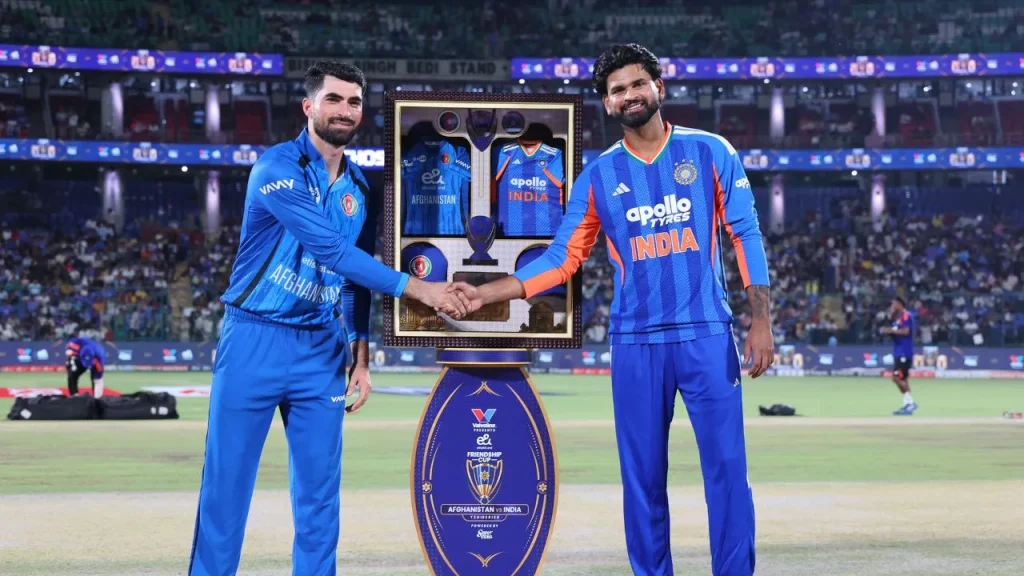
That includes the Shreyas Iyer-led T20I group, which is expected to be on Asian Games duty at the same time. The selectors will therefore need to identify reliable backups for core players while also keeping an eye on injuries and form.
For Agarkar, the challenge is simple but significant: finish strongly. Whether or not his exit is officially confirmed, this meeting has become more than a routine selection exercise. It now feels like a turning point in India’s cricket administration.
One insider view summed up the mood around the panel: “Selection is always judged by results, but timing matters too. When a team is in transition, every call gets magnified.”
As the BCCI weighs its next move, the focus will remain on the West Indies squad first and Agarkar’s future second. But given the reports emerging now, both may be decided at the same table.