Now Reading: Australia vs England: Powerplay and death-overs specialists to watch
-
01
Australia vs England: Powerplay and death-overs specialists to watch


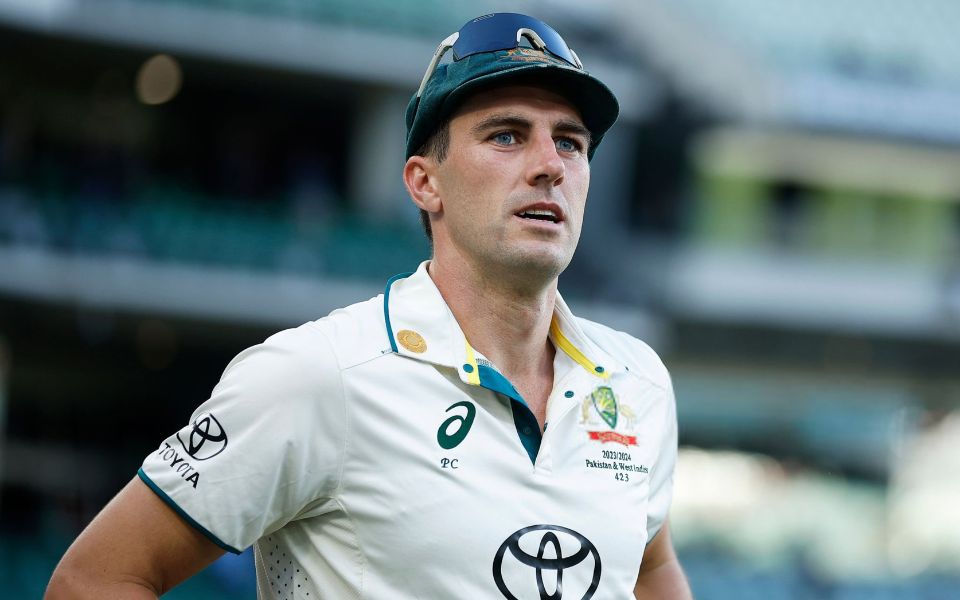
Australia and England begin a five-match T20I series with plenty of firepower on both sides, and the first clash at the Melbourne Cricket Ground promises a battle of roles as much as talent. With explosive powerplay hitters and proven death-overs specialists in the mix, the opening match could quickly swing on a few decisive overs.
Big start, big finish: where the match could be decided
The first T20I on Saturday, November 21, is not just about form at the top of the order. It is also about which side handles the new ball better, and which finishing unit can turn a par total into a winning one. Australia will look to use home conditions well in their first home T20I series of the year, while England arrive unbeaten in bilateral T20Is in 2026, having won all 10 completed matches.
That backdrop makes the specialist matchups even more important. In modern T20 cricket, the first six overs can define momentum, while the final five often decide the result. Both teams have options built for exactly those phases.
Australia’s powerplay punch
Mitchell Marsh is expected to be Australia’s key powerplay batter. The captain has long been known for his aggressive intent at the top, and his T20I numbers back up that reputation. Since 2025, he has scored 437 runs, the most by any Australian batter in that period, while maintaining a strike rate of 150.69.
His overall career strike rate in T20Is is above 147, which reflects how quickly he can shift pressure back onto the bowlers. For Australia, that early burst matters, especially against an England attack looking to strike with the new ball.
In the bowling department, Riley Meredith is expected to take the new ball, particularly with several first-choice pace options unavailable. The fast bowler has taken 45 wickets in BBL powerplays at an average of 25.62, a strike rate of 19.27 and an economy of 7.98. He has also picked up four powerplay wickets at the MCG in the Big Bash League.
Powerplay options can shape the tone
Australia’s best early-overs formula may be simple: attack with Marsh, then apply pressure through pace and aggression in the field. If Meredith finds movement or early wickets, the hosts can put England under immediate strain.
As one team source reportedly noted, the match-up is likely to be less about individual brilliance alone and more about who controls the first 18 balls after the fielding restrictions begin. That is often where T20I matches at the highest level are won.
England’s explosive opening and late acceleration
England come in with strong numbers of their own. Phil Salt has been one of the most destructive powerplay batters in the format, scoring 1,009 runs in 55 T20I innings at an average of 34.79 and a strike rate of 162.22. Since 2025, he has maintained a strike rate of 159.74, which shows how consistently he attacks from the outset.
Alongside him, England will likely depend on Luke Wood with the new ball. In T20Is, the left-armer has taken eight wickets at an average of 37.38 and a strike rate of 27.0. In the absence of Jofra Archer, his role becomes even more important in ensuring Australia do not get away early.
England’s batting depth also gives them a strong ending. Will Jacks has been a dangerous hitter in the death overs, scoring 188 runs at an average of 31.33 and a strike rate of 191.84 in that phase. If the game goes deep, he could be one of the most influential batters on the field.
Death overs could bring the real drama
The final overs often separate good T20 sides from great ones, and both teams have specialists for that stage. Tim David has been sensational in 2026, striking at an extraordinary 247.42 in the death overs across all T20 cricket. That level of aggression makes him a major threat if Australia preserve wickets for the last five overs.
Henry Thornton is another interesting Australian name. Expected to make his T20I debut, he could be handed late-overs responsibility straight away. He has claimed 12 BBL wickets in the death overs at an economy of 11.58 and a strike rate of 9.4, suggesting he brings wicket-taking threat even if the scoring rate stays high.
England, meanwhile, can lean on Sam Curran in the same phase. The left-arm seamer has taken 25 T20I wickets in the death overs, with an economy of 9.37 and a strike rate of 14.04. His variations and experience often make him a trusted option when the pressure peaks.
The finishing battle may decide the opener
This contest has the ingredients for a classic T20I arm wrestle. Australia have the explosive starts through Marsh and the closing power of David, while England bring Salt’s early aggression and Curran’s control at the death. If either side wins both of those phases, the scoreboard could tilt quickly.
With England unbeaten in bilateral T20Is this year and Australia defending home conditions, the first match offers more than just a series opener. It is a test of timing, temperament and how well the specialists deliver when the margin for error disappears.
In a short-format contest packed with pace, power and pressure, the team that owns the first six overs and the last six may well own the night at the MCG.
| Player | Phase | Key Stat |
|---|---|---|
| Mitchell Marsh | Powerplay batting | 437 runs since 2025, strike rate 150.69 |
| Riley Meredith | Powerplay bowling | 45 wickets, economy 7.98 |
| Tim David | Death overs batting | Strike rate 247.42 in 2026 |
| Phil Salt | Powerplay batting | 1,009 runs, strike rate 162.22 |
| Will Jacks | Death overs batting | Strike rate 191.84 |
| Sam Curran | Death overs bowling | 25 wickets, economy 9.37 |