
Now Reading: Blair Tickner ruled out of Christchurch Test with hamstring injury
-
01
Blair Tickner ruled out of Christchurch Test with hamstring injury



New Zealand have been forced into an early change before the second Test against India, with Blair Tickner ruled out after suffering a right hamstring injury during the Wellington week. The pace bowler will not be available for the match at Hagley Oval, leaving the Black Caps to adjust their seam attack for the Christchurch contest.
Tickner setback arrives before crucial Christchurch Test
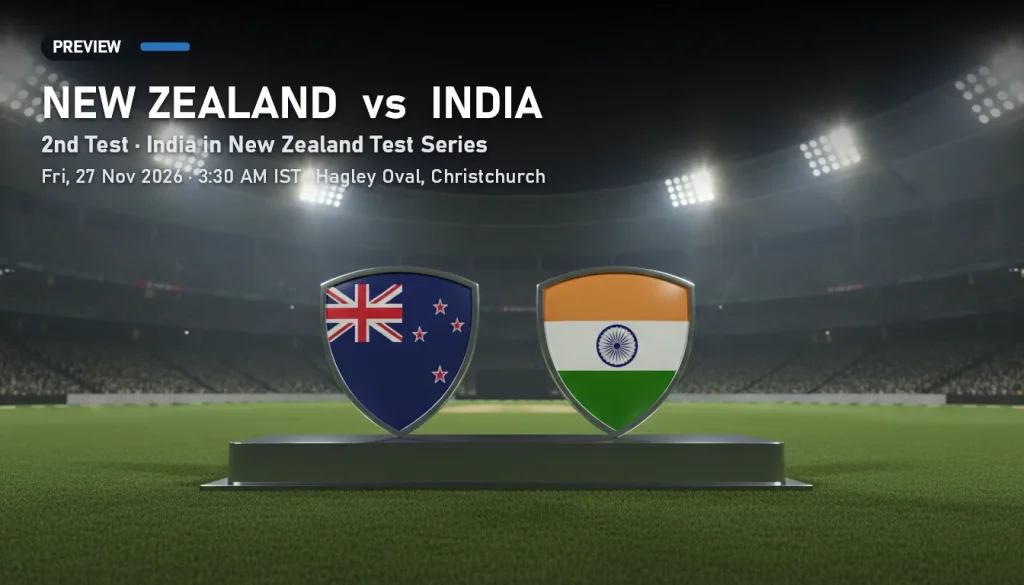
New Zealand Cricket confirmed on November 23 that Tickner is unavailable for the second Test, which begins on November 27. The injury means he will miss a fixture that had already grown in importance after the first Test in Wellington ended in a draw.
Tickner was not part of the playing XI in the opening Test, but he had remained in the frame for selection ahead of the Hagley Oval match. That conversation has now ended, with the right-arm seamer set to undergo further assessment and no return-to-play timeline confirmed.
For New Zealand, the timing is less than ideal. They are already managing injury concerns in their bowling group, and another withdrawal reduces flexibility at a venue where pace bowlers are expected to play a major role.
Matt Fisher gets the call-up
Matt Fisher has been brought into the 14-man squad as Tickner’s direct replacement. The seam option gives New Zealand cover ahead of a Test that could shape the rest of their World Test Championship campaign.
Fisher arrives with limited but useful experience at Test level, having already played one red-ball international for New Zealand. His inclusion also reflects strong recent involvement in the white-ball series against India, where he did enough to stay in the selectors’ thoughts.
One New Zealand insider view of such a replacement is straightforward: when a home Test is likely to demand seam depth, having another ready-made pace option matters as much as raw experience. Fisher now has the chance to turn that trust into impact.
Why Tickner’s absence matters
Tickner has become a meaningful part of New Zealand’s pace depth in a short span. Across six Tests, he has taken 22 wickets, including a five-wicket haul and two four-wicket hauls, a record that underlines his ability to contribute in bursts when conditions suit.
That wicket-taking profile is exactly why his absence is a blow. Even though he did not feature in the first Test, New Zealand had clearly viewed him as a viable option for Christchurch before the hamstring issue intervened.
His injury also removes a bowler who has shown the ability to attack in the middle overs and support the frontline pace unit. With Mitchell Santner also ruled out for this match, the hosts are heading into a second straight Test without two important names from their broader attack.
Hagley Oval still offers hope for seamers
The Hagley Oval surface traditionally assists fast bowlers, and that history should keep New Zealand competitive despite the personnel change. The hosts will still expect movement, bounce and lateral assistance if conditions remain typical for Christchurch.
That makes Fisher’s selection particularly relevant. New Zealand may not have their first-choice combination available, but they do have enough seam resources to attack India in conditions that often reward disciplined pace bowling.
India, meanwhile, arrive after avoiding defeat in Wellington, and the draw has left the series finely poised. The second Test now carries added weight for both sides, especially with the World Test Championship table tightening around every result.
WTC pressure adds extra edge
The drawn first Test cost New Zealand second place in the World Test Championship standings, sharpening the significance of the Christchurch clash. A win at Hagley Oval would allow the hosts to recover ground in the table and restore momentum in the cycle.
For India, the equation is different but still important. They leave Wellington with one result secured, but a strong performance in Christchurch would strengthen their position and keep the series under control away from home.
The broader picture is clear: both teams are walking into a decisive Test with injury management, selection calls and surface conditions all shaping the narrative. New Zealand must now find the right balance without Tickner and Santner, while still backing their pace battery to do the job.
What comes next for New Zealand
Tickner’s medical review will determine the severity of the hamstring issue and his potential return date, but for now the focus shifts entirely to Christchurch. New Zealand have the chance to reset quickly, and the selection of Fisher suggests they are planning to stay aggressive with the ball.
The message from the hosts is simple: adapt quickly, protect the attack, and make Hagley Oval work in their favour. If the seamers strike early, the injury setback could still be absorbed. If they do not, Tickner’s absence may loom even larger by the end of the match.
As one cricket observer might frame it, the Test is no longer just about who New Zealand selected. It is about how well they can cover the gaps left by the injuries and still turn home conditions into an advantage.