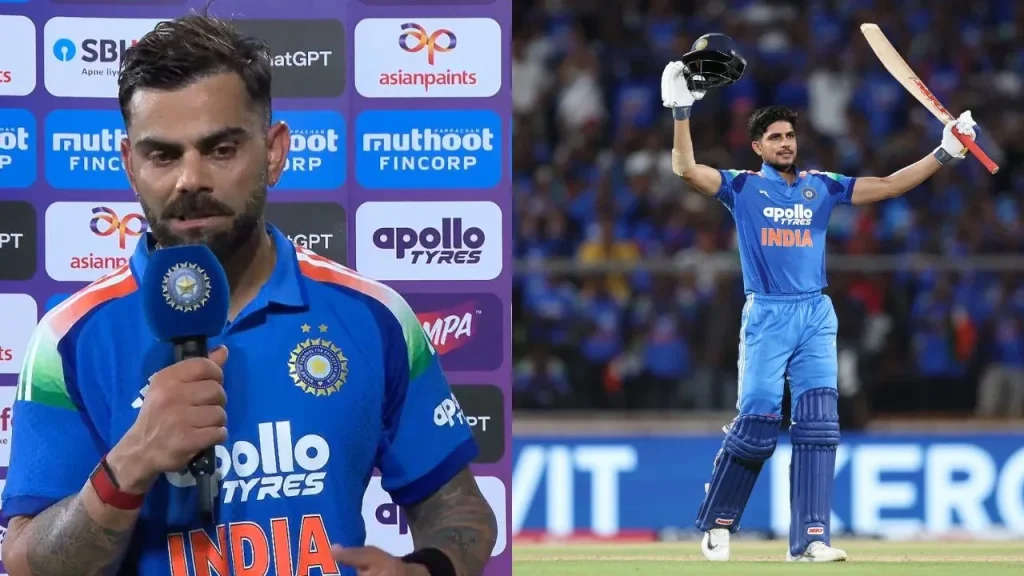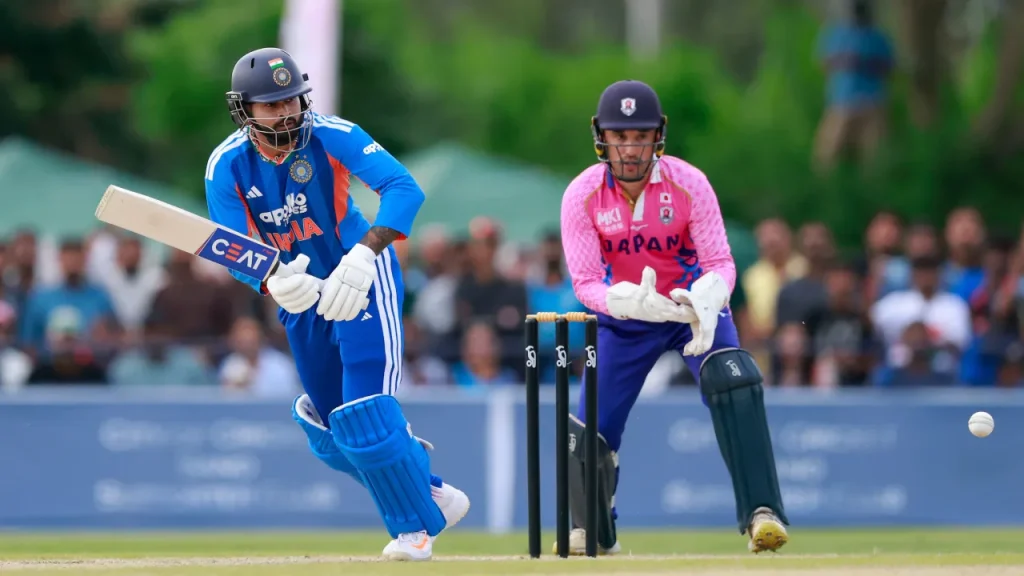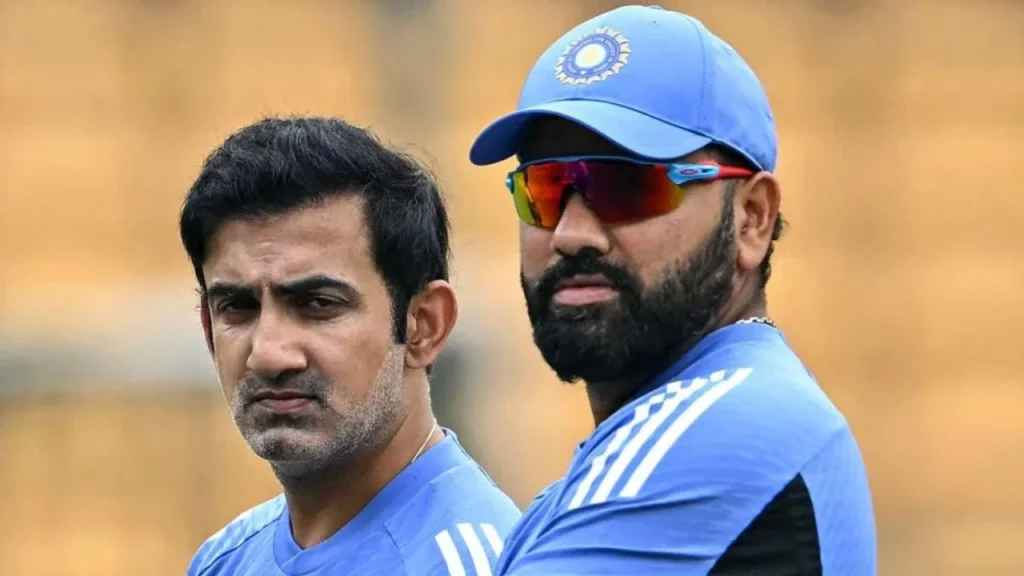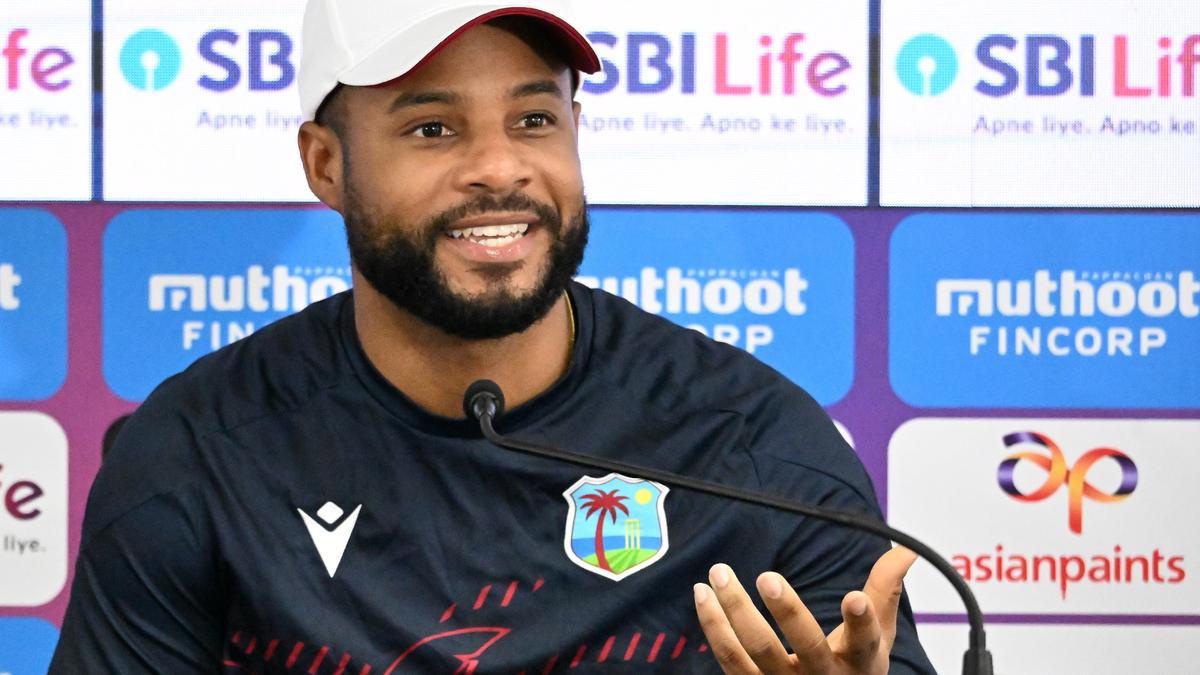



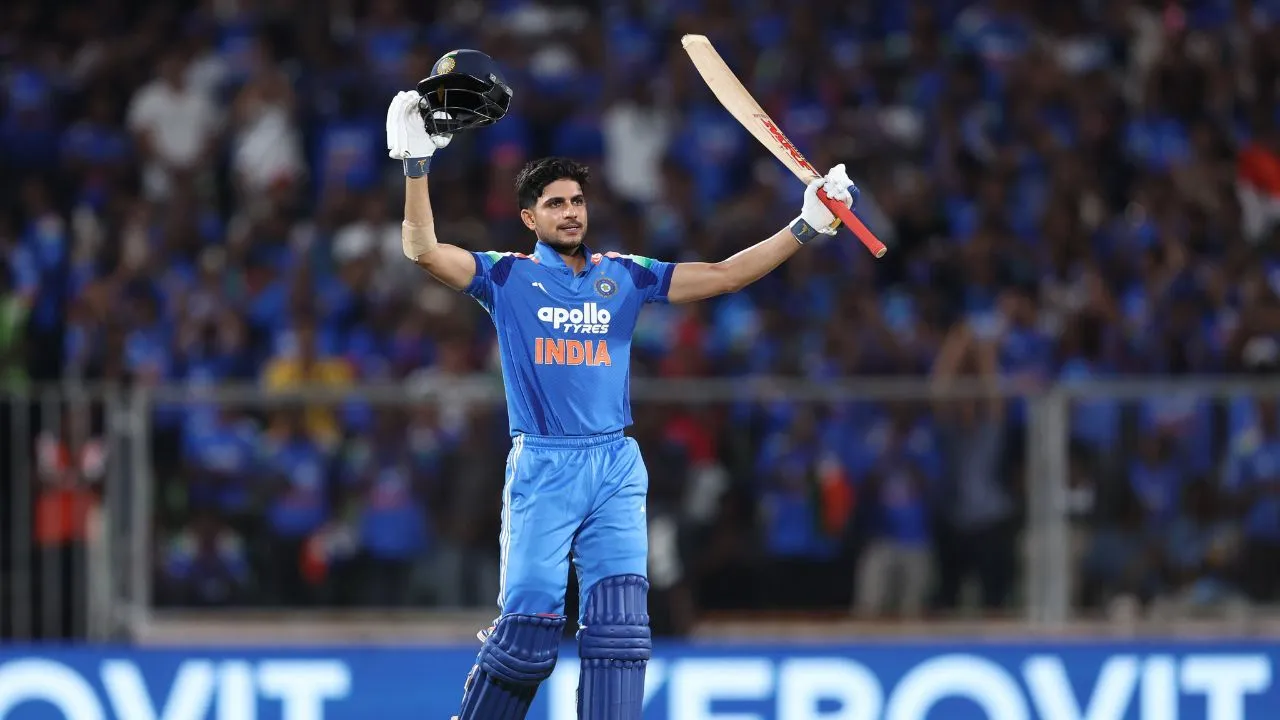
India’s decision to leave Mohammed Siraj out of the playing XI for the first ODI against West Indies quickly became the biggest talking point of the match. What looked like a selection call aimed at long-term planning instead triggered a wave of frustration online when West Indies openers John Campbell and Justin Greaves put India under immediate pressure.
India’s XI Draws Instant Heat
Shubman Gill’s side opted to bowl first and handed an ODI debut to Naman Dhir, while Siraj was left out of the final XI. India also fielded a bowling unit built around Gurnoor Brar, Prasidh Krishna, Kuldeep Yadav, Ravindra Jadeja and Nitish Kumar Reddy, with Dhir offering part-time support.
The call was always likely to attract scrutiny because Siraj has been one of India’s more reliable fast-bowling options in recent times. But the criticism intensified once West Indies settled in and began scoring freely against a attack that lacked its usual edge.
West Indies Openers Punish Loose Start
Campbell and Greaves stitched together a fluent opening partnership of 135 runs, turning the early overs into a grind for India. Campbell eventually fell to Kuldeep Yadav, but Greaves stayed unbeaten and continued to close in on a century, keeping the pressure firmly on the visitors.
| Metric | Value |
|---|---|
| Opening partnership | 135 runs |
| Score at 15 overs | 107/0 |
| Score at 24 overs | 155/1 |
| Debutant in XI | Naman Dhir |
By the 15-over mark, West Indies were already 107 without loss, a scoreline that made the selection debate even louder. At 24 overs, they had reached 155 for 1, a position that reflected both the batting-friendly conditions and India’s inability to take early wickets.
Fan Backlash Targets Management Decisions
Social media reactions came fast, with many fans questioning both the XI and the tactical choices made during the powerplay. One supporter posted that there had been “poor planning” from Shubman Gill and Gautam Gambhir, pointing directly to Siraj’s omission and Dhir’s lower-order role.
Another fan criticised the team’s rhythm in the field, saying there were “clueless” decisions in the first 10 overs, including the use of Ravindra Jadeja as the ninth over option. The sentiment across platforms was clear: India’s plan looked exposed once West Indies got through the new ball unscathed.
“Selection debates get louder when the opposition starts fast,” one cricket observer noted in reaction to the innings. “If the bowlers miss early chances, every omission feels bigger than it did at the toss.”
Long-Term Vision Meets Short-Term Risk
India’s decision was not made in isolation. The management appeared willing to take a development-first approach by giving opportunities to younger players and workload management to senior pacers. That context matters, especially in a long series where form, fitness and workload often influence selections.
Still, the short-term risk was obvious. Leaving out an experienced wicket-taking seamer like Siraj meant India had less proven pace pressure upfront, and West Indies were quick to take advantage of the space they were given. On a flat pitch, that is often enough to change the mood of a contest.
There was also wider frustration among fans who pointed to India’s ongoing rotation of strike bowlers across formats. Some questioned why Jasprit Bumrah continues to miss bilateral series at times, while others argued that the side has become overly dependent on flexible, multi-role players at the expense of specialist options.
Why the Criticism Is Loud, But the Match Is Not Over
Even so, the situation is still only halfway through the story. A poor first 24 overs is not the same as a finished result, and India still had time to respond with its remaining bowling resources. The pitch that looked flat early could yet become more difficult if wickets fall in clusters and pressure builds.
That is what makes the selection discussion so interesting. If India pulls this match back, the omission of Siraj and the inclusion of younger options will be framed as part of a broader future-focused plan. If not, the debate over caution versus experimentation will only grow louder.
For now, the numbers explain the frustration: a strong West Indies opening stand, no early wickets, and a visibly unsettled India attack. The final verdict, however, will depend on how the rest of the ODI unfolds and whether the gamble pays off in the bigger series picture.
India’s management wanted a chance to build depth. West Indies, at least early on, made that choice look expensive.