


India and West Indies served up a match for the record books in Guwahati, but the talking point quickly moved beyond the scorecard. What should have been remembered as a stunning chase and a parade of centuries instead sparked a fresh backlash over the Barsapara pitch, which many fans felt turned a marquee ODI into a batting exhibition.
West Indies piled up 405 for 7, their highest-ever ODI total, before India chased down 406 in 43.3 overs to seal a remarkable win. The game produced more than 800 runs across two innings and featured five centuries, yet the sense of spectacle came mixed with frustration as supporters questioned whether the surface had allowed any real balance between bat and ball.
A record chase, but a louder pitch debate
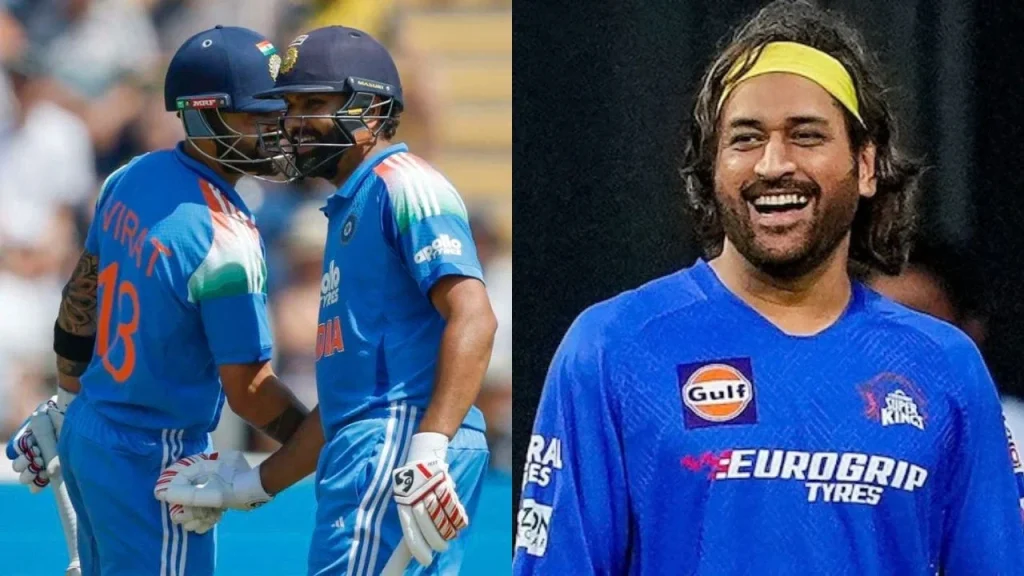
India’s response was powered by Rohit Sharma and Shubman Gill, who turned a daunting target into a statement victory. Gill’s double hundred and Rohit’s century made the chase look almost routine at times, even though the target was the second-highest successful run chase in ODI history.
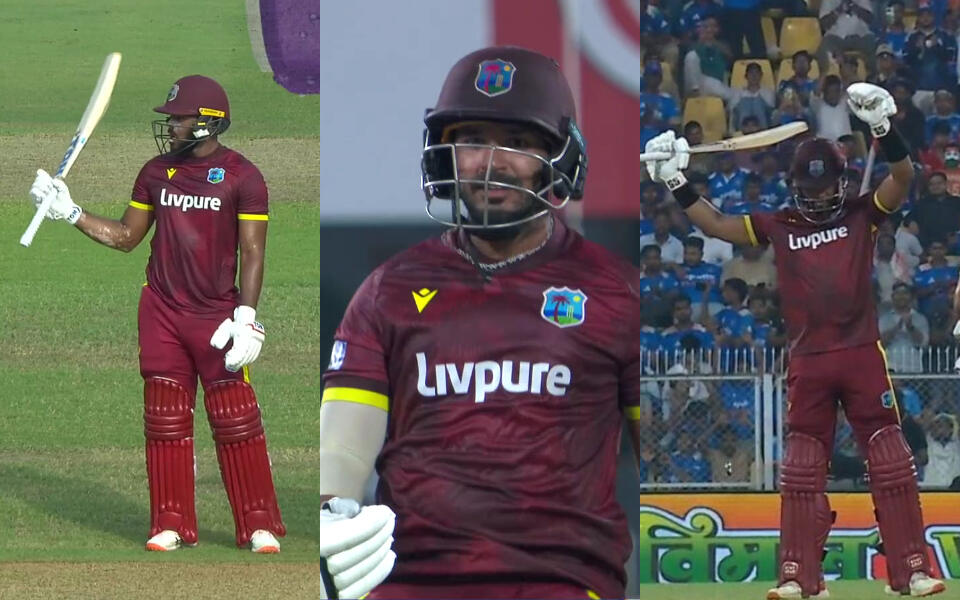
For West Indies, John Campbell, Amir Jangoo and Shai Hope all reached three figures in the first innings. Yet despite the batting brilliance on both sides, the discussion after the match centered on one question: was this an ODI pitch or simply a road?
What the numbers showed
| Stat | Figure |
|---|---|
| West Indies total | 405/7 |
| India chase | 406/5 |
| Overs taken by India | 43.3 |
| Total runs in match | 800+ |
| Centuries in match | 5 |
Those numbers painted a clear picture. Batters dominated from the opening overs to the finish, and the bowlers were left with very little margin for error on a surface that offered minimal assistance.
Fans lash out at Barsapara conditions
The criticism was immediate and blunt. One fan wrote, “Who gives Guwahati serious cricket matches man? Terrible ODI pitch, terrible Test pitch.” Others echoed the same mood, arguing that the pitch, outfield and even the venue’s presentation all contributed to the dissatisfaction.
Journalist Boria Majumdar also weighed in, saying, “100’s for both openers to go with the 3 from the West Indies. What pitches are these? 400 will be overhauled in 45 overs.” His reaction captured the split sentiment around the game: admiration for the batting, but concern that the surface removed too much contest from the contest.
Another fan argued that the issue should not be pinned entirely on the bowlers. “I see everyone is too harsh on the bowlers but there should be more criticism about the pitch,” the post read. That view reflected a broader argument that the real problem lies in how home conditions are being prepared, not in the skill level of the attack.
Why the frustration matters beyond one match
The outrage is not only about one unusual ODI. It ties into a wider conversation about how Indian pitches are being managed across formats. Fans pointed out that Test surfaces often lean heavily toward extreme spin, while some white-ball pitches appear to swing to the opposite extreme by making batting overwhelmingly easy.
That inconsistency has led to deeper questions about whether surfaces are being designed with a clear long-term plan. If the goal is to create decisive home advantage, then finding the balance between challenge and fairness becomes crucial. If the goal is entertainment, there is still a line between run-friendly cricket and a pitch that strips away bowling options altogether.
Quote that summed up the mood
One of the sharper reactions online was simple and direct: “These kind of pitches will kill cricket!” The comment may be dramatic, but it reflected a genuine fear among supporters that overly flat surfaces can cheapen even the most impressive batting feats.
That is what made the Guwahati ODI so unusual. Rohit’s form, Gill’s double century and the West Indies’ historic total all deserved praise. But the conversation that followed made it clear that many felt the pitch had become the real headline.
A thrilling match that still left questions behind
There is no denying the entertainment value of the game. India’s chase was ruthless, West Indies batted with authority, and the scoreboard barely had time to breathe. Yet a high-scoring thriller does not automatically equal a great cricket surface.
In the end, the result was memorable for the right reasons and the wrong ones. India won, records fell, and fans got a once-in-a-while ODI spectacle. But the backlash against the Guwahati track suggests that the debate over pitch preparation in India is only getting louder, not quieter.
With major ICC events and a home-heavy calendar ahead, the big question now is whether curators can find a better balance. Because if every white-ball match becomes a batting shootout, the sport risks losing the tension that makes cricket compelling in the first place.