
Now Reading: Harmanpreet Kaur Steps Down as India Women’s Captain
-
01
Harmanpreet Kaur Steps Down as India Women’s Captain

Harmanpreet Kaur Steps Down as India Women’s Captain

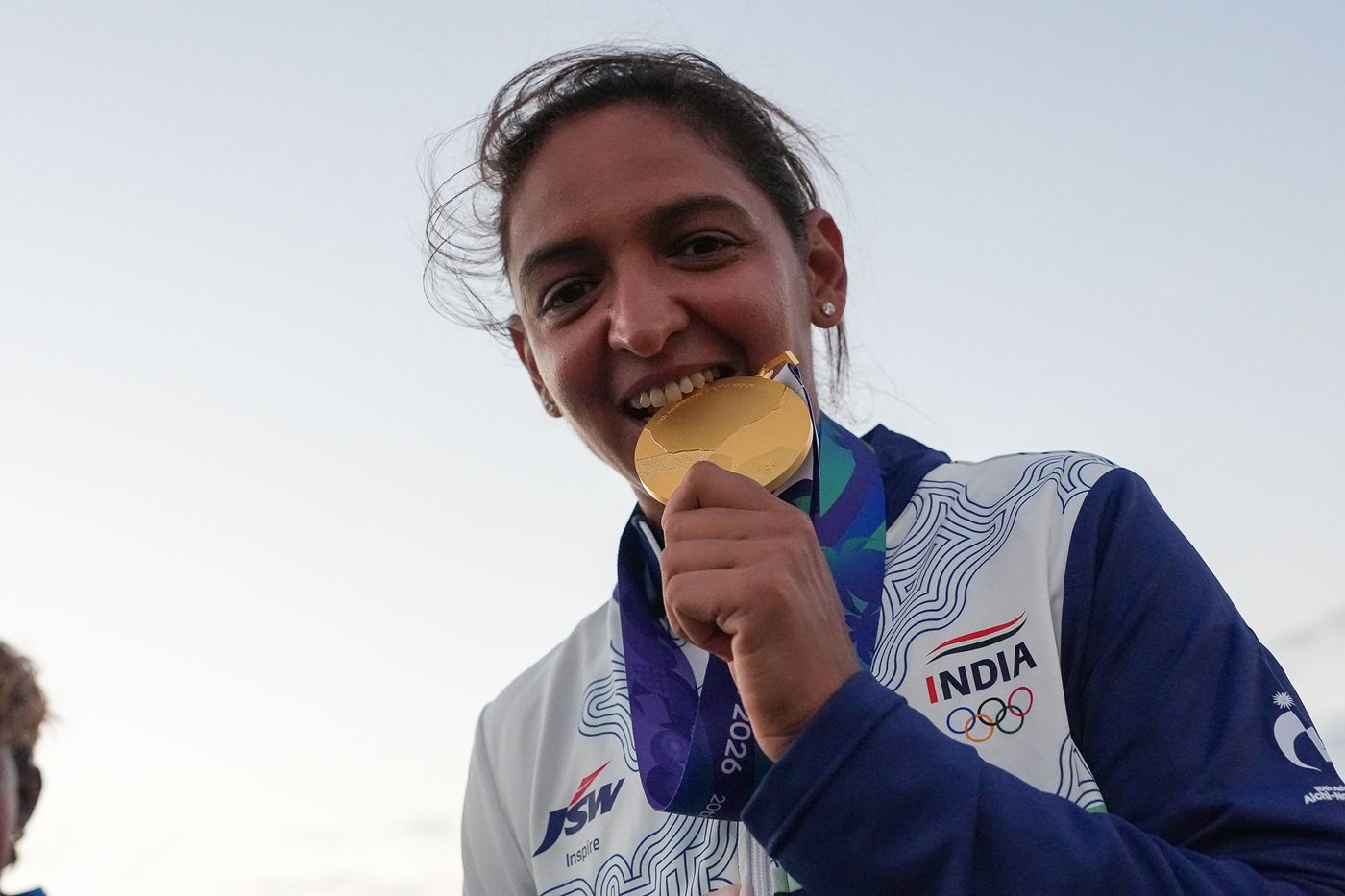
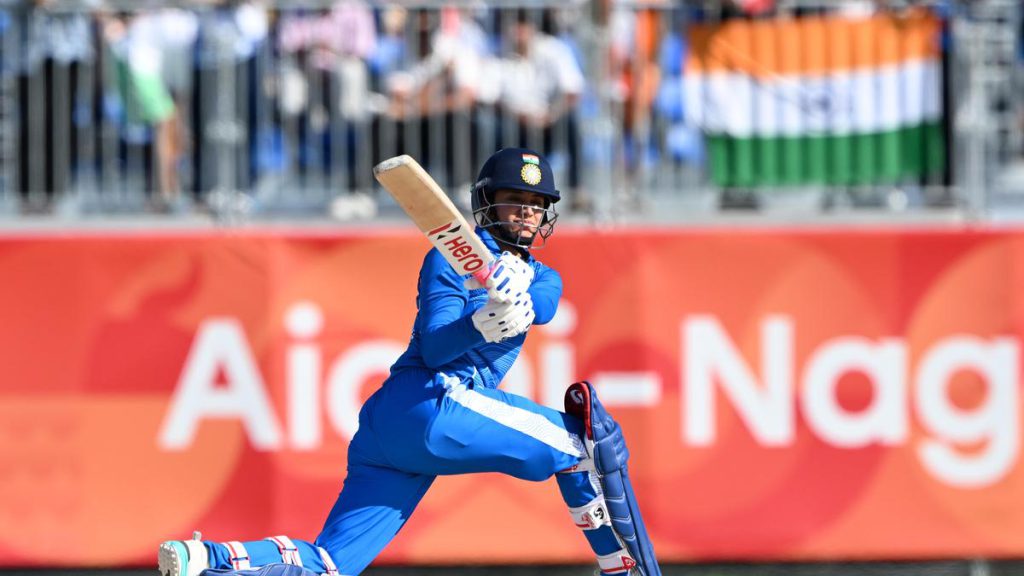
Harmanpreet Kaur’s long and defining leadership chapter in Indian women’s cricket has come to an end. In a move that marks a major transition for the side, the experienced all-rounder has stepped down as captain across all formats, with Smriti Mandhana now expected to take over the role.
The decision arrives at a time when Indian women’s cricket is in the middle of a promising phase, and the leadership handover is already shaping up to be one of the biggest talking points before the upcoming white-ball tour of Zimbabwe. Harmanpreet’s exit does not just change a captaincy title; it closes a period that delivered landmark trophies, big wins and a sharper identity for the team.
A leadership era that changed India’s women’s team
Harmanpreet’s tenure stands out for both longevity and results. She helped India win an ICC ODI World Cup title, two Asian Games gold medals and four Asia Cup titles, while also leading the team to a silver medal at the Commonwealth Games.
Those achievements placed her among the most influential captains in Indian women’s cricket history. Under her leadership, India also built a strong white-ball record, collecting 92 T20I wins and 30 ODI wins.
She later reflected on the emotional weight of the decision in a statement that underlined how much the role meant to her.
Today, I step down as captain of the Indian Women’s Cricket Team across all formats.
She added that the decision was not easy, describing it as one filled with “years of memories, emotions, sacrifices, and moments” that would stay with her forever.
Why the timing matters now
The change was discussed during a review meeting in Guwahati, which involved Harmanpreet, BCCI secretary Devajit Saikia, vice-captain Smriti Mandhana and head coach Amol Muzumdar. The meeting appears to have set the stage for a new direction, with the board now weighing whether India should continue with one all-format captain or split responsibilities by format.
For now, Mandhana is the clear frontrunner to lead the side. The left-hander has already had captaincy experience in international cricket and is widely viewed as one of the most dependable senior voices in the squad.
The transition also carries symbolic value. Harmanpreet has been central to the team’s rise for more than a decade, and the move signals not an ending, but a reshaping of leadership for the next phase.
Mandhana’s rise and the next chapter
Smriti Mandhana’s expected appointment has been welcomed as a continuation of India’s modern leadership core. Known for her calm presence and fluent batting, she has also already led the team in 18 T20 Internationals and four ODIs, making her promotion a logical step.
Her leadership record at the domestic and franchise level has also strengthened her case. She has captained Royal Challengers Bengaluru to two Women’s Premier League titles, a credential that adds weight to the belief that she is ready for a larger responsibility.
In a heartfelt message to Harmanpreet, Mandhana highlighted the respect between the two senior stars and the continuity that India will hope to maintain.
It’s been a pleasure playing with you for so many years. Ten years of your leadership have been fantastic and together we will strive to bring many more laurels for our nation.
Harmanpreet’s legacy goes beyond numbers
Although statistics and trophies tell part of the story, Harmanpreet’s influence was also about belief. She helped India compete with greater intensity, backed younger players and remained a central figure through pressure-filled phases of the team’s development.
Her statement suggested that the job often came with difficult choices, some of which were not always understood from the outside.
I have given everything I had to this team and to Indian women’s cricket.
That line captures the tone of her farewell: firm, emotional and reflective. It also explains why the handover feels significant beyond administrative routine.
What happens next for India
India’s next assignment is a white-ball series against Zimbabwe beginning on October 16, featuring three T20Is and three ODIs. The tour is expected to provide the first real glimpse of how the new leadership structure will function, and whether Mandhana officially takes charge across formats or if the board opts for split captaincy.
Either way, the transition represents a major moment for the team. Harmanpreet leaves behind a stronger, more decorated side than the one she inherited, while Mandhana steps into a role that brings both opportunity and pressure.
For Indian women’s cricket, the story now shifts from farewell to succession. And with a new era about to begin, all eyes will be on how smoothly one of the team’s most important handovers unfolds.
| Captaincy Metric | Figure |
|---|---|
| T20I wins under Harmanpreet | 92 |
| ODI wins under Harmanpreet | 30 |
| Tests led | 5 |
| ODIs led | 51 |
| T20Is led | 155 |