
Now Reading: India and New Zealand Blast Their Way Into T20I Six-Hitting History
-
01
India and New Zealand Blast Their Way Into T20I Six-Hitting History


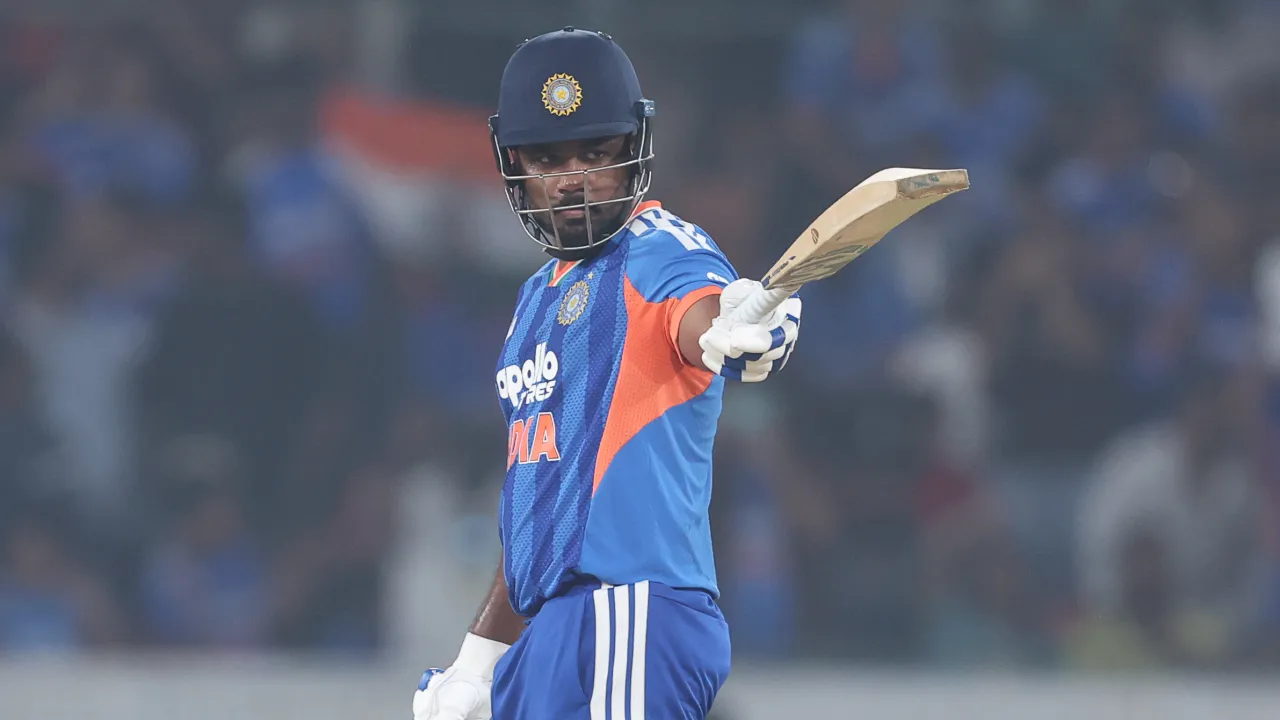
Sixes rained down all series long. India and New Zealand turned their five-match T20I contest in 2026 into a record-breaking power-hitting festival, with India smashing 142 maximums and the Black Caps replying with 117. Both totals now sit at the top of the T20I history books for a single opposition in a calendar year.
A Series That Rewrote the Record Books
The five-match series began on October 22, 2026, and the boundary-hitting barely paused from the first over. By the end, no pair of teams had ever cleared the ropes so often against each other in a single calendar year.
India struck 142 sixes against New Zealand, the most any team has hit against one opposition in T20Is in a calendar year. New Zealand’s 117 against India ranks second on that same list.
The numbers speak for themselves. Few series have delivered such constant, high-octane entertainment.
The Numbers at a Glance
| Rank | Team | Opposition | Year | Sixes |
|---|---|---|---|---|
| 1 | India | New Zealand | 2026 | 142 |
| 2 | New Zealand | India | 2026 | 117 |
| 3 | Cambodia | Indonesia | 2025 | 111 |
India’s 142 beat the old mark by 31. New Zealand’s 117 cleared it by six.
Abhishek Sharma Leads the Charge
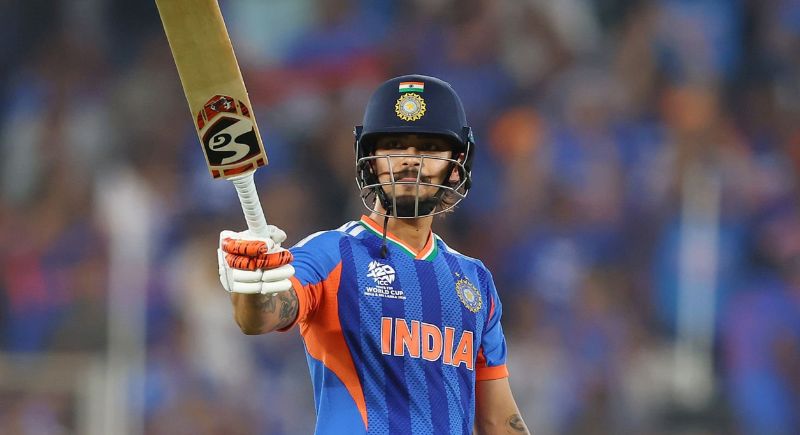
Among India’s batters, Abhishek Sharma was the standout. He led the side with 86 sixes across the calendar year, a figure that underlines how central he was to the team’s power-hitting identity.
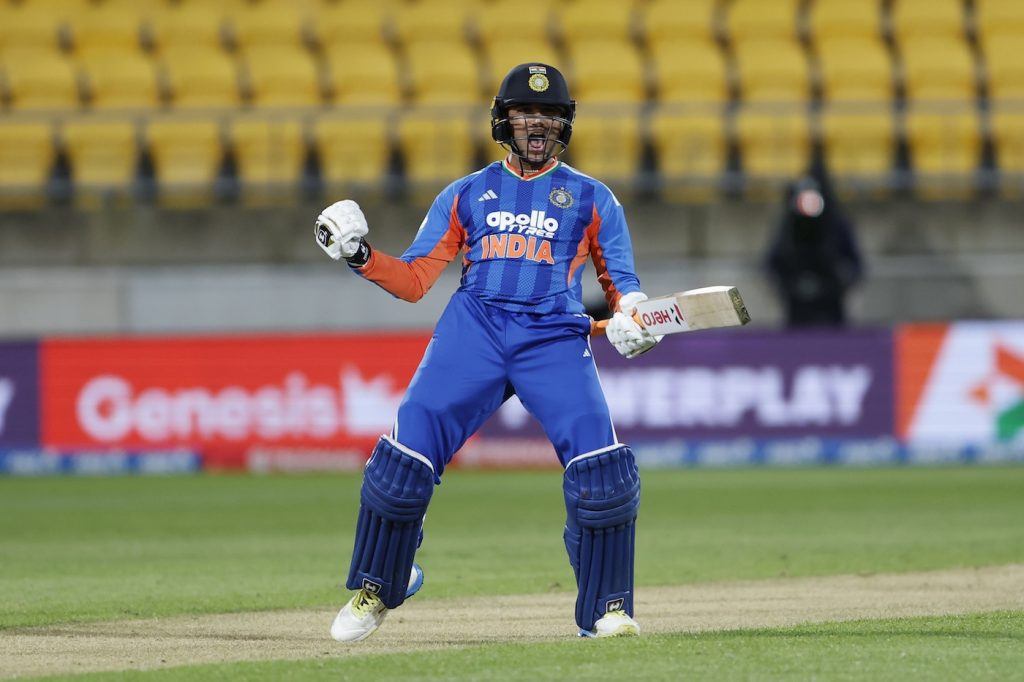
His most explosive moment came in the third T20I at the Hnry Stadium in Wellington on October 27, 2026. Sharma smashed 113 off just 38 balls, turning the chase into a spectacle.
The Wellington Blitz
That innings contained 11 sixes, placing it joint-second on the list of most sixes by an Indian batter in a single T20I innings. It was pure, sustained power from the first ball to the last.
India won the match by six wickets, with Sharma’s knock as the centrepiece of the chase. It was the kind of innings that tilts a series and sends a message to every bowling attack watching.
| Stat | Abhishek Sharma |
|---|---|
| Sixes in 2026 | 86 |
| Score in 3rd T20I | 113 off 38 balls |
| Sixes in that innings | 11 |
| Result | India won by six wickets |
The Record They Broke
Before this series, the benchmark belonged to Cambodia. They hit 111 sixes against Indonesia in 2025, a mark that had stood as the high point of two-team six-hitting in a calendar year.
Now Cambodia sit third. India and New Zealand have taken the top two spots, which shows just how far this series pushed the limits of the format.
Why the Gap Matters
India’s margin of 31 over the old record is a big one. It suggests this was not a marginal improvement but a significant leap in aggressive batting.
New Zealand’s contribution deserves credit too. Their 117 sixes came in a losing cause at times, yet they matched India’s intent and helped push the record out of reach for earlier standards.
India Cross the 400-Sixes Barrier
The series had one more landmark in store. During the fifth T20I, India became the first team in history to hit 400 sixes in T20Is within a single calendar year.
No side had reached that mark before. It arrived in the final match, fittingly against the same opponent that had helped drive the record chase all series.
A Landmark Year for India’s T20I Batting
Taken together, the two achievements tell a clear story. India broke the opposition-specific record and crossed 400 sixes in a calendar year, confirming 2026 as a landmark year for their T20I batting.
With power-hitters like Sharma setting the tone, the benchmark for fearless batting in the shortest format has been raised sharply. The question now is who, if anyone, can come close to matching it.