
Now Reading: India vs West Indies 2nd ODI: Windies Must Win to Stay Alive
-
01
India vs West Indies 2nd ODI: Windies Must Win to Stay Alive



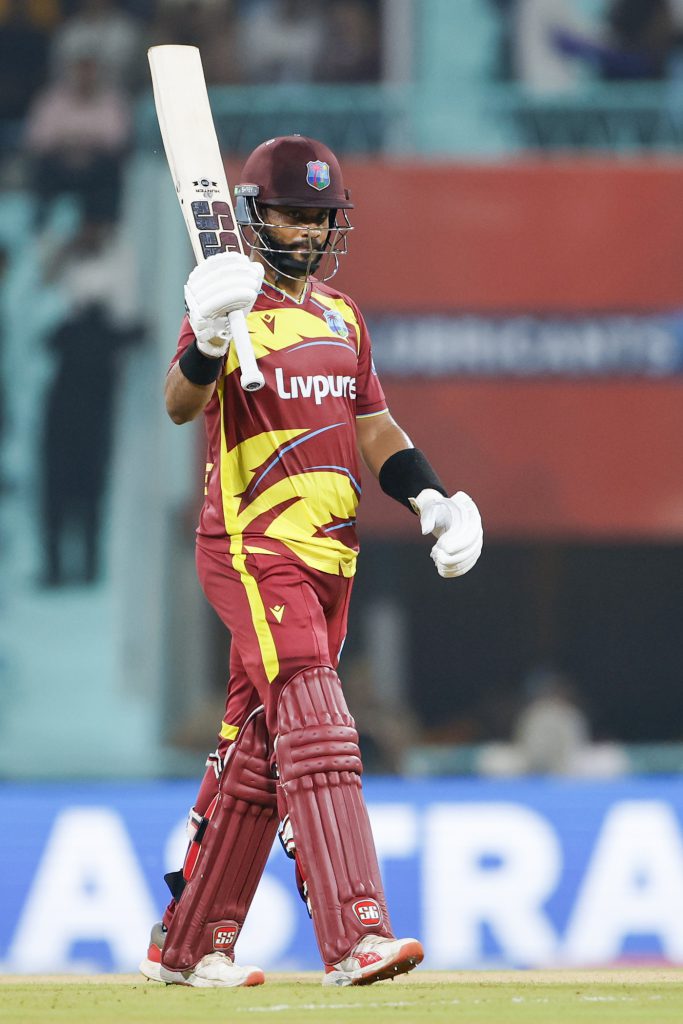
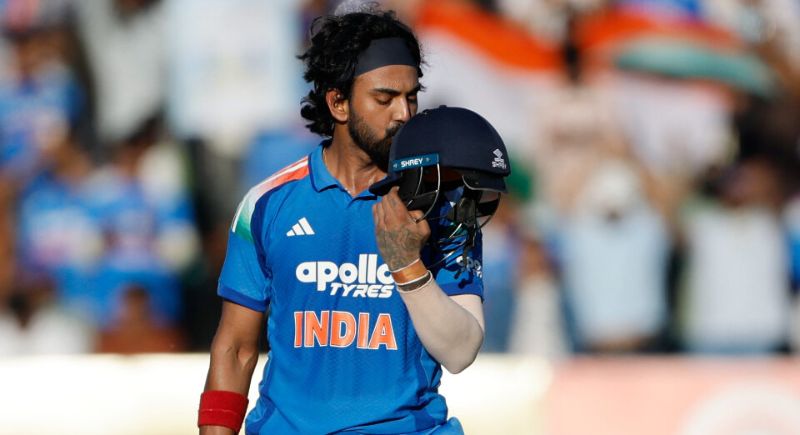
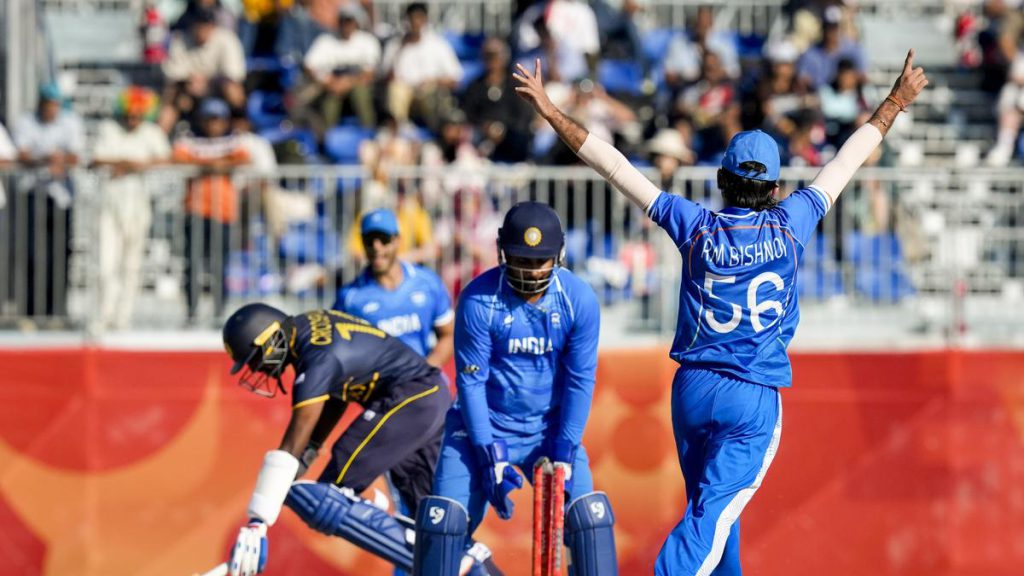
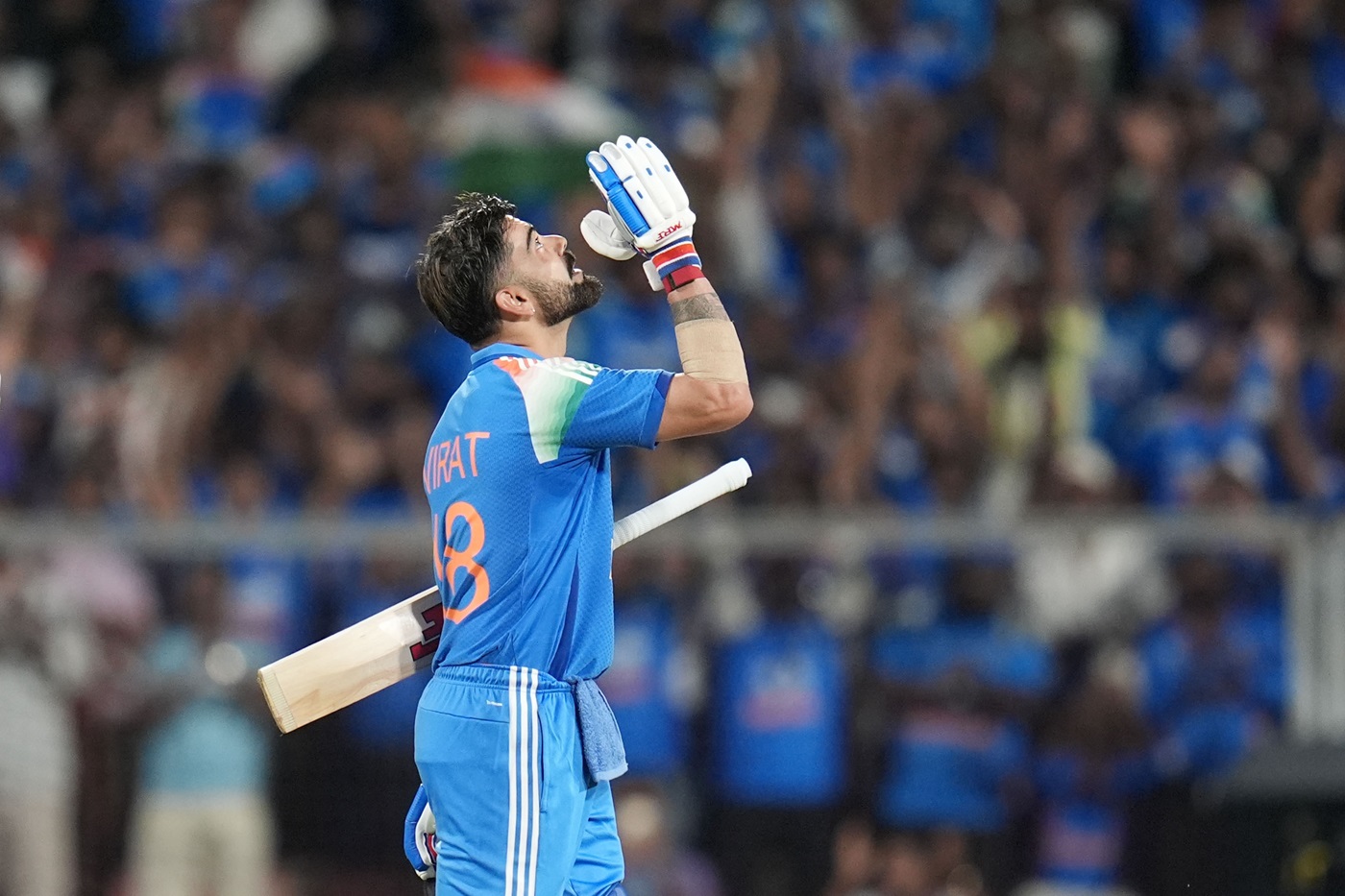
India and the West Indies head into the second ODI with the series narrative already under pressure. For the visitors, this is a must-win contest to keep their hopes alive, while India will sense a chance to build control and push the series closer to a decisive turn.
Series pressure shifts to the second ODI
The first match often sets the tone in a bilateral series, but the second game can quickly become the turning point. That is exactly the case here, with the West Indies needing a response and India looking to maintain momentum.
The stakes are simple. If the West Indies lose again, the series race becomes a steep climb. If they can strike back, the contest suddenly opens up and the final ODI gains real edge.
Why this clash matters
For India, this is about extending control without allowing the opposition back into the contest. For the West Indies, it is about surviving early pressure, playing smarter cricket, and finding enough balance in both innings to force the series into a live finale.
As one former international observer often says about ODI cricket, “Momentum in a short series can change fast, but only if a side handles the first 15 overs well.” That opening phase could again prove decisive here.
West Indies need a cleaner all-round effort
The West Indies have long been a team capable of bursts of brilliance, but consistency has been their biggest challenge. In a pressure game like this, they will need top-order discipline, tighter middle-order control, and sharper execution with the ball.
India, meanwhile, will expect their bowlers to keep pressing the opposition and their batters to convert starts into a score that creates scoreboard tension. If the hosts win the middle overs battle, they will likely dictate the rest of the match.
Key battle: middle overs control
ODIs are often won in the stretch after the powerplay, when spin, strike rotation, and wicket pressure begin to matter more than raw pace. That phase could define the match tempo, especially if the West Indies lose early wickets.
India have repeatedly shown a knack for squeezing opponents in that corridor. The West Indies will need a positive response, whether through a counterattacking partnership or a disciplined rebuild that keeps the chase or total alive.
What India will look to do
India will likely aim to stay balanced and avoid giving the visitors any easy momentum. A strong start with the bat, followed by controlled bowling, would put the hosts in a strong position to take command of the series.
The home side’s biggest advantage is clarity. They know a win here would put them in the driver’s seat, and that kind of certainty can sharpen decision-making in the field and at the crease.
Turning point moments to watch
If the West Indies begin aggressively, India’s response in the powerplay will be crucial. If India bat first and get through the opening spells with wickets in hand, the pressure on the visitors could rise rapidly.
The second ODI is not just another fixture; it is a series statement. A West Indies win keeps the contest alive and restores belief. An India win, on the other hand, could make the remaining games feel much smaller in significance.
| Match Angle | What It Means |
|---|---|
| West Indies win | Series stays alive |
| India win | Hosts take firm control |
| Middle overs | Likely decisive phase |
| Powerplay | Early pressure point |
The pressure is clear, the margin for error is smaller, and both teams know this ODI could shape the rest of the series. The West Indies must find a way to fight back, while India will try to finish the job with authority.