Now Reading: India’s Coaching Staff Set to Split in New Zealand: Gambhir Stays With ODIs, Kotak Heads to Tests
-
01
India’s Coaching Staff Set to Split in New Zealand: Gambhir Stays With ODIs, Kotak Heads to Tests

India’s Coaching Staff Set to Split in New Zealand: Gambhir Stays With ODIs, Kotak Heads to Tests

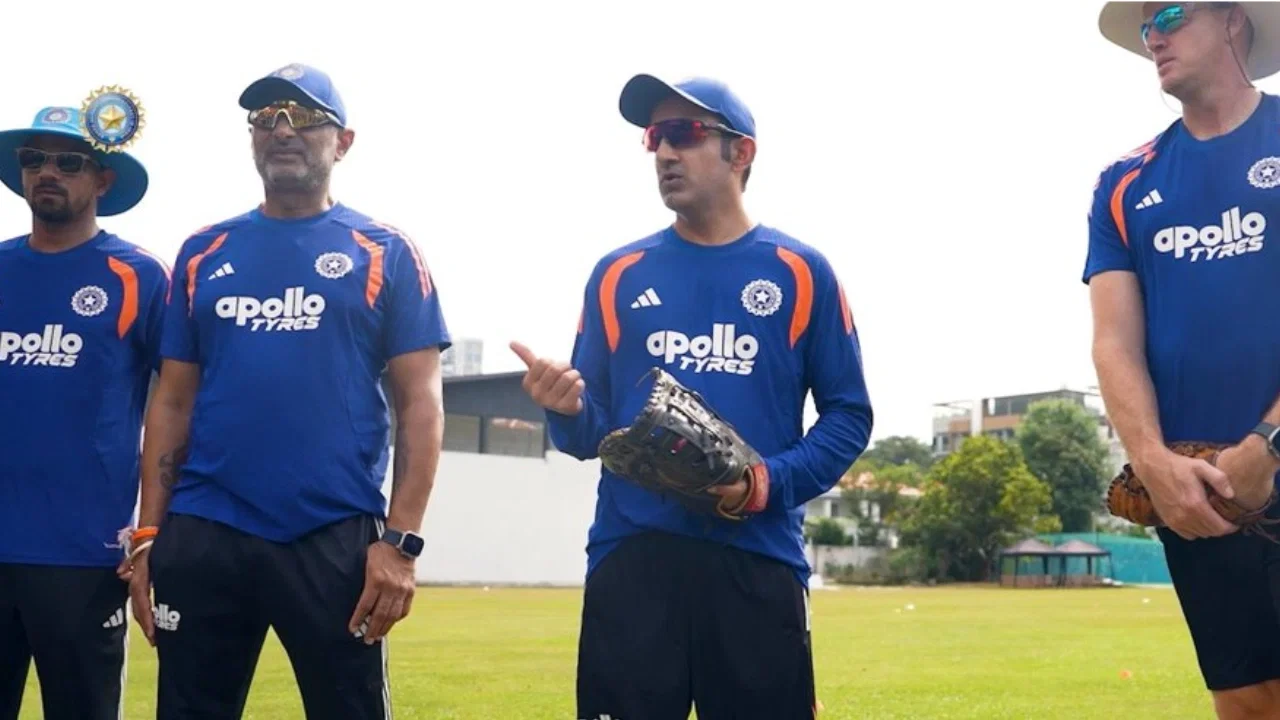
India’s tour of New Zealand is about to get a split-screen feel. After the third ODI in Hamilton, the coaching staff will divide into two groups, one chasing white-ball momentum and the other getting the Test squad ready. It is a bold logistical call with big long-term implications.
How India’s Coaching Staff Will Split in New Zealand
Once the third ODI in Hamilton is done, the touring party’s support group will go separate ways. Head coach Gautam Gambhir and spin-bowling coach Sairaj Bahutule will head to Mount Maunganui to oversee the final two ODIs of the series.
Batting coach Sitanshu Kotak and fast-bowling coach Morne Morkel will take a different route. They will travel to Wellington to begin Test series preparations with the red-ball group.
It is a neat answer to a tricky scheduling puzzle. India have two formats to serve on one tour, and the split lets both camps get dedicated attention at the same time.
Who Is Going Where
| Coach | Role | Destination | Focus |
|---|---|---|---|
| Gautam Gambhir | Head coach | Mount Maunganui | Final two ODIs |
| Sairaj Bahutule | Spin-bowling coach | Mount Maunganui | Final two ODIs |
| Sitanshu Kotak | Batting coach | Wellington | Test preparation |
| Morne Morkel | Fast-bowling coach | Wellington | Test preparation |
Why Gambhir Is Staying With the ODI Squad
The thinking is tied to the bigger calendar. The 2027 one-day World Cup is on the horizon, and India clearly want continuity in their white-ball setup. Gambhir staying with the ODI group fits that plan.
Kotak explained the reasoning while speaking to the media in Hamilton.
“[The plan] can still change, but as far as I know, obviously Gautam will have to be here – the one-day World Cup is coming [in 2027], so he will be staying here, and probably Sairaj will stay here,” Kotak said.
That caveat matters. Nothing is carved in stone, and the final arrangement could still be adjusted.
A Flexible Plan, Not a Final One
Kotak was open about who would be where, while making it clear the arrangement is the current plan rather than a locked-in decision. His own role was spelled out simply.
“Me, Morne and some other staff will go to Wellington,” Kotak said.
The mention of “other staff” suggests the Test group will have solid support around it. That should help the red-ball squad settle in early.
What the Wellington Group Is Set to Achieve
The Test camp is the real headline of this split. By sending a batting coach and a fast-bowling coach ahead, India are giving their red-ball players a head start on the next stage of the tour.
Kotak and Morkel bring two key skill sets for Test cricket in New Zealand. Batting technique and pace-bowling plans are often the difference-makers in these conditions.
It also means the Test players are not waiting around for the one-day series to finish. Preparation can begin in parallel, which is a smart use of time on a busy tour.
Two Camps, One Tour
Running two groups across different venues is never simple. Communication, planning and clear roles become vital, especially when players and staff may move between squads.
Still, the structure shows a clear intent. India want to compete in both formats rather than treat one as an afterthought.
The Bigger Picture for India
This is more than a travel arrangement. It reflects how India are balancing short-term tour goals with long-term targets, from the Test series ahead to the 2027 World Cup.
The decision also signals respect for the traditional format. Dedicating senior coaches to Test preparation shows that the red-ball challenge in New Zealand is being taken seriously.
What to Watch Next
Keep an eye on whether the plan holds. Kotak has already said it can change, and Gambhir has the final say.
For now, the roadmap is clear: Gambhir and Bahutule guide the ODI side at Mount Maunganui, while Kotak and Morkel lay the groundwork for the Test series in Wellington. Two missions, one tour, and plenty to play for.