
Now Reading: Jaiswal vs. Fernando Confrontation Sparks Outrage
-
01
Jaiswal vs. Fernando Confrontation Sparks Outrage


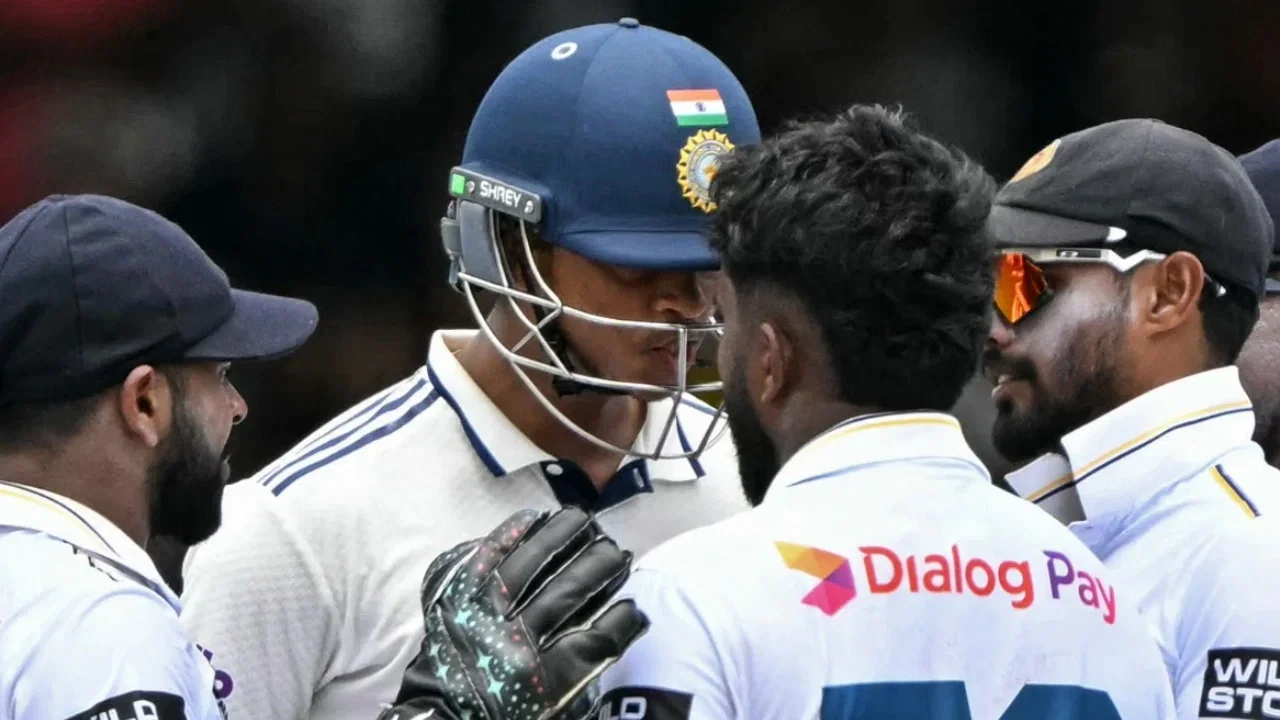
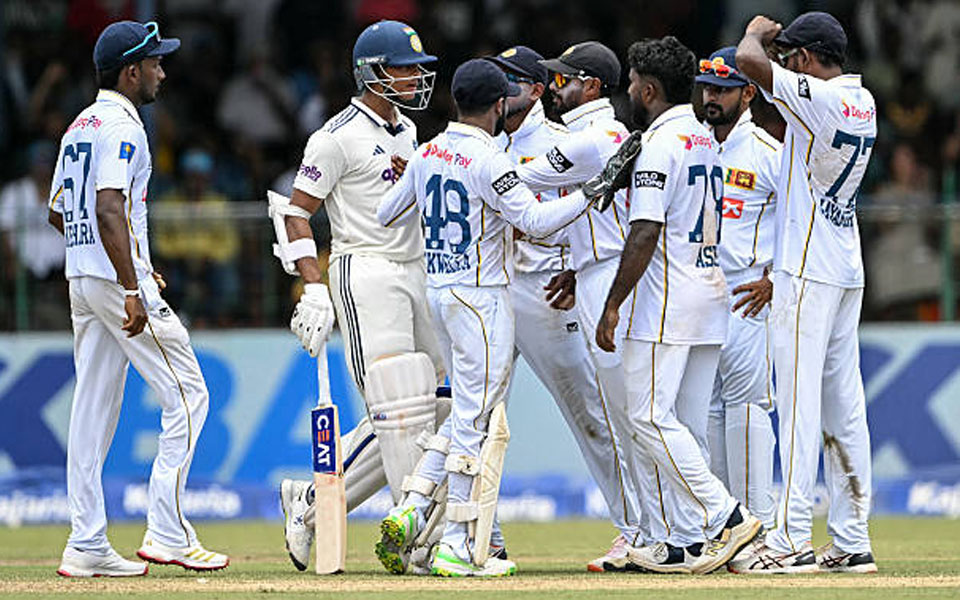
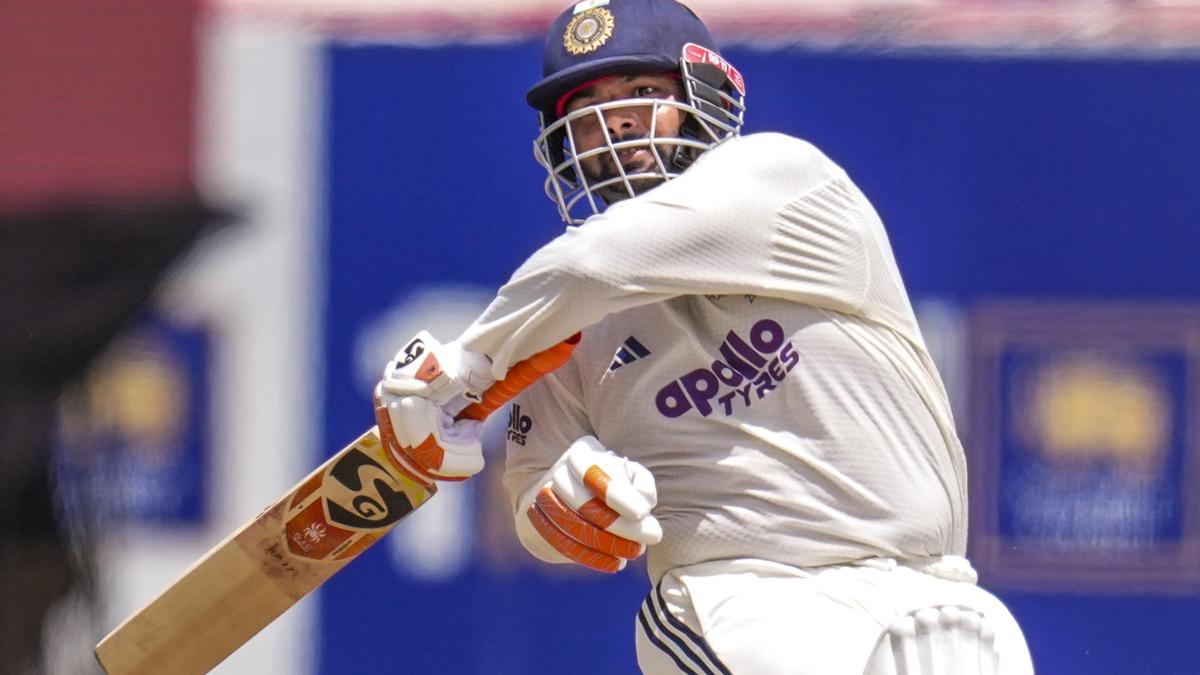
The recent confrontation between India’s Yashasvi Jaiswal and Sri Lanka’s Asitha Fernando during the opening day of the second Test in Colombo has stirred quite the controversy. As Jaiswal was dismissed for 45 off 53 balls, a fierce exchange erupted, drawing the attention of cricket fans and analysts alike.
Details of the Incident
The moment unfolded when Fernando, bowling from round the wicket, delivered a ball that sharply angled inwards towards Jaiswal. In a bid to score through the offside, he got a thick inside edge that led to his stumps being rattled. After the dismissal, Jaiswal and Fernando’s tempers flared, leading to a melee on the field.
Eyewitnesses describe how Jaiswal, still wearing his helmet, made contact with Fernando’s head in what appeared more like a shove than an outright headbutt. Both players had to be separated, with captain Dhananjaya de Silva intervening. Devdutt Padikkal attempted to pull Jaiswal away, but the intensity of the moment remained palpable.
ICC’s Response and Players’ Reactions
In light of the altercation, the International Cricket Council (ICC) imposed sanctions on both players, fining them 25% of their match fees and adding one demerit point each to their disciplinary records. In a swift move, Jaiswal addressed the media, defending his actions with a remark that no one truly understood the words exchanged on the field, stating, “India knows how to give back.”
Expert Opinions on the Encounter
Cricketing veterans have weighed in on the situation, emphasizing the need for emotional control within competitive sports. Cheteshwar Pujara, on the Sony Sports Network, described the incident as not ideal, stating that players must manage their emotions. He acknowledged that experiencing disappointment is part of the game, but crossing that line into physical confrontation is unacceptable.
Former Indian cricketer WV Raman expressed that Jaiswal’s frustration was palpable, especially due to his inability to convert promising starts into bigger scores. Raman stated, “There’s always a little bit of exchange of words on a cricket field. It happens, and especially after a wicket falls, but restraint is so important.” He acknowledged that players must tread carefully and not let emotions spiral out of control.
Concerns About Player Conduct
Saba Karim, a former national selector, criticized the actions of both players, describing them as childish and unnecessary. He reminded them—and by extension the players on the field—that cricket is ultimately not a contact sport. “You’re not supposed to headbutt each other,” Karim remarked. He highlighted the importance of being role models for younger audiences, stating that players must behave as ambassadors of the game.
An Evolving Narrative in the Game
As the cricket community continues to digest this incident, the broader implications of emotional conduct in high-stakes matches are coming to light. Will this alter the way young players perceive aggression and confrontation on the field? Could we see stricter regulations in place to prohibit such behaviors?
Time will tell how the ICC responds in the future and what this means for cricket’s brand as a sports discipline characterized by not just athleticism, but also decorum.