
Now Reading: Japan Nearly Stuns India in Sano T20I Thriller
-
01
Japan Nearly Stuns India in Sano T20I Thriller



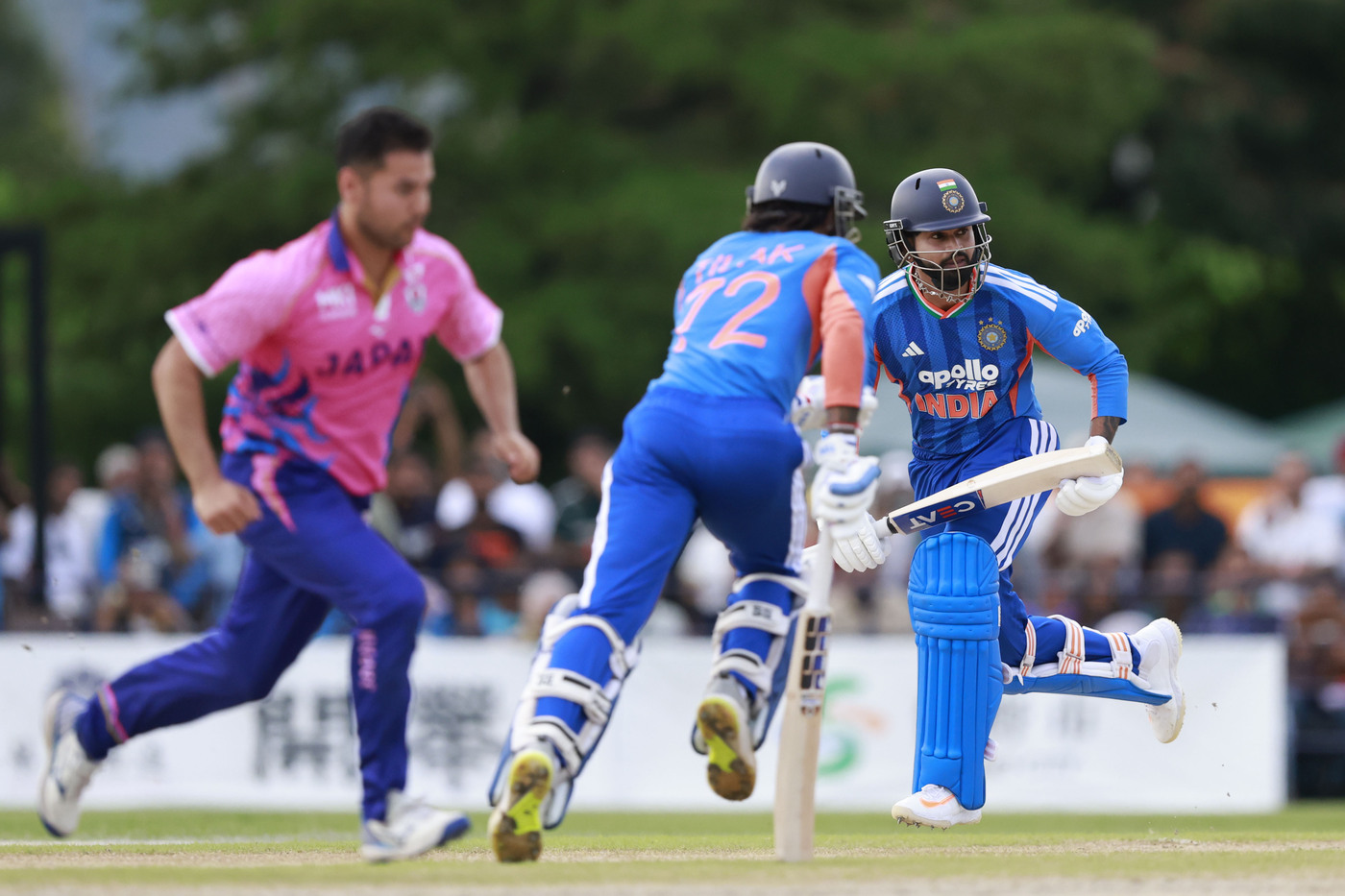
India nearly walked into one of cricket’s most stunning upsets in Sano, where Japan pushed the global powerhouse to the brink in a tense, low-scoring T20 International. On a slow, turning pitch with a damp outfield and only four boundaries in the match, India survived by the narrowest of margins and avoided a result that would have echoed far beyond the scorecard.
A match that shifted in the unlikeliest way
This was not a warm-up, not a rain-hit exhibition, and not a throwaway contest. It was a full T20I, played on Japanese soil, with history within touching distance. For much of the evening, it looked less like a mismatch and more like a test of nerve, adaptability, and composure under pressure.
India’s batting unit, usually associated with power and control, looked unusually vulnerable. The conditions exposed a familiar issue: when the ball grips, turns, and refuses to come on, the margin for error becomes dangerously thin. Japan’s disciplined spin attack made sure India never settled.
India’s batting collapse under pressure
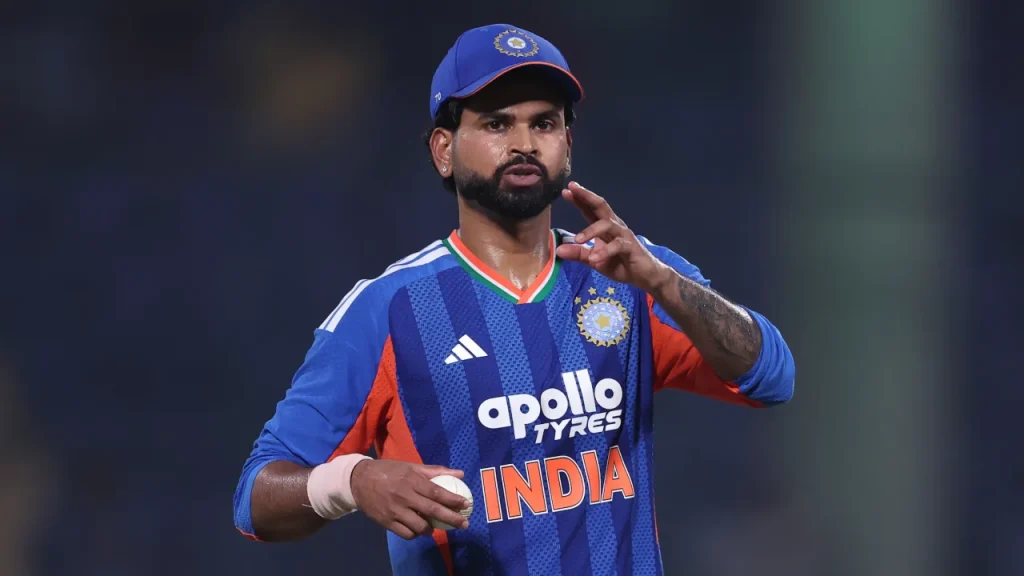
The top order unravelled quickly. Abhishek Sharma, Sanju Samson, and Ishan Kishan all failed to make an impact, leaving India in trouble almost immediately. Shreyas Iyer’s measured 16 off 12 balls was the only meaningful resistance in a curtailed innings that finished at 32 for four from five overs.
That total would have looked modest anywhere. In these conditions, it felt even more fragile. The pitch was slow and gripping, and the outfield, softened by rain the previous day, made timing and placement even harder. Japan’s bowlers understood the assignment and executed it brilliantly.
“On a surface like this, shot selection matters more than reputation,” one observer noted during the contest. “Japan forced India to play every ball with uncertainty.”
Japan’s spinners turn the game on its head
The most striking feature of the contest was the complete dominance of spin. All ten overs in the match were delivered by wrist or finger spin, a rare tactical picture in any T20I and one that suited Japan perfectly. The visitors, used to overwhelming opponents on flat tracks, suddenly found themselves negotiating drift, turn, and unpredictability on every delivery.
Japan’s effort was not flashy, but it was relentless. They did not allow India the freedom that usually comes with big-hitting depth. Every over felt like a mini-breakthrough, and every dot ball increased the tension around the ground.
| Key Match Snapshot | Figure |
|---|---|
| India’s score | 32/4 in 5 overs |
| Boundaries in match | 4 |
| Type of bowling used | All spin |
| Japan’s chase target | Small but tense |
The final over that changed the mood in Sano
Japan still had a chance to produce a result that would have been remembered for years. Needing eight runs from the final over, they forced India to defend a total that had looked safe only because of the conditions. Axar Patel took the ball carrying the weight of the moment, and for a brief period, even India’s grip on the game seemed to loosen.
The over became a talking point not only for the pressure, but for the wide calls that followed. One decision was reversed after consultation, adding another layer of drama to an already extraordinary finish. The interruption did not just alter the equation; it sharpened the sense that this match was balancing on a knife-edge.
Axar finished with figures of 2-0-7-0, numbers that may not leap off the page but carried enormous value in context. Defending eight in the final over with two wickets down and a crowd sensing a possible historic moment required calm, precision, and nerves of steel.
Why this mattered beyond one result
For Japan, this was far more than a near-miss. It was proof that associate nations can challenge established powers when conditions are right and discipline holds. A win would have been transformative, not just for the team, but for the visibility of cricket in East Asia.
For India, the scare serves as an important warning. The team still relies heavily on batting lineups that thrive on pace and predictable bounce. On slower, turning surfaces, that approach can look fragile very quickly. With the 2028 T20 World Cup on the horizon, adaptability away from home will be just as important as firepower at home.
As one cricket analyst put it, “This was the kind of night that should make India pause. Talent alone is not enough if the conditions demand technique and patience.” That message will likely resonate in selection meetings as much as it does among fans.
A warning India cannot ignore
In the end, India escaped with the result they needed, but not with the comfort they expected. The performance exposed technical cracks, highlighted the value of spin on difficult surfaces, and reminded everyone that even the sport’s biggest names can be dragged into chaos by a well-drilled opponent.
Japan may not have completed the upset, but they sent a message that will linger. They tested a giant, unsettled the crowd, and came closer than almost anyone imagined. India, meanwhile, leave Sano with victory, but also with questions that cannot be dismissed.