

Now Reading: Keeping It Simple Helped India U-19 Cricketer Yashbardhan
-
01
Keeping It Simple Helped India U-19 Cricketer Yashbardhan

Keeping It Simple Helped India U-19 Cricketer Yashbardhan

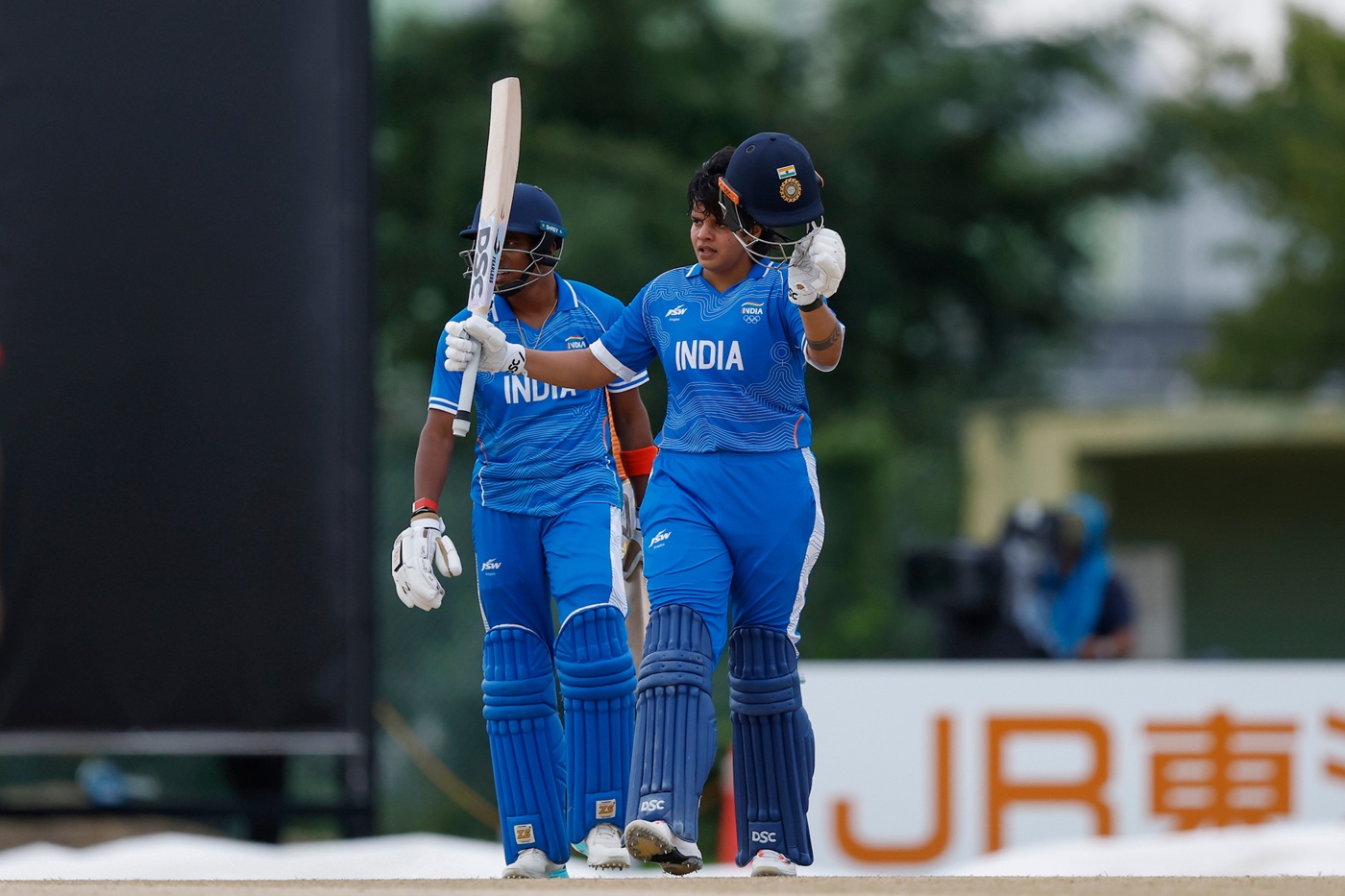
Sometimes the biggest difference in youth cricket is not a flashy shot or a headline-grabbing spell. It is a clear head, a simple plan, and the discipline to stick to it. That is the story around India U-19 cricketer Yashbardhan, whose straightforward approach is being seen as one of his most valuable strengths.
At a level where young players often try too hard to impress, simplicity can become a quiet weapon. Yashbardhan’s method appears to be built on doing the basics well, trusting his game, and avoiding unnecessary complications. In modern cricket, that kind of clarity can be just as powerful as flair.
A simple approach in a high-pressure environment
Youth cricket is full of talent, but talent alone rarely guarantees consistency. Players are constantly being tested by pace, pressure, expectation, and the need to adapt quickly. In that environment, keeping things simple can help a player stay grounded.
Yashbardhan’s approach reflects that idea. Instead of forcing moments, he seems focused on playing within his strengths. That can mean selecting the right shot, respecting the conditions, and reading the game without overthinking it.
For a player in the India U-19 setup, such a mindset is especially important. This is the stage where careers begin to take shape, and habits formed now often travel with players into higher levels of the game.
Why simplicity often works
Cricket can punish indecision. One rushed move, one overcomplicated idea, or one attempt to do too much can change an innings or a match. Simplicity, by contrast, tends to create rhythm.
That rhythm is valuable for young cricketers because it reduces mental clutter. A player who understands his role clearly is often better placed to handle pressure and make stronger decisions when the game tightens.
As one coach often says in youth cricket, “The players who last are usually the ones who know what not to do.” That kind of insight fits neatly with the idea of keeping things uncomplicated.
What this says about his development
Yashbardhan’s reputation for a simple, effective style suggests maturity beyond his years. It is one thing to have skills; it is another to use them in a way that supports the team and keeps personal judgment sharp under pressure.
That maturity can be particularly valuable in the U-19 environment, where players are judged not only by talent but also by temperament. Selectors and coaches often look for cricketers who can adapt, learn quickly, and contribute without needing everything to be built around them.
In that sense, simplicity is not a limitation. It can be a sign of understanding. It suggests that the player knows the value of timing, patience, and decision-making rather than chasing constant impact.
The bigger picture for India U-19 cricket
India’s youth cricket structure has long been a pipeline for future stars. From the U-19 level, many players move into domestic cricket and, eventually, onto larger stages. That progression depends on more than raw ability.
Players who can handle the mental side of the game often stand out over the long run. A simple style can help a batter stay composed during a chase or help a bowler avoid drifting away from a planned line and length. These are small details, but they matter deeply in competitive cricket.
If Yashbardhan continues with this approach, he could build a profile as a reliable and thoughtful young cricketer. Reliability is often underrated at the junior level, but it is one of the strongest signs of future success.
Why fans and scouts notice this trait
Supporters usually admire big performances, but coaches and talent scouts often pay close attention to repeatable habits. The ability to keep things simple can reveal a player’s control over his game, and control is often what separates promise from progress.
It is also easier for a player to adjust and improve when the foundation is clear. Once the basics are stable, more advanced skills can be layered in without disrupting confidence.
That is why a simple approach can sometimes be the most sophisticated one. It allows growth without chaos.
Confidence without complication
For Yashbardhan, the current focus seems to be on letting the game come to him rather than forcing his way through it. That kind of calmness can be rare in competitive youth cricket, where the desire to make an impression can become overwhelming.
There is a quiet strength in not overcomplicating things. It suggests trust in preparation, belief in ability, and awareness of what the team needs. Those are all traits that can help a young player move forward steadily.
As India U-19 cricket continues to produce new names and new storylines, Yashbardhan’s simple method offers a reminder that growth does not always need to be loud. Sometimes, the cleanest path is the strongest one.
“At this stage, clarity matters as much as flair. A simple game plan can help a young player stay consistent and confident,” a youth cricket observer noted.
For now, Yashbardhan’s approach is less about headlines and more about habit. And in cricket, good habits are often what turn potential into performance.